Meal Prep
Cost-Effectiveness
Nutrition
Cooking Tips
Healthy Eating
Meal Preparation
Cooking

Healthy One Pot Pasta Recipes for Weight Loss

Table of contents

  • One-pot pasta dishes save time and simplify meal prep.
  • They promote nutritional balance with healthy ingredients.
  • Cost-effective; meal planning can save grocery expenses.
  • Vegetable-packed pasta enhances flavor and nutritional value.
  • Whole wheat pasta offers increased fiber over regular pasta.
  • Batch cooking saves time and helps with meal prep.
  • Lentils provide protein and fiber for weight management.
  • Seasonal vegetables boost flavor and nutritional profile.
  • Chicken and broccoli add lean protein and vitamins.
  • Meal prepping supports healthy eating habits throughout the week.
  • Customize pasta dishes to suit personal tastes and dietary needs.
  • Use whole grain pasta for better health benefits.
  • Add spices for flavor without extra calories.

Benefits of One-Pot Pasta Dishes for Weight Loss

Time Efficiency and Meal Prep Benefits

One-pot pasta dishes significantly reduce cooking time, making them an excellent choice for busy individuals. Preparing a healthy meal shouldn't take hours, and these dishes can usually be ready in 30 minutes or less. This appeals especially to those who juggle work, family, and other commitments.

Additionally, one-pot meals are an ideal solution for meal prepping. By making a large batch at once, you can portion out servings for multiple days. Research indicates that meal prepping can help control portions and prevent impulsive eating, ultimately supporting weight loss journeys.

With the convenience of a single pot, cleanup becomes a breeze. Instead of dealing with piles of pots and pans, you can focus on enjoying your meal. This simplicity is a significant advantage for maintaining a consistent cooking routine, essential for health and weight management.

Nutritional Control and Balanced Ingredients

One-pot pasta dishes provide a unique opportunity to include a variety of nutrients in a single meal. You can easily add proteins like chicken, beans, or tofu, alongside plenty of vegetables. Studies have shown that increasing vegetable intake is directly linked to weight loss and overall health improvement.

By controlling the ingredients, you can limit unhealthy fats and sugars, which often sneak into takeout meals. This allows for a more balanced macronutrient profile. For instance, you can swap traditional pasta for whole grain or legume-based options to increase fiber content, which aids in digestion and enhances satiety.

Cost-Effectiveness in Grocery Shopping

Another essential benefit of one-pot pasta dishes is their cost-effectiveness. Buying ingredients in bulk and utilizing seasonal produce can lead to substantial savings. In fact, research from the USDA shows that meal planning can save families up to $1,500 annually on groceries. This aspect makes it not only a practical choice but also an economic one.

Moreover, utilizing pantry staples such as pasta, canned tomatoes, and dried herbs reduces the need for frequent grocery trips. This approach not only helps cut costs but also minimizes food waste, contributing to a more sustainable lifestyle.

In conclusion, one-pot pasta dishes offer diverse benefits, from saving time in the kitchen to promoting nutritional balance and reducing grocery expenses. Embracing these meals can play a significant role in achieving weight loss goals without compromising flavor or satisfaction.

Vegetable-Packed One-Pot Pasta
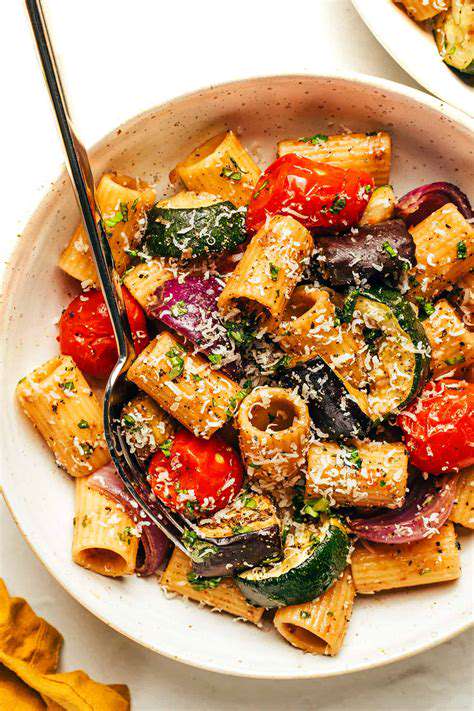
Vegetable-PackedOne-PotPasta

Benefits of Incorporating Vegetables into Your Pasta Dish

Including a variety of vegetables in your one-pot pasta not only enhances its flavor but also boosts its nutritional value. Vegetables such as spinach, bell peppers, and zucchini are rich in vitamins A and C, as well as antioxidants that contribute to overall health. Studies show that a diet high in vegetables can reduce the risk of chronic diseases and support weight loss efforts. This makes veggie-packed pasta an excellent option for those looking to shed some pounds.

Furthermore, fiber-rich vegetables improve digestion and keep you feeling full for longer, which can help control cravings. This can be particularly beneficial for those on a weight-loss journey, as it minimizes unhealthy snacking between meals.

Simple One-Pot Pasta Recipe with Seasonal Veggies

For a quick and easy one-pot pasta dish, start with a base of whole wheat pasta. Choose vegetables that are in season for the best flavor and nutritional profile. For example, diced tomatoes, asparagus, and peas work wonderfully together in this recipe. Begin by sautéing garlic in olive oil, then add your chosen veggies and pasta, along with enough vegetable broth to cook everything evenly.

As the pasta cooks, the starch released thickens the broth, creating a creamy sauce without heavy dairy. Incorporating herbs like basil or thyme enhances the taste and adds aromatic elements that make the dish even more appealing. Top it off with a sprinkle of parmesan cheese for added flavor without going overboard on calories!

  • Whole wheat pasta offers more fiber than regular pasta.
  • Seasonal vegetables are fresher and often cheaper.
  • Using herbs can elevate the dish without excess calories.

Tips for Preparing Healthy One-Pot Pasta

Preparation is key to making an unforgettable Healthy One-Pot Pasta dish. First, always read the cooking instructions for the pasta you choose, as different types have varying cooking times. It can make or break your meal if the pasta is overcooked or undercooked.

Additionally, do not shy away from experimenting with spices and flavors; cayenne pepper, lemon zest, or even a hint of nutmeg can bring a surprising twist to your dish. Your one-pot pasta can also be customized based on dietary restrictions or personal preferences, ensuring that everyone at the table finds something they enjoy.

Finally, batch cooking can save time during busy weeknights. Make a larger portion and enjoy the leftovers the next day for lunch or dinner. This not only makes meal prep simpler but also ensures that you're consistently eating healthy, home-cooked meals throughout the week.

Lentil and Tomato One-Pot Pasta

Ingredients Breakdown

The key components of the Lentil and Tomato One-Pot Pasta are rich in nutrients and provide a well-rounded meal. Lentils are an excellent source of protein and fiber, making them a critical addition for weight loss diets. They help keep you full longer and regulate appetite. Tomatoes, on the other hand, provide essential vitamins like Vitamin C and are packed with antioxidants such as lycopene, which can promote heart health and contribute to lower cholesterol levels.

Incorporating whole grain pasta into this dish significantly increases fiber content over traditional pasta, enhancing its health profile. Whole grains help in maintaining stable blood sugar levels, making this recipe not only healthier but also beneficial for prolonged energy, especially for those keeping an eye on their weight.

Cooking Techniques

Cooking this one-pot meal is straightforward and emphasizes efficiency without sacrificing flavor. Start by sautéing garlic and onions until fragrant; this step builds a robust flavor base that will permeate the dish. Following this, adding the lentils and letting them absorb the ample tomato-based liquid is essential. This technique not only cooks the lentils thoroughly but also ensures that they flavor the pasta and overall dish effectively.

Simmering all ingredients together allows the flavors to meld perfectly. A covered pot is ideal to maintain moisture and enhance the infusion of tastes while ensuring the pasta does not overcook. A consistent stir throughout the cooking process prevents sticking, ensuring a delightful texture.

Nutritional Benefits

According to the USDA, a serving of lentils (1 cup) has about 18 grams of protein and less than 1 gram of fat, making them an incredibly healthy choice for weight management. This pasta dish packs about 12 grams of dietary fiber per serving, which is about 30% of the recommended daily intake. This fiber content promotes digestive health and can help lower blood cholesterol levels, which is an essential factor in heart health.

Moreover, the combination of tomatoes and lentils presents a wealth of phytonutrients that work to reduce inflammation. Such benefits are invaluable, especially for those looking to lose weight, as they support overall wellness and recovery from exercise.

Flavor Enhancements

One crucial aspect of any one-pot meal is its flavor depth. To elevate this lentil pasta dish, consider adding spices like cumin or smoked paprika. These spices not only enhance the taste but also come loaded with health benefits. Cumin, for instance, has been linked to improved digestion and metabolism, which can be advantageous when pursued alongside weight loss efforts.

Additionally, fresh herbs such as basil or parsley added towards the end of cooking provide a burst of freshness that lightens the dish. Also, a drizzle of olive oil or a splash of balsamic vinegar just before serving can add a sophisticated touch and enhance both the flavor and nutritional value.

Meal Prep and Storage Tips

Meal prepping this Lentil and Tomato One-Pot Pasta is both practical and advantageous. After making a batch, portions can easily be stored in airtight containers in the refrigerator for up to five days. This means you can enjoy a nutritious meal without the hassle of daily cooking, making it a convenient option for busy schedules.

For longer storage, this dish freezes exceptionally well. Portion it out and place them in freezer-safe containers, ensuring you remove as much air as possible to prevent freezer burn. Thaw in the fridge overnight the day prior to serving, and simply reheat in a pot or microwave for a warm, satisfying meal that's ready in minutes.

Customization Ideas

Customization is one of the great benefits of making pasta dishes. Feel free to add in seasonal vegetables; spinach, zucchini, or bell peppers can blend beautifully into this recipe. Not only do they provide additional nutrients, but they also enhance the texture and visual appeal of the dish.

If you're seeking a non-vegetarian variation, adding grilled chicken or shrimp can boost the protein content even further while keeping the meal satisfying. Moreover, experimenting with different cheese toppings like feta or Parmesan can cater to various dietary preferences while keeping the dish's flavors intriguing.

Chicken and Broccoli One-Pot Pasta

Ingredients for a Balanced Dish

To create an ideal Chicken and Broccoli One-Pot Pasta, you first need to focus on the nutritional content of your ingredients. Chicken is a fantastic source of lean protein, crucial for muscle repair and weight maintenance. Opt for skinless chicken breast to keep the calorie count low while maximizing protein intake. This not only supports weight loss but also aids in achieving a balanced diet.

Broccoli not only adds vibrant color to your dish, but it is also a powerhouse of vitamins C and K, along with dietary fiber, which enhances digestion. Adding whole grain pasta boosts the fiber profile further, making the dish more filling without piling on excess calories. Combine these components, and you have a meal that caters to both taste and health.

Don't forget to include diverse seasonings, such as garlic and olive oil, which not only enhance flavor profiles but also contribute healthy fats and antioxidants. A sprinkle of parmesan can provide that final touch of flavor without overindulging in calories.

Cooking Method Simplified

The one-pot method is incredibly efficient and minimizes cleanup time, which is a major plus for busy individuals. Begin by sautéing the garlic in olive oil until fragrant; this process releases essential oils, enhancing the overall flavor. Then, add diced chicken and cook until it's golden brown, ensuring that the protein is cooked through while remaining tender.

Once the chicken is properly cooked, toss in the broccoli florets and whole grain pasta. Pour in enough low-sodium chicken broth to cover the ingredients, and let it simmer. This method infuses the pasta with flavor as it cooks, soaking up the broth and spices. It's a straightforward approach that yields a highly flavorful dish.

Nutritional Benefits

This Chicken and Broccoli One-Pot Pasta is a balance of macronutrients essential for anyone looking to maintain or lose weight efficiently. Each serving typically contains around 350 calories, making it a satisfying yet low-calorie option. It provides approximately 30 grams of protein, considerably higher than many standard pasta dishes, making it a great candidate for a post-workout meal.

Additionally, incorporating broccoli raises the dish's fiber content, resulting in enhanced satiety. Fiber is crucial for weight loss, as it helps to prolong feelings of fullness and aids in regulating blood sugar levels. Studies have shown that diets rich in fiber can assist in reducing body weight and fat percentage.

Variations to Suit Your Taste

While the classic Chicken and Broccoli recipe is delicious on its own, experimenting with ingredient variations can customize it to your preference. For instance, substituting chicken with shrimp or tofu can appeal to different dietary restrictions. Utilizing spiralized vegetables instead of pasta can reduce carbohydrate intake, making it an even lighter option.

Another creative twist is to experiment with sauces. Consider incorporating a light alfredo or a low-sodium soy sauce-based glaze to keep the flavors interesting. By making simple changes, this dish can accommodate a wide array of tastes while maintaining its core health benefits.

Meal Prep and Storage Tips

Meal prepping this one-pot pasta is not only efficient but also smart for healthy eating habits throughout the week. Cook a double batch to ensure you have lunches or dinners ready to go. Store individual portions in airtight containers and refrigerate them. Properly stored, it can last up to four days, retaining both flavor and nutrition.

When reheating, adding a splash of broth can reinvigorate the dish, keeping it moist and flavorful. This way, you maintain the texture of both pasta and vegetables, ensuring that each bite remains enjoyable. Preparing meals in advance aids in avoiding last-minute unhealthy choices and supports your weight loss journey.

Tips for Creating Your Own Healthy One-Pot Pasta
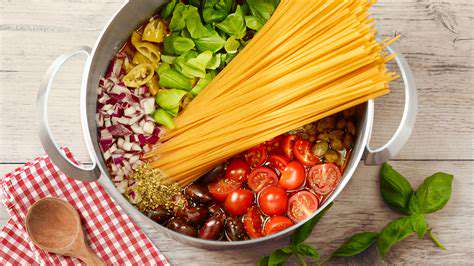
TipsforCreatingYourOwnHealthyOne-PotPasta

Choose the Right Ingredients

When creating a healthy one-pot pasta, it's essential to focus on the quality and type of ingredients you use. For instance, opting for whole grain or legume-based pasta can significantly increase the fiber content, which is vital for digestive health, while also aiding in weight management. Not only do these alternatives add essential nutrients, but they can also keep you feeling full longer, thus reducing the likelihood of snacking.

You should also consider incorporating a variety of vegetables into your dish. Choices like spinach, bell peppers, and zucchini not only enhance flavor but also deliver a wealth of vitamins and minerals. Mixing colors on your plate can make your meal more appealing; a visually attractive dish can promote healthier eating habits.

Master Your Cooking Technique

  • Utilize low-sodium broth instead of water for added flavor.
  • Adjust cooking times to ensure each ingredient is perfectly achieved.
  • Incorporate spices and herbs to enhance the dish without extra calories.

When it comes to cooking methods, mastering the art of sautéing ingredients in the right order is crucial. Start with aromatics like garlic and onions, which lay the foundation for deep flavors. Follow by adding your vegetables, allowing them to soften before incorporating the pasta and broth to create a unified dish that ensures each bite bursts with flavor. Perfecting timing and method can elevate your healthy meal from average to extraordinary.

Read more about Healthy One Pot Pasta Recipes for Weight Loss
Full Body Workout Routine for Beginners at Home
May 17, 2025
10 Simple Ways to Reduce Stress Daily
Jul 08, 2025
Top 5 Weight Loss Supplements That Actually Work
Jul 21, 2025
Nutritious and Delicious Chicken Recipes for Every OccasionExplore the delightful world of chicken-based dishes with our collection of easy-to-make recipes that are not only tasty but also packed with essential nutrients. From salads to hearty meals, discover how rotisserie chicken can elevate your cooking experience, save time, and provide health benefits. 1. Rotisserie Chicken SaladA fresh and nutritious rotisserie chicken salad can be the perfect meal. This dish is high in protein, providing around 26 grams per serving to support muscle repair and growth. Rich in essential vitamins and minerals, rotisserie chicken serves as a versatile base for salads. Combine shredded chicken with mixed greens, cherry tomatoes, and avocados for a refreshing summer treat, or choose roasted veggies and quinoa for a hearty option. 2. Chicken and Veggie Stir-FryBrighten your kitchen with a colorful chicken and veggie stir-fry. Using fresh vegetables like bell peppers and broccoli, this dish is not only visually appealing but loaded with nutrients. Stir-fry your chicken quickly at high heat with garlic and ginger for a flavorful and health-boosting meal. Pair it with whole grains like quinoa to balance your plate and add fiber for satiety. 3. Chicken Tacos with Avocado Lime DressingReinvent taco night by making chicken tacos using shredded rotisserie chicken. Kick it up with a creamy avocado lime dressing that adds a rich flavor while providing healthy fats. Customize with fresh veggies and spices to your liking and enjoy a nutritious meal that's quick to prepare. These tacos make for a versatile dinner option that everyone will love. 4. Chicken Quinoa BowlWhip up a wholesome chicken quinoa bowl by combining cooked quinoa, rotisserie chicken, and fresh vegetables. This dish stands out with its complete protein content and array of nutrients. It's quick to make and versatile; simply tailor the ingredients to what you have on hand, whether it’s seasonal vegetables or your favorite dressing, for a meal that never gets boring. 5. Chicken Loaded Baked Sweet PotatoesIndulge in delicious chicken loaded baked sweet potatoes, a satisfyingly healthy choice. The natural sweetness of the potatoes pairs wonderfully with rotisserie chicken, black beans, and cheese. This dish is rich in vitamins and fiber and can be customized with different toppings, making it an easy yet impressive meal for any occasion. Why Choose Rotisserie Chicken?Rotisserie chicken is an excellent addition to your meals. It saves time without compromising on nutrition, making it a go-to ingredient for quick weeknight dinners or lunches. Plus, its high protein content supports muscle health, while diverse recipes allow for endless culinary creativity.Discover how these chicken recipes can enhance your diet and simplify your cooking routine, turning ordinary meals into extraordinary ones!
Feb 28, 2026
A Comprehensive GuideAre you looking to improve your running endurance? This guide provides structured training plans, effective cross-training activities, nutritional tips, and recovery strategies to help you reach your goals. Follow a Structured Training PlanA well-rounded training plan is vital for building endurance. Start by setting clear and achievable goals using the SMART criteria—make them Specific, Measurable, Achievable, Relevant, and Time-bound. Incorporate varying running sessions, such as long runs and interval training, along with necessary rest days to prevent injury and fatigue. Use running apps or GPS devices to track your progress and adjust your regimen as needed. Incorporate Cross-Training ActivitiesCross-training enhances overall fitness and helps prevent burnout. Engage in activities like cycling, swimming, or strength training. These alternatives work different muscle groups, contributing to improved performance. Aim for a balanced schedule that combines running with cross-training days. This will keep your workouts diverse and maintain your enthusiasm for training. Prioritize Proper Nutrition and HydrationNutrition is crucial for endurance training. Focus on balancing macronutrients—carbohydrates for energy, proteins for muscle repair, and healthy fats for overall health. Stay hydrated, as dehydration can impact your performance. Develop a meal strategy that includes pre- and post-run nutrition to boost endurance and recovery. Implement Recovery StrategiesRecovery shouldn't be overlooked. Schedule rest days and listen to your body to prevent injury. Incorporate active recovery strategies like yoga or low-impact activities to help your muscles recover effectively. Remember that a good night’s sleep significantly impacts your recovery and performance. Set Realistic Goals and Celebrate ProgressEstablishing realistic goals keeps motivation high. Break larger objectives into smaller milestones and celebrate each achievement. Recognizing progress, whether through personal bests or completing a scheduled run, reinforces your commitment and continues to drive you forward. Use a training log for tracking improvements and staying engaged.---By following these tips, you're well on your way to improving your running endurance effectively. Whether you're training for a marathon or simply want to enjoy longer runs, having a structured approach will help you achieve your goals while avoiding burnout and injury. Start your endurance journey today!
Feb 28, 2026
Prioritize careful meal planning to ensure nutritional variety. Use meal planning apps to organize your grocery list and streamline the process. 2. Proper Food Storage Techniques: Store prepared meals in glass containers and label them with dates to track freshness. Dividing meals into single-serving sizes can also aid in portion control. Sample Recipes for Healthy Lunch Prep- Mediterranean Quinoa Salad: Quinoa mixed with fresh vegetables provides a protein-rich lunch option, easy to customize.- Grilled Chicken Burrito Bowls: These bowls are nutritious and made with ingredients like brown rice, which aids in digestion and weight management.- Spinach and Feta Stuffed Peppers: A visually appealing meal that's rich in vitamins, making it perfect for lunch.- Chickpea and Avocado Salad: A protein-packed option that balances flavor and nutrition, easy to prepare and enjoy. Staying Motivated During Your Weight Loss JourneySetbacks are a common part of any weight loss journey. Viewing these moments as learning opportunities is essential. Keep a journal of your experiences to help identify triggers. Setting realistic, achievable goals, using the SMART criteria, will keep you motivated and on track.A healthy support network can also make a significant difference in your weight loss journey. Engaging with friends, family, or social media communities for accountability and encouragement can make the process enjoyable and sustainable. ConclusionIncorporating healthy meal prepping habits is a powerful strategy for anyone looking to lose weight. With thoughtful meal planning and preparation, you can not only reach your weight loss goals but maintain a healthier lifestyle in the long run.
Mar 01, 2026
A Comprehensive GuideDiscover the nutritional wonders of plant-based proteins, perfect for anyone looking to enhance their diet with healthy, sustainable sources of nutrition. This guide delves into five powerhouse categories of plant-based proteins: legumes, quinoa, soy products, nuts and seeds, and plant-based protein powders. 1. Legumes: Nature's Protein PowerhouseLegumes, including beans, lentils, and peas, are rich in protein and fiber, making them a staple for vegans. With about 18 grams of protein per serving, they not only enhance muscle growth but also promote heart health through lower cholesterol levels. Learn to incorporate legumes into your meals with versatile recipes and cooking tips, supporting effective weight loss without sacrificing taste. 2. Quinoa: The Complete Protein GrainDubbed a superfood, quinoa is a complete protein containing all nine essential amino acids. Not only is it a nutrient-dense option rich in minerals like magnesium and iron, but its high fiber content aids in digestion and weight loss. Explore how to prepare quinoa and discover delicious ways to incorporate it into salads, bowls, and more! 3. Tofu and Tempeh: Essential Soy ProductsTofu and tempeh are excellent sources of protein and offer various health benefits. Tofu provides about 8 grams of protein per 100-gram serving and is rich in calcium, while tempeh takes the lead with 19 grams and probiotic benefits. Dive into creative cooking methods and meal-planning ideas to make the most of these versatile soy products. 4. Nuts and Seeds: Nutrient-Dense AdditionsPacked with healthy fats, protein, and essential nutrients, nuts and seeds play a crucial role in a balanced diet. Incorporate varieties like almonds and chia seeds for their health benefits and delicious flavors. This section highlights how to effortlessly add nuts and seeds to your meals for improved satiety and heart health. 5. Plant-Based Protein Powders: Convenient and VersatileFor an easy protein boost, explore the range of plant-based protein powders including pea, brown rice, and hemp proteins. These powders are not just convenient for post-workout recovery; they can also enhance smoothies and baked goods. Understand how to choose the right protein powder that enhances your diet without unnecessary additives. ConclusionWhether you’re vegan, vegetarian, or simply looking to incorporate more plant-based options into your meals, this guide provides essential insights and practical tips. Embrace the benefits of legumes, quinoa, soy, nuts, seeds, and plant-based protein powders to create a delicious and fulfilling diet that supports your health and wellness goals. Start your journey to mindful eating today for a healthier tomorrow!
Mar 04, 2026
This fiery spice contains capsaicin, known for its thermogenic properties, which help increase body temperature and calorie burn.2. Ginger: With its active compound, gingerol, ginger has been linked to heightened thermogenesis, making it a key ally in weight loss efforts.3. Turmeric: Rich in curcumin, turmeric not only adds vibrant color to your dishes but also assists in fat breakdown and formation reduction.4. Cinnamon: More than just a sweetener, cinnamon helps regulate blood sugar and improve insulin sensitivity, aiding your metabolism. Practical Ways to Include Spices in Your MealsAdding spices to your diet can be simple and delicious! Incorporate them into smoothies, oatmeal, or roasted vegetables to elevate flavor and metabolic benefits. Experiment with custom spice blends that resonate with your taste preferences, enriching both your meals and your weight loss strategy. Precautions When Using Spices for Weight LossWhile spices offer numerous benefits, it's essential to use them mindfully. Monitor your body’s reactions, start with small doses, and be aware of any potential interactions with medications. Consultation with healthcare professionals can provide personalized advice, especially if you have sensitivities or ongoing health concerns. Achieve Lasting ResultsRemember, spices are powerful allies but should accompany a balanced diet and active lifestyle. Sustainable weight loss is a gradual process, and while spices can aid your journey, they are not a replacement for healthy habits. By consistently integrating these spices into your diet and tracking your progress, you will enhance not only your metabolism but also your overall health.Embrace the flavorful journey of spices in your kitchen and kickstart your metabolism today!
Mar 10, 2026
Your Best AllyMeal prep is an integral part of a successful meal planning strategy. Dedicating time to prepping meals can save you hours during busy weekdays, helping you stay on track with your weight loss journey. Consider batch cooking and preparing similar meals in advance to minimize cooking time. Essential Tips for Meal Planning Success1. Understand Your Nutritional Needs: Assess your dietary requirements based on age, activity level, and health conditions to create a personalized meal plan.2. Monitor Your Progress: Keep a food journal or use apps to track your meals and weight changes. Understanding your eating habits allows for better adjustments in your meal plans.3. Stay Flexible: Life can be unpredictable; remain open to modifying your plans when necessary to prevent feelings of deprivation associated with rigid dieting.4. Overcome Challenges: Identify and address personal barriers in meal planning, such as time constraints or lack of cooking skills, to develop a tailored approach that fits your lifestyle. ConclusionMeal planning is an effective strategy for achieving weight loss and maintaining a healthier diet. By setting realistic goals, understanding your nutritional needs, and committing to efficient grocery shopping and meal prep, you'll be well on your way to success. Discover the joy of balanced, healthy meals that not only support your weight loss journey but also enrich your overall well-being.
Mar 11, 2026
carbohydrates, proteins, and fats. Carbohydrates should dominate your intake, providing the quick energy needed for endurance activities. Aim for 7-10 grams per kilogram of body weight in the days leading up to your run. Proteins play a crucial role in muscle repair, with a recommended intake of 1.2 to 1.4 grams per kilogram for those engaging in high-volume running. Healthy fats contribute to long-term energy and should make up 20-35% of your daily calories. Hydration GuidelinesHydration is vital for performance and recovery. Drink 17-20 ounces of water a few hours before running and stay consistently hydrated throughout your run—aim for 7-10 ounces every 10-20 minutes, using electrolyte drinks for runs longer than an hour. This helps combat fatigue and sustains stamina. Foods to Fuel Your RunsPre- and post-run nutrition can't be overlooked. Focus on complex carbohydrates such as whole grains, fruits, and vegetables for consistent energy. A meal rich in carbohydrates 3-4 hours before your run can make all the difference. After exercising, consume a recovery meal with a 3:1 ratio of carbohydrates to protein to promote muscle recovery effectively. The Role of ElectrolytesElectrolytes like sodium, potassium, calcium, and magnesium are crucial for maintaining fluid balance and preventing cramps during intense running. Incorporate foods or sports drinks that replenish these essential nutrients to maintain performance levels. Pacing Yourself WiselyUnderstanding energy zones can significantly enhance your pacing strategy. Most runners should start in Zone 1 to warm up gradually. Creating a strategic pace plan that incorporates negative splits helps manage energy efficiently. Mental Strategies for SuccessVisualization techniques and positive self-talk can enhance focus and resilience when the going gets tough. Practicing mindfulness and breathing techniques during your runs helps maintain clarity and a relaxed posture. Incorporating Interval TrainingImplementing interval training can improve both speed and endurance by alternating high-intensity bursts with resting periods. Craft a personalized plan based on your goals for speed or stamina, and track your progress to make necessary adjustments. Recovery StrategiesPost-run recovery is essential in preventing injuries and ensuring long-term performance. Embrace active recovery techniques like low-intensity activities and foam rolling, and maintain a balanced diet rich in carbohydrates and protein for optimal muscle repair. ConclusionEvery runner's nutritional and recovery needs vary. Pay close attention to what works best for you—consider consulting with a registered dietitian specializing in sports nutrition to tailor a personalized dietary plan. Follow these guidelines to maximize your running performance, ensuring you're prepared for every challenge on the road ahead.
Mar 17, 2026
eat balanced meals 2-3 hours before exercise and replenish with protein-carb combinations within 30 minutes post-workout. Consider supplements like Beta-Alanine and Omega-3s to further enhance performance but consult healthcare professionals before starting. 5. Monitor Progress and Prioritize RecoveryLeverage technology such as wearables and apps to track heart rate, pace, and VO2 max estimates. Set clear, achievable goals broken into milestones, adjusting plans based on progress. Emphasize recovery by incorporating rest days, active recovery activities like yoga, and ensuring sufficient sleep for muscle repair. Engaging with coaches or sports scientists can provide personalized insights and VO2 max testing to refine training strategies. Consistent monitoring and regular program reviews help maintain an optimal balance between training intensity and recovery, preventing injury and sustaining improvements.---By combining HIIT, aerobic conditioning, strength training, strategic nutrition, and diligent recovery, you can significantly enhance your VO2 max and running endurance. Implement these integrated approaches for a well-rounded, scientifically backed training plan that supports long-term athletic development and peak performance.
Mar 20, 2026
A Comforting Classic for Health and Weight LossDiscover the warmth and comfort of Nourishing Lentil Soup, a classic dish that combines health benefits with delightful flavors. This wholesome soup is packed with nutritious ingredients such as whole lentils, vegetables, and a variety of herbs. Explore how lentils can play a crucial role in your weight loss journey while satisfying your taste buds. Key Ingredients and Health BenefitsWhen crafting your delicious lentil soup, you'll want to include ingredients like carrots, onions, and garlic, all known for their rich vitamin and mineral content. Lentils are recognized as a superfood, high in dietary fiber and plant-based protein, helping you feel fuller for longer, thereby supporting weight management. Just one cup of cooked lentils offers around 18 grams of fiber and an excellent source of protein, making it an ideal meal for vegetarians and vegans. Mastering Cooking TechniquesTo achieve the perfect texture, understanding the cooking times of different lentil varieties is essential. Brown lentils require 20-30 minutes, while red lentils can cook in just 15 minutes. Pre-soaking lentils can speed up cooking time, though it’s not necessary. Using a tight-fitting lid and monitoring water levels will prevent burning and ensure a deliciously cooked soup. Customize Your Soup ExperienceLentil soups are incredibly versatile; you can enhance the flavor by adding spices like cumin and coriander or try Mediterranean or Indian-inspired variations. Experimenting with creamy textures can be achieved by blending part of the soup, adding richness while maintaining a healthy profile. Complement your soup with vibrant seasonal vegetables for a unique and nutritious experience. Serving SuggestionsServe your lentil soup alongside a leafy green salad or whole-grain bread to create a balanced meal. Adding a drizzle of olive oil, a splash of lemon juice, or a dollop of yogurt can elevate your dish with fresh flavors, while garnishes like fresh herbs boost visual appeal. Storing and FreezingLeftover lentil soup can be a lifesaver during a busy week. Store it in airtight containers once cooled; it can last in the refrigerator for 3 to 5 days or can be frozen for up to three months. When reheating, simply add a bit of water or broth to return the soup to its intended consistency. Conclusion: Why Choose Lentil Soup for Weight Loss?Lentil soup isn’t just delicious; it’s a smart choice for anyone looking to lose weight. Low in calories but high in protein and fiber, it promotes fullness, which can help manage calorie intake. By incorporating lentils into your diet, you're not only making a wise nutritional choice but also working towards reducing the risk of chronic diseases. Explore the joys of cooking with lentils today and make nourishing lentil soup a staple in your healthy eating plan!
Mar 31, 2026
View Publications>>