Backpack Weight
Posture Health
Back Health
Child Safety
Ergonomics
Core Strengthening

Impact of Backpacks on Lower Back Health in Kids

Understanding Backpack Loads

Statistics on Backpack Loads

Research indicates that over 70% of Students Carry Backpacks that exceed the recommended weight limit of 10% of their body weight. Exceeding this limit can result in immediate discomfort and long-term health issues. Schools and parents should collaborate in assessing the actual weight of backpacks to prevent these risks.

A study conducted by the American Academy of Pediatrics suggests that children often carry between 15 and 20% of their body weight in their backpacks. This excess load can significantly increase the risk of developing musculoskeletal problems in the lower back and shoulders. Understanding these statistics helps in making more informed decisions regarding backpack usage.

Effects of Overloaded Backpacks on Posture

Wearing a backpack that is too heavy can profoundly affect a child’s posture. As they lean forward to counterbalance the weight, they can develop an increased risk of abnormal spinal alignment. Proper posture is essential not just for comfort but also for the overall development of the spine and surrounding muscles.

In many cases, overloaded backpacks lead to muscular strain in the back and neck. Educating children on the importance of posture when carrying their backpacks can mitigate some of these risks. Incorporating regular breaks from wearing backpacks can also help maintain spinal health.

Parents and teachers should urge children to utilize both straps when wearing backpacks. Single-strap bags can cause uneven weight distribution, worsening posture over time.

Recommended Backpack Guidelines for Parents

Parents should be proactive in choosing the right backpack for their children. It should be lightweight, with padded straps and a supportive design that distributes weight evenly. Engaging children in the selection process can make them more aware of the importance of proper backpack usage.

Establishing a routine of checking the weight of the backpack before school can also prevent overloads. Require children to take only necessary items, encouraging them to prioritize essential textbooks and supplies while leaving unnecessary items at home.

School Policies on Backpack Weight

It is critical for schools to establish policies that address the recommended weight of students' backpacks. Some schools have implemented weight limits and provided storage options for textbooks to lighten their load during the day. Legislative measures in some regions mandate schools to take responsibility for ensuring backpacks are not excessively heavy.

Schools can foster awareness through educational workshops for students and parents alike. These sessions can enlighten families on the long-term risks associated with heavy backpacks and the importance of ergonomic design. Collaboration between educators and health professionals is key to successful policy implementation.

Alternatives to Traditional Backpacks

With advancements in technology and education, students have many alternatives to traditional backpacks that can help reduce weight. Rolling carts or bags with wheels can significantly lighten the load, especially for students who need to carry heavy textbooks. Some schools are moving towards digital textbooks, which also reduces the physical burden on students.

Exploring different educational tools such as tablets minimizes the need for heavy physical materials. However, schools transitioning to digital solutions must ensure equitable access for all students.

Signs of Backpack-Related Discomfort

Parents should be vigilant for signs of discomfort in their children related to backpack use. Expressions of back pain, shoulder discomfort, or fatigue after carrying their pack could indicate that the backpack is overly heavy or improperly fitted.

Encouraging children to communicate their feelings about their backpacks can help identify issues before they lead to chronic problems. A simple check of their approach to carrying the bags can invite discussions about healthier habits in daily school life.

Long-Term Consequences of Poor Backpack Habits

Ignoring the risks associated with heavy backpacks can have significant consequences as children grow into adulthood. Long-term issues such as chronic back pain, spinal misalignment, and impaired posture can stem from a few years of careless habits in youth. Increasing awareness among parents and children of these potential consequences is vital for preventive strategies.

Seeking professional advice from healthcare providers can guide families in selecting the right equipment and maintaining healthy habits. Regular physical activity and stretching can also help strengthen the muscle groups that support back health. Parents should aim to create consistent habits for their children that promote lifelong health and well-being.

Improper Use: Adjustments and Carrying Techniques

Understanding Proper Backpack Adjustments

Ensuring that a backpack is properly adjusted is crucial for preventing strain on a child’s lower back. The height of the backpack should sit right in the middle of the back and not exceed the shoulder level. When it hangs too low, it can pull the child backward, increasing the strain on their spine. Regularly checking the fit as children grow is essential, as a poorly fitted backpack can contribute to musculoskeletal issues.

Research from the American Academy of Pediatrics suggests that a child should carry no more than 10-15% of their body weight in their backpack. This ratio helps in minimizing the potential for injury and discomfort. Parents and educators should encourage students to lighten their load by removing unnecessary items, thus making a significant difference in overall spinal health.

Best Practices for Carrying a Backpack

In addition to proper adjustments, how a child carries their backpack significantly impacts their back health. Children should use both shoulder straps rather than slinging the pack over one shoulder. This method helps distribute weight evenly and reduces the risk of uneven spinal alignment. Schools should educate students on the importance of using both straps, perhaps through workshops or health classes.

Furthermore, backpacks with padded shoulder straps and a supportive back design can promote better posture. It's also beneficial to select backpacks with a hip belt, allowing additional weight to be distributed to the hips rather than solely resting on the shoulders. Implementing these carrying techniques can greatly enhance comfort and overall wellbeing for growing children.

Design Matters: Choosing the Right Backpack
DesignMatters:ChoosingtheRightBackpack

Understanding Backpack Design for Health

Backpack design plays a crucial role in maintaining lower back health in children. A well-designed backpack evenly distributes weight, reducing the strain on a child's spine. A backpack that is too heavy or poorly fitted can lead to serious musculoskeletal issues. It's essential that parents consider both the aesthetics and functionality when selecting a backpack.

Research shows that backpacks should ideally weigh no more than 10-15% of a child's body weight. This guideline helps in preventing excessive strain on the back. Additionally, features like padded shoulder straps and lumbar support can greatly enhance comfort during use.

Choosing the Right Size and Fit

Finding the right size and fit is vital for a backpack to support lower back health. A backpack should rest comfortably in the middle of the back and not extend beyond the waist. An improperly sized backpack can lead to overcompensation by other muscle groups, resulting in pain and discomfort. Parents should engage children in the fitting process to ensure they are involved in the decision.

  • Measure your child's torso to determine the appropriate size.
  • Ensure the backpack is adjustable to fit various clothing layers.
  • Evaluate how the backpack feels when worn with the desired load.

Material Matters: Safety and Comfort

The materials used in a backpack can significantly affect overall comfort and safety. Selecting backpacks made from breathable fabric can help in temperature regulation, ensuring that kids aren't too warm during use. High-quality stitching and zippers also contribute to the backpack's durability.

Moreover, children are often exposed to various environments at school. Opting for materials that are resistant to wear and tear not only adds longevity but also ensures safety in different weather conditions. Well-made backpacks reduce the risk of sudden failures during use.

Weight Distribution and Load Management

Load management is essential when considering a child's backpack. It's important to teach children how to pack their backpacks properly, minimizing the weight at the bottom to avoid tipping. Even distribution can significantly reduce pressure points on their backs.

Encourage kids to use all available pockets to spread the load. Tools like pencil cases and lunch bags should be placed strategically in their backpacks. Keeping items organized not only helps with weight distribution but also allows for quick access, which can minimize awkward movements and strain.

Promoting Good Posture with Backpack Use

Good posture should be a daily practice for children, especially when they are using a backpack. Encouraging children to stand tall and keep their shoulders back while wearing a backpack can instill healthy habits. Regular reminders about posture can go a long way in preventing future back issues.

Additionally, ergonomic backpacks, designed with posture-supporting features, can be immensely helpful. Investing in a backpack that encourages an upright posture is a proactive measure. Schools could even implement awareness programs emphasizing the importance of proper backpack use and posture.

Monitoring Back Health Over Time

Monitoring back health is essential, particularly as children grow. Regular check-ups with a healthcare provider can help identify any potential back issues early on. Parents should be vigilant for signs of discomfort or changes in posture, as these could indicate that a backpack is unsuitable.

Keeping a journal or log of any complaints can be beneficial for tracking patterns and assessing whether changes need to be made. Finally, as kids progress through school, reevaluating their backpack choice is crucial for ensuring ongoing back health.

Staying Active: Strengthening Back Muscles
StayingActive:StrengtheningBackMuscles

Importance of Core Stability for Back Health

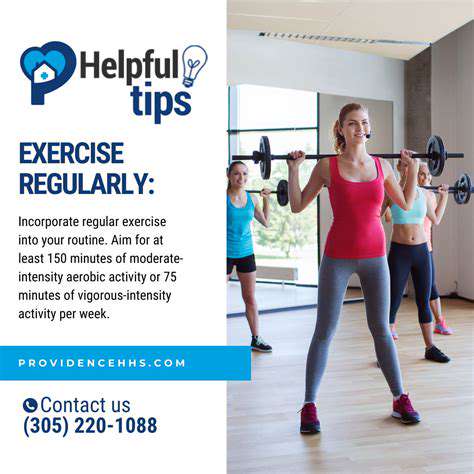
Enhancing core stability is crucial for maintaining proper posture and reducing strain on the lower back, particularly in children. Studies indicate that a Strong Core can lead to improved spinal alignment, which is vital during the developmental years. Children are prone to slumping and poor posture, especially when carrying heavy backpacks, which can exacerbate back problems. Therefore, engaging in core-strengthening exercises can be beneficial in preventing discomfort.

To effectively strengthen the core muscles, kids can engage in activities such as planks, bridges, or even fun exercises like animal crawls. Incorporating these exercises into daily routines can also turn physical activity into a family affair, making it enjoyable and sustainable. The goal is to create a habit of maintaining a strong core that supports their growing bodies, allowing them to carry loads, like backpacks, without jeopardizing their spine health.

Specific Exercises for Strengthening Back Muscles

  • Supermans: Lie face down and lift arms and legs off the ground to engage the back muscles.
  • Bird Dogs: On all fours, extend opposite arm and leg, promoting stability and coordination.
  • Wall Sits: Leaning against a wall encourages endurance in the lower back and legs.

Integrating specific exercises into a child's routine can significantly enhance their back strength and overall posture. Engaging in activities like Supermans and Bird Dogs not only strengthens the back muscles but also develops balance and coordination. Research supports that engaging muscles in these ways can help protect against lower back pain and injuries. Children perform these movements easily, which makes it a practical option for parents concerned about their kids' backpack weights.

Promoting active play, such as climbing or dancing, can also serve as enjoyable methods for strengthening back muscles organically. Parent involvement in these activities can enhance motivation and consistency. Ultimately, fostering an Active Lifestyle creates lifelong habits beneficial for better back health.

Read more about Impact of Backpacks on Lower Back Health in Kids
Health Tips for Desk Job Workers (Staying Active)
May 04, 2025
Noticeable dips or unevenness in your mattress can lead to spinal tension and increased stiffness.2. Waking Up with Pain: Consistently waking up with discomfort can indicate inadequate support for spinal alignment, leading to discomfort during the day.3. Age of Mattress: Mattresses typically have a lifespan of 7-10 years; older models may not provide sufficient support and comfort. Tips for Managing Lower Back PainIn addition to selecting the right mattress, consider incorporating daily stretching exercises to enhance flexibility and reduce tension in the back. Be mindful of your posture throughout the day and invest in ergonomic furnishings that support spinal health. Regular movement and breaks can also alleviate spinal pressure.By understanding how mattress selection impacts sleep quality and back health, you can make informed decisions that promote overall wellness. Investing time and resources in finding the right mattress can greatly enhance your quality of life.
Feb 27, 2026
Benefits, Choosing, and Usage What is a Lumbar Support Pillow?A lumbar support pillow is crafted specifically to provide targeted support to the lower back, aiming to maintain the spine's natural curvature. This becomes increasingly crucial for individuals who spend prolonged hours seated, particularly in office settings. By filling the gap between the lower back and the chair, it alleviates pressure on lumbar discs, ultimately reducing discomfort and minimizing the likelihood of chronic back pain. The Anatomy and Benefits of a Lumbar Support PillowLumbar support pillows typically feature contoured designs to conform to the spine's natural shape. Commonly made from materials such as memory foam and traditional polyurethane, these pillows are not only supportive but can also come with removable, washable covers for easy maintenance. Advantages:1. Improved Posture: Regular use promotes better posture, reducing strain on spinal structures and enhancing overall comfort in the workplace.2. Relief from Back Pain: Many users report significant reductions in lower back pain, contributing to a better quality of life.3. Enhanced Comfort: Designed for extended use, these pillows help users remain comfortable and productive during long work hours. Choosing the Right Lumbar Support PillowSelecting the perfect lumbar support pillow involves considering several factors:- Firmness and Material: A firmer pillow provides robust support, while a soft one may be more comfortable for shorter durations.- Adjustable Features: Look for pillows equipped with adjustable straps for personalized positioning.- Hygiene: Opt for pillows with machine-washable covers for maintaining cleanliness.Testing various options can help find a pillow that suits individual needs and preferences. Proper Usage for Maximum EffectivenessFor optimal results, position the lumbar support pillow correctly against the lower back, ensuring it supports the natural spinal curve. Adjust the chair height so that the feet are flat on the ground, enhancing the overall effectiveness of the pillow in alleviating back pain. Common MisconceptionsIt's a common fallacy that lumbar support pillows are necessary only for individuals experiencing back pain. In reality, they can benefit anyone who spends considerable time sitting, promoting better sitting habits and overall spinal health. Long-Term BenefitsIncorporating a lumbar support pillow into daily routines can lead to lasting benefits, including a significant decrease in back pain incidence. By consistently using it along with practicing proper ergonomics, individuals can enjoy improved health outcomes over time, enhancing their overall quality of life both at work and beyond. Ergonomic IntegrationBeyond the lumbar pillow, integrating ergonomic practices—like adjusting desk heights, maintaining monitor levels, and regularly stretching—can further mitigate long-term back pain. Lumbar support pillows not only provide short-term relief but also encourage lifestyle changes that can lead to better spinal health and increased productivity. Invest in one today for a more comfortable and supportive work experience.
Mar 05, 2026
A Comprehensive GuideAre you a side sleeper struggling with discomfort or pain? Finding the right mattress is essential for ensuring a restful night’s sleep. In this guide, we'll delve into the importance of support for side sleepers, the best materials to look for in a mattress, and practical tips for selecting the ideal sleeping surface. Understanding the Importance of Support for Side SleepersSide sleepers need a mattress that ensures proper spinal alignment. A mattress that is too firm may exacerbate pressure points in the hips and shoulders. Research suggests that mediums to medium-soft mattresses, particularly those made from memory foam or latex, can cradle the body's curves, providing essential support while allowing for sinkage. This balance is pivotal in preventing discomfort and supporting a restorative sleep cycle. Materials That Favor Side SleepersThe choice of materials in a mattress can significantly influence comfort. Memory foam is particularly suited for side sleepers as it contours to body shapes, alleviating pressure points. Latex mattresses offer durability with a slight bouncy feel, while hybrid mattresses provide a combination of support and pressure relief. Tips for Choosing the Right MattressWhen shopping for a mattress, consider these essential tips:- Test Various Materials: Experience how different mattresses feel and support your body.- Trial Periods: Opt for options that offer a trial period for evaluation.- Zoning Features: Look for mattresses that offer varied firmness levels for different body areas.Remember, finding the right mattress often requires some experimentation, so pay attention to your body’s needs. Utilizing Pillows for Proper Spinal AlignmentThe right pillow can complement your mattress by further supporting spinal alignment, particularly important for side sleepers. Pillows made from memory foam or latex can maintain proper neck alignment. Buckwheat pillows also provide adjustable support. Choosing a pillow with the right loft is key, as too thin can cause drooping while too thick may misalign. Stretching and Strengthening Exercises for Lower Back PainIncorporating stretching and strengthening exercises can enhance spinal health. Daily stretches like the cat-cow and child’s pose relieve tension in the lower back. Strength training through planks and bridges is crucial for core stability, reducing pain and improving overall health. Prioritize proper sleep posture by placing a pillow between your knees to maintain spine alignment, which further reduces discomfort. Establishing a Relaxing Bedtime RoutineCreating a calming environment is vital for quality sleep. Keep your bedroom cool, dark, and quiet, and limit screen time before bed to enhance melatonin production. Establishing a consistent sleep schedule helps regulate your body’s internal clock. Incorporating relaxation techniques, such as deep breathing and progressive muscle relaxation, can further enhance your ability to unwind. Consulting with a Healthcare ProfessionalIf lower back pain persists, consulting with a healthcare professional is vital for an accurate diagnosis and treatment plan. They can provide tailored sleep posture recommendations and monitor progress for optimal recovery.In conclusion, choosing the right mattress, utilizing proper pillows, and engaging in supportive exercises while maintaining a calming bedtime routine can dramatically improve sleep quality for side sleepers. Prioritizing spinal alignment is an investment in your overall health and well-being.
Mar 09, 2026
- Seat Height: Allows users to align their chair with their desk for optimal comfort.- Armrests: Reduces strain on the shoulders and neck.- Backrest Recline: Alleviates pressure on the lower back.Having these adjustments can enhance comfort during long working hours, making it easier to focus on tasks. Lumbar Support IntegrationProper lumbar support is crucial in preventing lower back pain. Chairs with adjustable lumbar support systems enable customization to accommodate different body types, helping to maintain the natural curve of the lower spine. Material Quality and BreathabilityThe materials should not only be durable but also comfortable and breathable. High-quality fabric or leather helps to keep you cool and supported during prolonged sitting. Investing in breathable materials ensures comfort and productivity. Mobility and StabilityA great office chair should provide easy movement around your workspace. Look for swivel bases and durable castors to reach different areas without straining. A five-point base offers enhanced stability, ensuring a safe and secure seating experience. Budget ConsiderationsWhile investing in an ergonomic chair may seem costly, it is essential for long-term health and productivity. Discomfort can lead to decreased output and higher healthcare costs. Look for options that balance quality and budget without sacrificing essential features.--- Top Office Chairs for Lower Back PainWhen it comes to alleviating lower back pain, ergonomic chairs are designed with critical features like adjustable lumbar support and seat height. Popular models such as the Herman Miller Aeron and Steelcase Leap are highly regarded for their effectiveness at reducing back pain, offering significant customization for individual needs. For those on a budget, consider the Hbada ergonomic chair, which combines comfort and support without a hefty price tag.--- Tips for Maintaining Proper PostureTo further enhance comfort while seated, ensure your monitor is positioned at eye level and your keyboard is set at elbow height. Regular movement and stretching every hour can counteract the negative effects of prolonged sitting, promoting overall well-being.--- Additional Solutions for Lower Back Pain ManagementIn addition to a quality office chair, consider chiropractic care, physical therapy, and mind-body techniques like yoga and meditation for holistic management of lower back pain. These practices not only target immediate discomfort but also provide strategies to improve long-term spinal health.---By prioritizing ergonomic design, adjustability, and material quality when selecting an office chair, you can significantly reduce the risk of lower back pain and enhance your work productivity.
Mar 12, 2026
Focus on whole foods, including fruits, vegetables, lean proteins, and whole grains.2. Regular Exercise: Engage in activities like swimming, walking, or cycling that are gentle yet effective in building core muscle strength.3. Professional Guidance: Consult with nutritionists or fitness trainers for tailored recommendations and enhanced accountability.Combining dietary changes with regular physical activity fosters sustainable weight loss, which directly impacts back health. The Role of Physical TherapyPhysical therapy can be pivotal in weight loss and managing back pain. Physical therapists create customized exercise plans that not only assist with weight reduction but also strengthen core muscles essential for spine support. Evidence suggests that individuals who take part in physical therapy may achieve better outcomes in weight loss and pain relief than those who do not. Long-Term Implications of Weight LossMaintaining a healthy weight can decrease the likelihood of recurring back pain and related issues such as sciatica and herniated discs. Many patients report needing fewer medications and experiencing improved functionality after weight loss. Long-term success requires making lifestyle changes instead of temporary diets. Additional Health BenefitsWeight management improves not just back health but overall health. Losing excess weight reduces the risk of conditions like diabetes and heart disease while enhancing energy levels and mental well-being. Seeking Professional GuidanceConsulting healthcare professionals, such as physicians and registered dietitians, ensures your weight-loss journey is safe and effective. Regular assessments and guided support can help tailor your approach, track progress, and make necessary adjustments to your plan.Conclusion: Understanding the connection between weight and back pain is key to managing and alleviating discomfort. By adopting effective weight management strategies and seeking professional guidance, individuals can significantly improve their back health and overall well-being.
Mar 17, 2026
- Side Planks: Great for lateral stability, aim for three sets of 30 seconds on each side.- Russian Twists: Engage both the obliques and rectus abdominis effectively; start with three sets of 15-20 reps.- Bicycle Crunches: These activate the obliques intensely, making them invaluable for core strength. These exercises not only build strength but also prevent muscular imbalances. Importance in Daily MovementObliques aren't just crucial in workouts; they significantly affect daily activities. A strong set of obliques enhances fluid motion when reaching or twisting, minimizing spine strain. Athletes and dancers, in particular, benefit from targeted oblique training, as these muscles provide the foundation for improved performance. Injury Prevention and RehabilitationStrong obliques play a vital role in injury prevention by providing spinal support during various movements. Athletes incorporating oblique workouts tend to report fewer injuries. Additionally, those recovering from back injuries can use oblique strengthening techniques as part of their rehabilitation process, fostering effective recovery and preventing re-injury. Professional Guidance for Optimal ResultsWhile self-guided strengthening routines can be helpful, enlisting professional guidance ensures a safe and effective approach. Personal trainers can customize programs based on individual needs, improving results and addressing specific muscle weaknesses. Conclusion: Real-Life Impacts of Strong ObliquesPrioritizing oblique strength results in improved athletic performance and enhanced daily life quality. A robust set of obliques not only contributes to better posture but also reduces chronic back pain experienced by many. By incorporating effective exercises, ensuring proper form, and recognizing the connection between nutrition and muscle recovery, individuals can enjoy the myriad benefits of strong obliques, aligning fitness efforts with real-world applications.For a comprehensive understanding of oblique importance and effective exercises, it's essential to engage consistently while focusing on balance and recovery.
Mar 18, 2026
Prolonged sitting poses significant risks to lower back health, leading to spinal misalignment, increased intervertebral disc pressure, and muscle weakening, which contribute to chronic pain and reduced mobility. Sedentary behavior is also associated with systemic health issues like cardiovascular disease, diabetes, and mental health challenges such as anxiety and depression. Incorporating alternatives like standing desks and dynamic movement breaks can alleviate these problems by promoting better posture, reducing lumbar spine pressure by up to 30%, and activating core muscles.While standing desks offer substantial benefits—encouraging neutral spinal alignment, improving circulation, and decreasing back pain intensity—extended standing without movement has its drawbacks. Prolonged standing can cause leg fatigue, circulation problems like varicose veins, and additional lower back strain. Experts recommend alternating between sitting and standing every 30 to 60 minutes, supported by ergonomic accessories such as anti-fatigue mats and footrests, to optimize comfort and spinal health.Effective workplace strategies include ergonomic assessments, personalized desk and chair setups, and education on proper posture and movement habits. Incorporating microbreaks with stretching or short walks helps reduce spinal load and muscle fatigue, enhancing long-term well-being. Research underscores that a balanced, active work environment combining sitting, standing, and movement yields the best outcomes for lower back health and overall productivity.Employers and individuals should prioritize ergonomic interventions to prevent musculoskeletal disorders associated with sedentary jobs. By fostering awareness, utilizing sit-stand desks appropriately, and encouraging regular physical activity, the detrimental effects of prolonged sitting can be mitigated, promoting healthier spines and better quality of life.
Mar 21, 2026
Essential Insights for ReliefUnderstanding the connection between sleep quality and lower back pain is crucial for those who suffer from chronic discomfort. Studies indicate that poor sleep hygiene can exacerbate pain levels, creating a cycle of unrest and discomfort. Prioritizing good sleep quality can facilitate healing, making the choice of sleeping position essential in managing lower back pain. Optimal Sleeping Positions for Lower Back Pain ReliefExperts recommend sleeping on your side with a pillow between your knees to promote spinal alignment and reduce pressure on the back. This position helps to maintain the spine's natural curve, aids circulation, and supports muscle recovery. Additionally, for back sleepers, placing a pillow under the knees can further alleviate tension and maintain the natural spine curvature. Key Recommendations for Sleeping Positions:- Use a firm mattress to ensure adequate support.- Consider a small pillow under the lower abdomen for additional support.- Be mindful of your body: if back sleeping aggravates pain, adjust your position accordingly. The Impact of Poor Sleeping PostureImproper sleeping positions may lead to muscle tension and aggravate existing pain. Research shows that maintaining a neutral spine alignment is vital to preventing discomfort. An overly soft or hard mattress can disrupt spinal alignment, leading to discomfort and waking stiffness. Therefore, selecting the right mattress and bedding is key to promoting restful sleep and overall back health. Choosing The Right Bedding for SupportThe correct mattress can dramatically improve sleep quality and spinal health. A medium-firm mattress is often recommended to support the spine while allowing for contours. Memory foam mattresses are also effective, as they adjust to the body's shape, offering essential support. Pillows play a critical role as well, with side sleepers requiring thicker pillows for neck support and back sleepers benefiting from thinner options. Staying Informed and Consulting ExpertsIf you struggle with ongoing lower back pain, consulting healthcare professionals such as physical therapists or chiropractors can provide personalized strategies for relief. These specialists can offer tailored advice on optimal bedding selection, sleeping positions, and overall sleep hygiene. Keeping an open dialogue about pain levels and sleeping patterns will allow for effective interventions and long-term wellness strategies. Additional Tips for a Spine-Friendly Sleep EnvironmentMake your sleeping space conducive to restful sleep by maintaining a dark, cool, and quiet environment. Establishing a consistent sleep schedule can regulate your internal clock, enhancing overall sleep quality. Incorporating gentle stretching or yoga before bedtime can also help alleviate tension and promote better back health. When to Seek Professional AdviceIf lower back pain persists or intensifies, particularly if accompanied by other concerning symptoms such as numbness or changes in daily activity, it is crucial to seek medical advice. An early consultation can lead to simpler resolutions, such as tailored exercise programs and pain management strategies.By understanding the impact of sleeping positions on lower back pain and taking proactive steps to improve sleep quality, individuals can significantly enhance their overall well-being and manage discomfort effectively.
Mar 23, 2026
Back muscle strains are common injuries resulting from overstretched or torn muscle fibers, often caused by improper lifting or sudden movements. These injuries frequently affect people involved in physical labor or sports, leading to significant discomfort and limitations in everyday activities. Recognizing the symptoms early—such as localized pain, muscle spasms, tenderness, swelling, and reduced mobility—is essential for effective management and faster recovery.Pain from back strains can range from sharp sensations during movement to dull aches at rest, sometimes radiating to the legs or buttocks if nerve involvement occurs. Functional impairments may include difficulty with basic tasks like lifting, standing, or turning in bed. While mild strains often improve with rest and home care, persistent pain lasting over two weeks, numbness, weakness, or severe swelling should prompt immediate medical consultation to rule out more serious conditions.Initial treatment emphasizes rest for 24 to 72 hours to reduce inflammation and prevent further injury, combined with gentle movements to maintain blood flow without stressing strained muscles. Following rest, applying ice during the first days helps control swelling, while heat therapy later promotes muscle relaxation and circulation. Incorporating light stretching and strengthening exercises guided by a healthcare professional supports gradual recovery, along with proper hydration and nutrition to facilitate healing.Pain management strategies include non-pharmacological approaches such as cold and heat therapy, gentle exercise, and posture correction, which are vital for preventing aggravation and speeding recovery. Over-the-counter analgesics and NSAIDs like ibuprofen can effectively reduce pain and inflammation, while topical creams provide localized relief. In more severe cases, prescribed medications and physical therapy interventions—such as manual therapy, strengthening, and neuromuscular re-education—play a critical role in restoring function and preventing chronic pain.Exercise is a cornerstone of rehabilitation. Early-stage gentle mobility exercises like pelvic tilts and knee-to-chest stretches prevent stiffness and promote healing. Core stabilization workouts enhance spinal support by targeting deep abdominal muscles, reducing the risk of recurrent strains. Progressive strength training using resistance bands or light weights rebuilds endurance in back muscles, while flexibility-focused stretching routines maintain tissue elasticity and long-term resilience. Combining these elements within a personalized program yields the best outcomes and improves quality of life.Long-term success in managing back muscle strain involves lifestyle modifications such as regular exercise, ergonomic adjustments at work and home, stress management, and weight control. These steps reduce mechanical stress on the back and mitigate muscle tension, promoting sustained pain relief and preventing future injuries.It is crucial to seek professional medical attention if symptoms worsen or do not improve, particularly if you experience numbness, weakness, fever, weight loss, bladder issues, or pain following trauma. Early diagnosis and treatment can prevent complications and facilitate a safer, more effective recovery.This comprehensive approach to identifying, treating, and rehabilitating back muscle strains ensures patients can regain mobility, reduce discomfort, and maintain optimal spinal health over the long term.
Mar 24, 2026
How to Choose the Right Foam Roller for Lower Back Pain ReliefFoam rolling has become a popular self-care tool for individuals experiencing lower back pain. Selecting the right foam roller is crucial for achieving the best results in alleviating discomfort and enhancing muscle recovery. This comprehensive guide will walk you through essential factors to consider when choosing a foam roller, ensuring you find the perfect match for your needs. Key Factors to Consider Material and DensityThe material and density of a foam roller can significantly impact its effectiveness. Most foam rollers are made from EVA foam or polyethylene foam, with high-density options suitable for deeper tissue massage. Softer rollers are ideal for beginners or those with sensitivity. For individuals specifically targeting lower back pain, medium-density rollers provide a balance of support and comfort. Size and ShapeChoosing the right size and shape is equally important. Standard foam rollers typically measure 36 inches in length, but shorter options are available for focused areas. Consider your height and body type when selecting a roller. Textured surfaces are excellent for targeted massage, while smooth rollers excel in general relaxation. Variations in shape, such as half-round or angled rollers, offer different intensity levels, allowing for personalized use. Best Foam Rollers for Lower Back Pain1. TriggerPoint GRID Foam Roller This roller features a unique multi-density surface that mimics a massage therapist's hands. It's lightweight and easy to transport, making it a versatile option for on-the-go relief. Regular use can significantly enhance blood flow and reduce muscle soreness, providing vital relief for those with lower back discomfort.2. LuxFit Foam Roller Crafted from high-density foam, the LuxFit model retains its shape and resists deformation, ensuring durability over time. Its smooth surface offers maximum comfort, making it suitable for enjoyable sessions. Many users report substantial improvements in lower back pain and flexibility after incorporating this roller into their routine.3. RumbleRoller Textured Foam Roller With its textured surface designed for targeted relief, this roller is ideal for chronic muscle tension. The RumbleRoller increases blood circulation and enhances flexibility, making it a valuable addition to any stretching or workout regimen. Its durability ensures long-term use without loss of effectiveness.4. ProForm Foam Roller This roller features a dual-density construction that provides diverse rolling techniques suited for various needs. Many users have found significant improvement in mobility and comfort when using the ProForm roller regularly, making it a favorite among back pain sufferers. How to Use a Foam Roller EffectivelyTo maximize the benefits of foam rolling, it's essential to utilize proper techniques. Begin by understanding your back's anatomy and the sources of pain. When rolling, position the foam roller under your lower back and use your legs for support. - Roll slowly back and forth, concentrating on tight spots without applying pressure directly to your spine.- Incorporate stretching movements like the child's pose to enhance the rolling effects. For optimal results, aim to foam roll three to five times a week. ConclusionChoosing the right foam roller can make a significant difference in relieving lower back pain and improving muscle recovery. By considering factors such as material, density, size, and shape, you can find a foam roller that meets your needs for effective pain management. Incorporate foam rolling into your routine to promote better flexibility, blood circulation, and overall well-being.
Mar 26, 2026
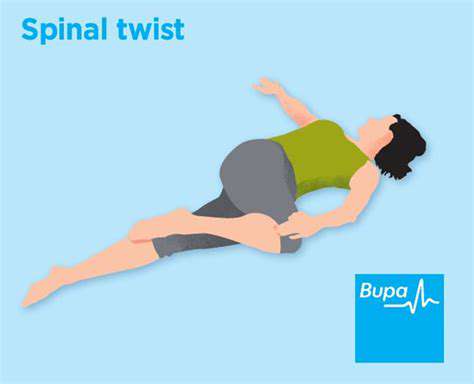
Causes, Prevention, and ReliefDriving for extended periods can lead to discomfort and pain, primarily due to the biomechanical stresses on the spine and the effects of poor ergonomics. This guide delves into the causes of back pain while driving and offers practical solutions for prevention and relief. Biomechanical Factors and Their Impact on Back PainProlonged sitting can strain the lower back’s muscles and lead to chronic pain. Poor posture, exacerbated by inadequate lumbar support in car seats, contributes significantly to discomfort. Adjusting your seating position and investing in ergonomic accessories, like lumbar rolls or supportive cushions, can prevent muscle fatigue and alleviate strain during long drives. The Role of Ergonomics in Driving ComfortEnsuring your seat height and angle align with your body can dramatically enhance driving comfort. Experts suggest that having your knees slightly lower than your hips can reduce lower back pressure. Regularly using ergonomic tools can further help. By making necessary adjustments and utilizing supportive devices, you can significantly decrease your risk of back pain. Psychological Stress and Muscle TensionStress and anxiety can exacerbate back pain by causing muscle tension. Finding coping mechanisms such as mindfulness may help ease this tension, promoting better physical well-being during your drives. Regular Breaks: A Key to Relieving Back DiscomfortTaking breaks every two hours is crucial for preventing back pain during lengthy journeys. Simple stretches, such as hamstring stretches and spinal twists, can enhance circulation and relieve stiffness. Research indicates that even small intervals of movement can lead to a noticeable decrease in discomfort levels. Effective Stretches for Post-Drive RecoveryIncorporate specific stretches into your routine after long drives to alleviate tension: 1. Cat-Cow StretchPromotes flexibility and relieves tension in the back muscles. 2. Seated Forward BendA yoga pose that stretches the lower back and hamstrings, enhances blood circulation, and promotes mindfulness. 3. Child's PoseA resting position that soothes the back, encourages relaxation, and alleviates stress-related pain. 4. Standing Quad StretchTargets the quadriceps to maintain pelvic alignment, reducing lower back pressure. 5. Spinal TwistIncreases spinal flexibility and alleviates strain from long sitting durations. The Importance of HydrationStaying hydrated is vital for muscle recovery and can help alleviate pain associated with dehydration. Carrying water on long drives will ensure you maintain optimal hydration. Knowing When to Seek Professional HelpIf back pain persists despite implementing self-care strategies, consult a healthcare provider for tailored treatment options. This is essential for addressing potential underlying issues early. ConclusionBy understanding the causes of back pain from driving and incorporating regular breaks, ergonomic practices, effective stretches, and proper hydration, you can significantly reduce discomfort. Prioritize your back health to enjoy a more comfortable driving experience.
Mar 28, 2026
View Publications>>