Back Health
Physical Therapy
Lower Back Pain
Stretching Techniques
Pain Relief
Flexibility Training

Lower Back Pain and Stretching: The Importance of Timing

When is it Most Effective?

Understanding the best times to stretch can maximize its benefits. Typically, the most effective times to engage in stretching exercises include after warming up muscles during physical activity and also as a cool-down technique. Stretching post-exercise allows the body to adapt and recover by lengthening the muscles that have contracted during exertion.

Interestingly, research has suggested that stretching during periods of inactivity, such as during long periods of sitting, can also aid in preventing lower back pain. Taking breaks to perform simple stretches promotes circulation and reduces stiffness, making it an effective practice for office workers or those who lead sedentary lifestyles.

Incorporating Stretching into Your Routine

For many, finding the time to stretch can pose a challenge. However, integrating stretching into existing routines need not be time-consuming. Simple strategies can be employed, such as dedicating 5 minutes each morning to perform basic stretches targeting the lower back and legs. Making it a daily habit can lead to lasting results without requiring substantial time commitments.

Additionally, individuals can explore yoga or pilates, both of which emphasize stretching and core strengthening exercises. A study in the Journal of Clinical Rehabilitation highlighted the effectiveness of yoga in reducing chronic lower back pain, offering a holistic approach to strengthening the back while improving flexibility.

Common Stretching Techniques for Lower Back Pain Relief

Several Stretching Techniques can effectively target lower back discomfort. The child’s pose and cat-cow stretch are excellent choices, focusing on elongating the spine and releasing tension. These stretches are not only simple but can be easily performed at home without the need for special equipment.

Furthermore, a more dynamic approach involves the use of foam rollers, which can help release tightness and improve blood flow. Research shows that self-myofascial release techniques, such as foam rolling, can enhance flexibility and range of motion, therefore supporting lower back health.

Seeking Professional Guidance for Stretching

For individuals experiencing chronic lower back pain, seeking guidance from physiotherapists or certified trainers can be valuable. Professionals can tailor Stretching Routines to meet specific individual needs, ensuring that exercises are performed safely and effectively. This personalized approach can be particularly beneficial for those with existing injuries or underlying health conditions.

Additionally, participating in structured classes, such as physical therapy sessions or group fitness classes focused on stretching, can provide essential support. Evidence suggests that engaging with trained professionals can enhance compliance with stretching programs and improve participants' overall experiences.

Timing Your Stretches: When is Best?

TimingYourStretches:WhenisBest?

Understanding the Role of Stretching in Lower Back Pain

Stretching plays a crucial role in managing lower back pain. It helps in enhancing flexibility, reducing muscle tension, and improving blood circulation. According to the American College of Sports Medicine, a consistent stretching routine can significantly alleviate discomfort and promote recovery.

Moreover, studies show that incorporating regular stretching into your routine can prevent injuries that exacerbate lower back pain. This proactive approach is fundamental to maintaining overall spinal health.

  • Enhances flexibility and mobility.
  • Reduces muscle tension and tightness.
  • Improves blood flow to the affected areas.
  • May prevent future injuries.

Identifying Optimal Timing for Stretches

The timing of your stretches can significantly impact their effectiveness. Most experts recommend stretching after your muscles are warm, which can be achieved through a light aerobic activity for about 5-10 minutes. This practice not only increases flexibility but also reduces the risk of injury.

Incorporating stretching into your routine right after exercising is particularly beneficial for the lower back. At this point, your muscles are more pliable, allowing for deeper and more effective stretches.

Morning Stretches: Start Your Day Right

Engaging in a morning stretching routine can set a positive tone for your day. It wakes up your muscles and enhances your range of motion, which can be especially beneficial if you experience stiffness upon waking.

Additionally, light stretching in the morning can invigorate you, improve posture throughout the day, and reduce the likelihood of developing lower back pain from sedentary activities.

Try incorporating movements like the cat-cow stretch or gentle twists to help mobilize your spine early in the day.

Post-Workout Stretches: A Necessary Recovery Component

After a workout, giving your body a chance to cool down through stretching is essential. This not only promotes recovery but also aids in the alignment of your spine, which is vital for minimizing back pain.

Research indicates that athletes who stretch post-workout have improved recovery times and reduced muscle soreness. Therefore, taking 10 minutes to dedicate to lower back-focused stretches can yield significant benefits.

Stretching Throughout the Day: Keep Moving

For those with desk jobs or sedentary lifestyles, it’s vital to incorporate stretches throughout the day. Key times to stretch include during breaks or even before meals to relieve tension that may build up from prolonged sitting.

Simple stretches, like reaching for the sky or standing hamstring stretches, can easily be performed at your desk, helping to keep your back healthy. It’s important to listen to your body and recognize when it needs movement.

Listening to Your Body: Tailoring Your Stretching Routine

Everyone’s body is unique, and understanding personal limits is crucial. It's important to modify your stretching routine based on how your lower back feels. If certain stretches cause discomfort, it may mean they are not suitable for you.

Working with a physical therapist can provide tailored advice about which stretches are beneficial and appropriate for your specific condition. They can guide you on when to stretch to maximize benefits and minimize the risk of exacerbating your pain.

The Benefits of Stretching for Lower Back Pain

Understanding Lower Back Pain: The Causes and Symptoms

Lower back pain can originate from various sources, including muscle strains, herniated discs, or underlying medical conditions like arthritis. Many people often do not realize that poor posture, sedentary lifestyles, and improper lifting techniques can lead to chronic discomfort. Identifying the root cause is crucial, as it helps in choosing the right stretching exercises to target specific issues.

Common symptoms associated with lower back pain include a dull ache, sharp shooting pain, muscle stiffness, or even numbness radiating down the legs. When such symptoms persist, they can significantly hinder your daily activities, making it essential to address them without delay. Research shows that over 80% of adults will experience back pain at some point in their lives, which highlights the widespread nature of this issue.

The Role of Stretching in Pain Relief

Stretching plays a pivotal role in alleviating lower back pain by enhancing flexibility, reducing muscle tension, and promoting blood circulation. When muscles are tight, they can pull on the spine, leading to discomfort. A regular stretching routine can help counteract this tightness, thus offering significant relief. Studies indicate that individuals who incorporate stretching into their daily routine report a 30% improvement in pain levels compared to those who do not.

Timing Your Stretching Routine

The timing of your stretching exercises can greatly influence their effectiveness. Stretching after physical activity, when muscles are warm, promotes better flexibility and can prevent injury. Additionally, incorporating stretching into your morning routine can set a proactive tone for your day. Recent research emphasizes that consistent stretching, whether in the morning or after exercise, can lead to long-term benefits in lower back health.

Many experts recommend performing static stretches, where you hold a position for 15-30 seconds, to improve muscle elasticity and decrease tension. Moreover, dynamic stretches, or those that involve movement, are beneficial before engaging in physical activities to warm up the muscles and joints.

Types of Effective Stretches for Lower Back Pain

There are several stretches specifically designed to alleviate lower back discomfort. These include the Cat-Cow stretch, Child's Pose, and Piriformis stretch, each targeting different muscle groups. The Cat-Cow stretch, for instance, encourages mobility in the spine and relieves tension in the back and neck. Experts recommend holding each stretch for at least 30 seconds to maximize its effects.

Furthermore, integrating hamstring stretches can also benefit the lower back, as tight hamstrings can lead to increased pressure on the lower back region. Remember to focus on gentle, controlled movements to avoid aggravating your pain. Research published in physical therapy journals confirms that these targeted stretches can significantly improve mobility and reduce pain over time.

Personalizing Your Stretching Program

To maximize the benefits of stretching for your lower back pain, it’s essential to personalize your routine based on your comfort level and mobility. Consulting with a professional, such as a physiotherapist, can provide you with tailored exercises suitable for your condition. Individuals should start slowly, particularly if they are new to stretching, and listen to their bodies to avoid overexertion.

Additionally, keeping a stretching diary can help track your progress and improvements. Record any changes in pain levels before and after stretching. This method not only helps in maintaining motivation but can also indicate which exercises work best for alleviating your discomfort. It's important to adapt your routine over time as your condition improves or changes.

Effective Stretches for Lower Back Pain Relief

EffectiveStretchesforLowerBackPainRelief

Understanding the Causes of Lower Back Pain

Lower back pain can arise from various factors, including muscle strain, poor posture, or underlying medical conditions. Recognizing the root cause is essential for effective treatment. For example, conditions like herniated discs or arthritis may require different management strategies compared to a simple muscle pull.

Research indicates that approximately 80% of people will experience lower back pain at some point in their lives. This statistic highlights the prevalence of this issue and underscores the importance of addressing it through appropriate stretches and preventive measures.

The Benefits of Stretching for Pain Relief

  • Improves flexibility
  • Enhances blood circulation
  • Reduces muscle tension
  • Promotes overall well-being

Stretching serves as a vital tool in alleviating lower back pain. Regular stretching can significantly enhance flexibility, which helps reduce muscle tension and discomfort. By incorporating stretches into your daily routine, you not only combat pain but also work towards improving your overall mobility.

Effective Stretching Techniques for the Lower Back

Some of the most recommended stretches for lower back pain include the Cat-Cow stretch, Child's Pose, and the Seated Forward Bend. Each of these stretches targets not just the lower back but also engages surrounding muscle groups, providing a comprehensive approach to pain relief.

For maximum effectiveness, aim to hold each stretch for at least 30 seconds, allowing your muscles to relax fully. Consistency is key; aim to stretch at least three times a week to see substantial improvements in your discomfort levels.

Timing and Frequency of Stretching

Determining the right timing for your stretches can greatly impact their effectiveness. Incorporating them during your daily routine, such as after waking up or before bed, often yields the best results. Moreover, paying attention to your body's signals is crucial—if a stretch feels uncomfortable, it may need to be modified or omitted.

Additionally, it is advisable to spread your stretching sessions evenly throughout the week rather than cramming them into one day. Regular practice not only strengthens muscle memory but also instills a persistent routine that significantly helps in managing lower back pain.

Read more about Lower Back Pain and Stretching: The Importance of Timing
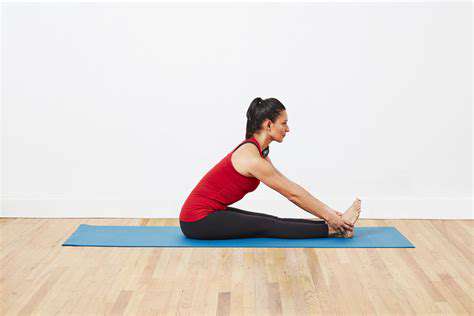
Child’s Pose, Cat-Cow Stretch, Seated Forward Bend, Hamstring Stretch, and Piriformis Stretch. 1. Child’s Pose: A Restorative StretchChild's Pose (Balasana) is a gentle yet powerful yoga position that can alleviate lower back discomfort. By stretching the spine and promoting relaxation, this pose encourages better blood circulation and engagement of the parasympathetic nervous system, reducing stress and anxiety. Proper technique involves kneeling with toes together and bending forward, allowing deep and slow breaths to enhance the stretch. Avoid common mistakes such as arching your back and forcing the position; instead, use props for support. 2. Cat-Cow Stretch: Enhancing FlexibilityThe Cat-Cow stretch is beneficial for enhancing spinal flexibility and mobility. This dynamic stretch involves transitioning between spinal flexion (Cat pose) and extension (Cow pose) to promote healthy spine alignment and alleviate discomfort. Regular practice of this sequence can counteract the negative effects of prolonged sitting and improve core stability. Focus on synchronizing your breath with your movements to maximize relaxation and effectiveness. 3. Seated Forward Bend: A Deep StretchEngaging the spine and hamstrings, the Seated Forward Bend is a fantastic way to improve flexibility and posture while alleviating lower back pain. While seated, extend your legs and hinge forward at the hips to reach towards your toes. Holding this pose for 30 seconds to a minute can significantly help in releasing tension. For those with existing back issues, modifications such as bending the knees are recommended for a safer experience. 4. Hamstring Stretch: Targeting Key MusclesTight hamstrings can contribute to lower back pain by affecting pelvic alignment. To combat this, incorporate hamstring stretches into your regimen—both seated and standing variations are effective. Aim to stretch at least three to four times a week to enhance flexibility and promote recovery. Engaging in proper hamstring stretching can lead to noticeable pain relief and improved mobility, making it an essential component of your back health plan. 5. Piriformis Stretch: Releasing Hip TensionThe piriformis muscle plays a crucial role in hip rotation and stability. Tightness in this muscle can lead to lower back pain and sciatic discomfort. Incorporating specific piriformis stretches into your routine can alleviate this tension and promote hip health. Whether seated or lying down, ensure gentle tension while holding each stretch for at least 30 seconds. Frequent practice, combined with strength training exercises, can lead to comprehensive benefits for lower back relief. ConclusionIn summary, integrating these five stretches into your daily routine can significantly improve lower back health, flexibility, and overall well-being. Remember, consistency is vital, and always listen to your body to avoid injury. Whether you're working at a desk or engaging in physical activity, taking a few moments for these stretching exercises can alleviate discomfort and promote a healthier spine.
Apr 20, 2025
How to Increase Your Flexibility Safely and Effectively
Jul 16, 2025
Noticeable dips or unevenness in your mattress can lead to spinal tension and increased stiffness.2. Waking Up with Pain: Consistently waking up with discomfort can indicate inadequate support for spinal alignment, leading to discomfort during the day.3. Age of Mattress: Mattresses typically have a lifespan of 7-10 years; older models may not provide sufficient support and comfort. Tips for Managing Lower Back PainIn addition to selecting the right mattress, consider incorporating daily stretching exercises to enhance flexibility and reduce tension in the back. Be mindful of your posture throughout the day and invest in ergonomic furnishings that support spinal health. Regular movement and breaks can also alleviate spinal pressure.By understanding how mattress selection impacts sleep quality and back health, you can make informed decisions that promote overall wellness. Investing time and resources in finding the right mattress can greatly enhance your quality of life.
Feb 27, 2026
Targets the upper and lower back; maintain a straight back to engage muscles effectively.2. Standing Back Extension: Enhances lumbar strength; focuses on core engagement and spinal health.3. Side Bend: Strengthens the oblique muscles and improves flexibility in the torso.4. Bridges with Resistance Band: Targets glutes and hamstrings; focuses on pelvic stability.5. Bird-Dog Exercise: Promotes stability between the upper and lower body. Final ThoughtsTo strengthen your lower back, aim for consistency by incorporating resistance band exercises into your routine three times a week. Always prioritize proper form and technique to maximize effectiveness and reduce injury risks. With their many benefits, resistance bands are an excellent addition to any fitness program, particularly for those seeking to enhance their lower back strength efficiently and safely.
Feb 28, 2026
What Causes Bulging Discs? Understanding the Impact on Spinal HealthBulging discs are a common issue that can arise from various factors, significantly impacting life quality. Understanding what causes bulging discs can help you take proactive steps towards spine health. Anatomy of the SpineThe spine consists of vertebrae, intervertebral discs, and supportive structures. Intervertebral discs cushion vertebrae, and when they bulge due to a weakened outer layer, they can compress nearby nerves, leading to pain and dysfunction. Age-related degeneration plays a crucial role in this process, with studies indicating that older adults are more susceptible due to reduced water content in discs. Risk Factors and Lifestyle InfluencesSeveral elements increase the risk of developing bulging discs, including age, genetics, and job-related hazards. Occupations requiring heavy lifting or repetitive motions may lead to spinal wear and tear. Lifestyle choices also matter; smoking and inactivity hinder blood flow and weaken core muscles, both essential for supporting the spine. Regular exercise, especially strength training and flexibility routines, can significantly enhance spinal health, reducing the likelihood of bulging discs. Recognizing the SymptomsSymptoms of a bulging disc include localized pain in the back or neck, which may radiate to limbs. Most commonly, lumbar disc issues can trigger sciatica, causing pain down one leg. Symptoms can be acute or chronic, with acute cases arising suddenly after injury, while chronic symptoms develop gradually and require long-term management approaches.Nerve compression from a bulging disc can lead to tingling, numbness, or weakness, further complicating daily activities and diminishing life quality. Natural Management Techniques Physical TherapyPhysical therapy is a cornerstone of managing bulging discs. Tailored treatment plans focus on strengthening core muscles and improving flexibility, which can lead to increased mobility and reduced pain. Chiropractic CareChiropractic care offers an effective approach through spinal manipulations that realign vertebrae and relieve nerve pressure. This holistic treatment can enhance recovery speed and overall spinal health. Nutrition and Alternative TherapiesA balanced diet rich in anti-inflammatory foods supports spinal health. Hydration is critical for disc function, and incorporating practices like yoga and acupuncture can provide additional benefits by improving flexibility and promoting emotional well-being. ConclusionUnderstanding the causes and symptoms of bulging discs enables individuals to take charge of their health proactively. Engaging with healthcare professionals for proper diagnosis, combined with physical therapy, chiropractic care, and lifestyle modifications, can significantly improve recovery outcomes. If you or someone you know is experiencing symptoms, it’s essential to seek guidance and consider a multifaceted approach to management.
Mar 01, 2026
Understanding the Connection Between Lower Back Pain and Bone DensityLower back pain is a common ailment that can significantly affect one's daily life. One critical factor contributing to this discomfort is bone density. In this article, we delve into how bone density impacts lower back pain, the risk factors associated with bone density loss, and effective management strategies. The Importance of Bone DensityBone density refers to the amount of mineral matter in bones, which is crucial for maintaining skeletal strength and integrity. A decline in bone density, often seen in conditions like osteoporosis, can lead to vertebral fractures that significantly increase pain levels. Research shows that individuals with lower bone density frequently report greater discomfort from micro-fractures in the spine. Risk Factors for Bone Density LossSeveral factors can lead to a decline in bone density, particularly among older adults. Hormonal changes, inadequate nutrition, a sedentary lifestyle, and genetic predisposition all play a role. For instance, post-menopausal women are especially vulnerable due to lower estrogen levels, a hormone essential for bone maintenance. Monitoring these risk factors is essential for preventing chronic conditions that lead to lower back pain. Managing Lower Back Pain and Enhancing Bone DensitySuccessfully managing lower back pain often requires a comprehensive approach. Engaging in targeted physical therapy, specific exercises, and lifestyle modifications can help alleviate symptoms and improve mobility. Weight-bearing activities, like walking and resistance training, stimulate bone growth and enhance density over time, offering dual benefits for back pain management.Healthcare professionals may also recommend medications to improve bone density for individuals at higher risk of osteoporosis. Regular screenings and individualized plans can further enhance bone health and pain management strategies. Nutrition for Optimal Bone HealthA balanced diet rich in key nutrients is vital for maintaining bone density. Calcium and vitamin D are particularly crucial, as they work together to strengthen bones and enhance their resilience against fractures. Additionally, incorporating foods high in magnesium, phosphorus, and vitamin K can further support bone health. Dairy products, leafy greens, and fatty fish are excellent dietary sources that should be included in meals to promote optimal bone density. Practicing Good PostureGood posture is essential not only for spinal health but also for preventing lower back pain. Poor ergonomics can place unnecessary strain on the lumbar region and exacerbate discomfort. Simple adjustments to sitting arrangements and engaging in core-strengthening exercises, like yoga or Pilates, can significantly improve posture and relieve pain. When to Consult Healthcare ProfessionalsPersistent lower back pain may signal underlying bone health issues that warrant medical assessment. If your pain persists or worsens with regular activity, it is crucial to consult a healthcare professional. They can conduct evaluations, recommend lifestyle modifications, and provide tailored interventions to enhance bone density and alleviate pain.By understanding the link between lower back pain and bone density, individuals can take proactive steps toward improving their skeletal health, ensuring a more comfortable and mobile lifestyle.--- This article explores essential connections and preventive measures to maintain bone health and effectively manage lower back pain. Ensure you’re informed and equipped to address any concerns regarding these issues.
Mar 12, 2026
- Squats: Ensure proper form to maximize glute activation.- Hip Thrusts: Isolate and engage the gluteus maximus effectively.- Deadlifts: Promote overall strength while targeting glutes.Dedicate 15-20 minutes, two to three times a week, to focused glute workouts as part of your fitness regimen. Gradual progression and variety in exercise will help maintain strength improvements and prevent lower back pain. Implementing a Routine for Long-Term BenefitsRegularly assessing your progress and adjusting your workout routine is essential for continued success. Incorporate mobility and flexibility work to enhance the effectiveness of your glute exercises. Balance strengthening workouts with proper recovery to listen to your body and prevent injury.Recognize the vital role of glute muscles in lower back health. By prioritizing their strength through targeted exercises, monitoring your progress, and adjusting your workout regime, you can significantly improve not only your glute strength but also your overall lower back health for a better quality of life.
Mar 13, 2026
Comprehensive Insights for Effective ManagementScoliosis is a spinal condition characterized by an abnormal curvature, typically resembling an S or C shape. While most noticeable during childhood or early adolescence, it can develop at any age. This deformity can significantly impact daily life, with severity ranging from mild curvatures to more pronounced alterations that require intervention. Recognizing symptoms early is vital for effective management and improving quality of life. Symptoms & Effects of ScoliosisCommon symptoms of scoliosis include visible spinal curvature along with uneven shoulders and hips. Many patients report discomfort or pain associated with prolonged periods of standing or sitting. The condition can also have psychological effects due to its visibility, often impacting self-esteem. In more severe cases, scoliosis may affect respiratory function, emphasizing the importance of monitoring the condition over time.Individuals frequently experience accompanying musculoskeletal pain and fatigue, making regular check-ups essential for identifying potential complications. Management Strategies for ScoliosisThe comprehensive management of scoliosis hinges on the degree of curvature and the severity of symptoms. Treatment options typically vary from observational approaches and physical therapy to bracing and, for severe cases, surgical interventions. Tailored exercise regimens focusing on strengthening and flexibility can significantly reduce discomfort associated with scoliosis. Physical therapy is a cornerstone of management and can enhance spinal functionality. Research underscores the benefits of corrective exercises in developing muscle support around the spine to improve posture and alleviate pain. The Role of Corrective Exercises in Pain ManagementCorrective exercises are tailored to address muscle imbalances caused by the spinal curvature, promoting better posture and alignment. Evidence suggests that integrating these exercises into rehabilitation programs yields significant pain and disability reduction. Engaging in these exercises under professional supervision ensures safety and efficacy.Recent clinical guidelines advocate for personalized exercise regimens designed by healthcare professionals familiar with scoliosis management, focusing on targeted approaches based on individual conditions. Key Exercises for Scoliosis-Related Back PainA comprehensive exercise routine should strengthen essential muscle groups and improve flexibility. Core-strengthening exercises like planks, bridges, and pelvic tilts are fundamental in supporting the spine and enhancing posture. Stretching exercises are equally vital, focusing on areas that may experience tension due to muscle imbalances. Postural awareness plays a crucial role in managing disease-related discomfort. Simple habits such as sitting upright and engaging the core while standing can greatly influence pain management. Consulting Professionals for an Effective PlanFor optimal outcomes, it is essential to consult healthcare professionals before commencing corrective exercise programs. A thorough assessment aids in crafting tailored approaches that consider individual curvature and symptoms. Regular progress monitoring allows for adjustments in treatment plans, ensuring that patients remain on track towards improved spinal health. Implementing an interdisciplinary approach — including consultations with physical therapists, orthopedic specialists, and psychologists — can further enhance treatment efficacy. Building a Support NetworkConnecting with support groups, qualified professionals, and community resources is invaluable for emotional well-being and motivation throughout the treatment journey. Sharing experiences and insights with others navigating similar challenges can provide both practical guidance and encouragement.Embrace proactive measures in managing scoliosis and enhancing your quality of life. Understanding your condition and committing to a personalized treatment plan can significantly alleviate pain and improve spinal health.
Mar 19, 2026
Understanding the Causes and Solutions for Lower Back Pain When StandingLower back pain is a common affliction affecting approximately 80% of adults at some point in their lives, particularly in individuals who spend long hours standing. Understanding the multifaceted causes and effective management strategies can significantly improve comfort and functionality. Physical Factors and ErgonomicsLower back pain often results from physical factors such as muscle strain, ligament sprain, and poor posture. Prolonged standing can place excessive stress on the lower back, especially when posture is not optimal. Using supportive footwear, anti-fatigue mats, and maintaining a neutral spine while standing are critical in mitigating discomfort. Incorporating simple stretches and regular breaks can also alleviate tension and prevent pain. Core Stability and Its ImportanceCore strength plays a vital role in preventing lower back pain. The core comprises muscles in the abdomen, back, and pelvis that stabilize the spine during movement. Engaging in exercises like planks and bridges can enhance core stability, which is essential for proper spinal alignment and alleviation of lower back strain. Psychological FactorsInterestingly, psychological factors such as anxiety and stress can heighten pain perception. Cognitive behavioral therapy and mindfulness practices can offer valuable tools for managing discomfort. Tracking mood and pain levels helps individuals understand their triggers and seek appropriate treatments. Preventive MeasuresImplementing preventive measures is essential in managing lower back pain. Regular physical activity, such as yoga or swimming, can boost flexibility and strengthen back muscles. Maintaining a healthy weight and practicing good body mechanics also contribute to reduced strain on the lower back. Importance of Proper PostureMaintaining proper posture while standing is crucial in minimizing lower back pain. Research indicates that adopting an aligned posture can significantly reduce the strain on muscles and ligaments. Utilizing ergonomic tools, like standing mats and footrests, can help distribute weight evenly and promote balance. Supportive FootwearThe right footwear is vital for managing lower back pain. Proper arch support, cushioning, and balanced heel height assist in maintaining anatomical alignment, thus reducing stress on the back. Regular evaluation of footwear ensures long-term comfort and health benefits. Movement and Stretching BreaksIncorporating movement and stretching into your routine is essential for spinal health. Short, structured breaks to move and stretch significantly improve flexibility, muscle tone, and circulation, all of which help in countering the adverse effects of prolonged standing. Building Core StrengthEffective core strengthening is vital in preventing lower back pain. Exercises targeting the deep stabilizing muscles contribute to better posture and load distribution within the spine, reducing the risk of pain. Integrating simple core exercises into daily routines can yield significant long-term benefits. ConclusionInvesting in understanding the causes of lower back pain and adopting preventive measures is crucial for those who spend extended periods standing. By focusing on ergonomics, core strength, proper posture, and supportive footwear, individuals can significantly alleviate discomfort and enhance their overall well-being. Prioritizing these elements in your lifestyle contributes to healthier living and improved quality of life.
Mar 23, 2026
Essential Insights for ReliefUnderstanding the connection between sleep quality and lower back pain is crucial for those who suffer from chronic discomfort. Studies indicate that poor sleep hygiene can exacerbate pain levels, creating a cycle of unrest and discomfort. Prioritizing good sleep quality can facilitate healing, making the choice of sleeping position essential in managing lower back pain. Optimal Sleeping Positions for Lower Back Pain ReliefExperts recommend sleeping on your side with a pillow between your knees to promote spinal alignment and reduce pressure on the back. This position helps to maintain the spine's natural curve, aids circulation, and supports muscle recovery. Additionally, for back sleepers, placing a pillow under the knees can further alleviate tension and maintain the natural spine curvature. Key Recommendations for Sleeping Positions:- Use a firm mattress to ensure adequate support.- Consider a small pillow under the lower abdomen for additional support.- Be mindful of your body: if back sleeping aggravates pain, adjust your position accordingly. The Impact of Poor Sleeping PostureImproper sleeping positions may lead to muscle tension and aggravate existing pain. Research shows that maintaining a neutral spine alignment is vital to preventing discomfort. An overly soft or hard mattress can disrupt spinal alignment, leading to discomfort and waking stiffness. Therefore, selecting the right mattress and bedding is key to promoting restful sleep and overall back health. Choosing The Right Bedding for SupportThe correct mattress can dramatically improve sleep quality and spinal health. A medium-firm mattress is often recommended to support the spine while allowing for contours. Memory foam mattresses are also effective, as they adjust to the body's shape, offering essential support. Pillows play a critical role as well, with side sleepers requiring thicker pillows for neck support and back sleepers benefiting from thinner options. Staying Informed and Consulting ExpertsIf you struggle with ongoing lower back pain, consulting healthcare professionals such as physical therapists or chiropractors can provide personalized strategies for relief. These specialists can offer tailored advice on optimal bedding selection, sleeping positions, and overall sleep hygiene. Keeping an open dialogue about pain levels and sleeping patterns will allow for effective interventions and long-term wellness strategies. Additional Tips for a Spine-Friendly Sleep EnvironmentMake your sleeping space conducive to restful sleep by maintaining a dark, cool, and quiet environment. Establishing a consistent sleep schedule can regulate your internal clock, enhancing overall sleep quality. Incorporating gentle stretching or yoga before bedtime can also help alleviate tension and promote better back health. When to Seek Professional AdviceIf lower back pain persists or intensifies, particularly if accompanied by other concerning symptoms such as numbness or changes in daily activity, it is crucial to seek medical advice. An early consultation can lead to simpler resolutions, such as tailored exercise programs and pain management strategies.By understanding the impact of sleeping positions on lower back pain and taking proactive steps to improve sleep quality, individuals can significantly enhance their overall well-being and manage discomfort effectively.
Mar 23, 2026
A Comprehensive GuideWelcome to our detailed exploration of proprioception, the critical yet often overlooked sensory system that enables us to perceive our body’s position and movements in space. This guide delves into the science behind proprioception, its crucial role in physical performance, injury prevention, and rehabilitation, and offers practical exercises to enhance your proprioceptive abilities. What is Proprioception?Proprioception is the body’s innate ability to sense its own positioning, movement, and balance. This intricate system relies on specialized sensory receptors found in our muscles, tendons, and joints, which relay crucial feedback to the brain. A finely tuned proprioceptive system is vital for maintaining coordination—essential for athletes, dancers, and anyone engaging in physical activities. The Neurological Significance of ProprioceptionThe pathways of proprioception are interconnected with the central nervous system, linking closely to other senses such as visual and vestibular inputs. This connection allows for real-time adjustments to be made during physical activities, strengthening overall body control and stability. Proprioception and Injury PreventionResearch highlights the importance of proprioception in reducing sports-related injuries, especially in high-impact activities like basketball or football. Improved body awareness helps athletes make necessary adjustments to avoid strains and sprains. Notably, proprioceptive deficits can also contribute to chronic conditions, such as lower back pain. Integrating proprioceptive training into rehabilitation can enhance recovery and restore movement abilities. Rehabilitation and Proprioception TrainingPhysical therapists emphasize proprioceptive exercises in rehabilitation protocols. Techniques such as balance challenges on unstable surfaces not only strengthen stabilizing muscles but also improve spatial awareness crucial for recovery. These exercises can significantly reduce the chances of re-injury, enhancing the quality of life for individuals recovering from injuries. Effective Proprioceptive Training MethodsTo enhance proprioception, individuals can practice several targeted exercises, such as:- Single-leg stands: Boost stability and body awareness.- Balance board activities: Engage stabilizing muscles and improve coordination.- Dynamic movements: Incorporating kettlebell swings and resistance training can further amplify proprioceptive feedback.Programs like yoga and Tai Chi are beneficial for older adults looking to maintain balance and coordination, subsequently reducing fall risk. Conclusion: The Importance of ProprioceptionUnderstanding and enhancing proprioception is essential for anyone interested in improving physical performance, preventing injuries, and promoting overall wellbeing. Both athletes and non-athletes can benefit from incorporating specific proprioceptive exercises into their daily routines. By fostering acute body awareness and stability through these practices, individuals can lead healthier, more active lives.For more insights on effective training techniques and the correlation between proprioception and overall health, dive into our extensive resources on proprioceptive exercises, injury prevention, and rehabilitation strategies!
Mar 25, 2026
Causes and SolutionsTransitioning into parenthood is a joyful yet physically demanding journey that can often lead to lower back pain. In fact, around 60% of new parents report experiencing some form of back discomfort within the first year. This discomfort may stem from a variety of physical strains, sleep deprivation, and improper lifting techniques associated with caring for a newborn. Common Causes of Back PainNew parents frequently engage in activities involving lifting, bending, and carrying babies. These sudden changes in routine can strain the lower back, especially without proper lifting techniques. Activities like picking up toys or leaning over a crib can contribute to misalignment of the spine. Additionally, sleep deprivation can heighten sensitivity to pain, making existing discomfort feel worse. Ergonomics and Lifting TechniquesUnderstanding ergonomics is crucial for new parents. Arranging baby gear and household items within easy reach can minimize strain on the back. Implementing ergonomic principles when lifting or caring for your child can prevent awkward positions that lead to injury. Proper lifting techniques, such as bending your knees and keeping your back straight, can significantly reduce the risk of back pain. Exercise for Back HealthRegular exercise is vital for maintaining back health. Strengthening core and back muscles through targeted exercises, such as planks and bridges, can provide support to the spine and help alleviate lower back pain. Engaging in activities like yoga or joining parent-and-baby fitness classes can enhance physical well-being while allowing you to bond with your child. Creating a Supportive EnvironmentAn ergonomically friendly home can make a significant difference in your comfort. Consider furniture and items that support a neutral posture while you hold or interact with your baby. Using baby carriers that evenly distribute weight can also help reduce strain on your back. Establishing Routines for Movement and RestIncorporating consistent movement throughout your day can positively impact your lower back health. Aim to integrate short bouts of activity into your routine, along with scheduled movement breaks to counteract static postures. Equally, ensure you also prioritize rest periods throughout the day to allow your body to recover from the physical demands of parenting. When to Seek Professional HelpIf lower back pain persists for more than a few weeks or is accompanied by unusual symptoms—such as numbness, bladder, or bowel issues—it is important to seek professional care. Consulting a healthcare provider or a specialist in postnatal care can provide you with tailored assessments and treatment plans to help manage and alleviate pain effectively.Overall, by understanding the causes of lower back pain and implementing ergonomic practices, exercise, and self-care routines, new parents can better navigate the physical challenges of parenthood while promoting their overall health and well-being.
Mar 26, 2026
View Publications>>

Hot Recommendations