Mental Health
Workplace Culture
Gratitude
Burnout

Using Gratitude to Reduce Symptoms of Burnout

A Powerful Combination

Integrating mindfulness with gratitude practices can amplify their effects on mental well-being. Mindfulness encourages individuals to remain present and aware, which enhances the experience of gratitude. This synergy can produce a profound sense of calm.

Experiencing gratitude mindfully allows people to absorb its benefits deeper, increasing overall well-being and reducing signs of burnout. Techniques often include meditation focused on gratitude or mindful breathing exercises to enhance emotional awareness.

Practical Ways to Cultivate Gratitude

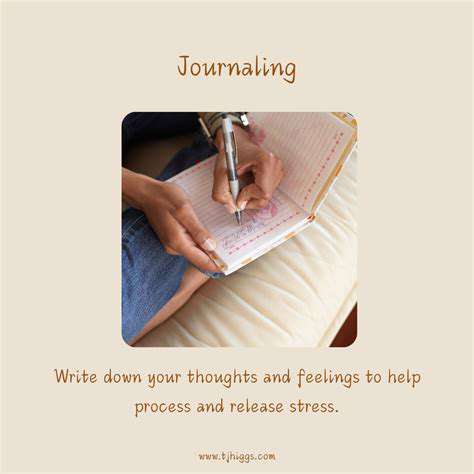
There are various methods to cultivate gratitude effectively. One approach is to maintain a gratitude journal, where individuals write down three things they are thankful for each day. Over time, this practice can significantly shift one’s overall mindset.

Additionally, expressing gratitude to others, whether through verbal communication or handwritten notes, strengthens social bonds. This can create a sense of community that often alleviates feelings of isolation and stress in a workplace.

The Impact of Gratitude on Workplace Culture

In professional settings, fostering a culture of gratitude can lead to improved morale and job satisfaction. Organizations that prioritize thankfulness often see increased employee engagement and reduced turnover rates. A positive workplace culture can be instrumental in combating burnout.

Incorporating gratitude into company values can encourage employees to support one another, reinforcing a team-oriented atmosphere that can be especially beneficial during high-stress periods.

Conclusion: Making Gratitude a Daily Habit

To effectively combat burnout, integrating gratitude into daily routines is vital. Simple practices, such as morning reflections or appreciation meetings, can shift focus from stressors to positive experiences.

Ultimately, making gratitude a habit not only enhances individual well-being but also contributes to a more supportive and resilient community. This proactive approach can lead to profound changes in one’s mental health, especially in today’s demanding world.

How Gratitude Can Help Combat Burnout Symptoms

HowGratitudeCanHelpCombatBurnoutSymptoms

Understanding Burnout and Its Symptoms

Burnout is more than just feeling tired; it's a chronic state of physical, emotional, and mental exhaustion. Symptoms often include fatigue, cynicism, and reduced efficacy in work-related tasks. Many individuals in high-stress jobs experience burnout without even realizing it. Recognizing these symptoms is the first step in addressing them effectively.

In fact, studies suggest that around 77% of professionals experience burnout at their current job, making it a universal issue that needs urgent attention. It's crucial for both employees and employers to understand the significance of addressing burnout proactively.

The Role of Gratitude in Mental Health

Gratitude has been extensively studied and found to have powerful benefits for mental health. Research indicates that regularly practicing gratitude can lead to increased happiness, improved health, and even better relationships. This emotional recognition has the potential to drastically shift our perceptions, helping individuals focus on positive aspects of their lives.

Neuroscience research backs this up, showing that gratitude activates regions of the brain associated with dopamine production, a key player in our brain's reward system. When we intentionally focus on gratitude, we can foster a mindset that's resilient against stressors.

How Gratitude Can Counteract Burnout

  • Improves emotional regulation
  • Fosters positive thinking
  • Encourages stronger social connections
  • Enhances self-reflection opportunities
  • Promotes a sense of accomplishment

By acknowledging what we are thankful for, we can actively combat negative feelings and thoughts that contribute to burnout. Studies show that maintaining a gratitude journal can serve as a reflective practice to monitor emotional shifts closely.

Establishing this practice can encourage a more positive outlook, effectively counteracting the typical narrative found in burnout situations. Those who embrace gratitude can cultivate resilience, which ultimately benefits both individual well-being and workplace dynamics.

Practical Ways to Cultivate Gratitude

Implementing gratitude doesn't have to be complicated. Simple practices like writing down three things you are grateful for each day can make a significant difference. Additionally, expressing appreciation to colleagues or friends can lead to a more supportive work environment.

Research has demonstrated that people who frequently express gratitude experience fewer symptoms of anxiety and depression. Creating rituals centered around gratitude—like weekly gratitude meetings—can build community and enhance morale.

The Science Behind Gratitude and Stress Reduction

Numerous studies have shown a direct correlation between gratitude practices and reduced levels of cortisol, the stress hormone. Engaging in gratitude exercises, such as meditation or writing letters of appreciation, has been linked to decreased stress responses and increased overall satisfaction.

Another important finding is that gratitude not only promotes psychological health but also improves physiological functions. Those who practice gratitude report better sleep and stronger immune responses, which are both vital when facing burnout.

The Impact of Gratitude on Workplace Culture

Gratitude can significantly influence workplace culture. Companies that actively promote gratitude tend to have higher employee engagement and lower turnover rates. By cultivating a culture of appreciation, organizations can create an environment where employees feel valued and motivated.

The shift toward a gratitude-oriented culture can lead to increased productivity and better team dynamics, ultimately benefiting the organization as a whole. In essence, fostering gratitude isn't just an individual practice; it can be a strategic business approach.

Future Research on Gratitude and Burnout

The intersection of gratitude and burnout is a growing field of research. Future studies are expected to explore longitudinal impacts of gratitude interventions in various workplace settings. Researchers aim to identify specific protocols that might enhance effectiveness in combating stress and Burnout Symptoms.

Understanding the nuances of how gratitude operates on both a personal and organizational level can help organizations develop targeted interventions. As this research evolves, it will be crucial for companies to adapt practices that not only combat burnout but also promote sustainable well-being.

Practical Ways to Incorporate Gratitude into Your Routine

Daily Journaling for Gratitude

Establishing a Daily Journaling Practice can be a transformative way to incorporate gratitude into your life. Set aside 10-15 minutes each day to write down at least three things you are grateful for. Research indicates that this simple act can increase overall well-being and decrease symptoms of anxiety and depression. Journaling not only helps to clarify your thoughts but also fosters a deeper appreciation for the positive aspects of your life.

Consider creating specific categories in your journal, such as personal achievements, relationships, or even small daily pleasures. This structure can make it easier to reflect meaningfully on different facets of your life, enhancing your ability to identify and express gratitude for those moments. Through consistency, you can develop a habit that helps reinforce a positive mindset and combats feelings of burnout.

Mindfulness Practices to Foster Gratitude

Integrating mindfulness into your daily routine can significantly enhance your capacity for gratitude. Engaging in activities such as meditation or mindful breathing exercises directs your focus towards the present moment. Research from the University of California has shown that individuals who practice mindfulness exhibit higher levels of positive emotions and greater feelings of gratitude. Moreover, these practices can mitigate stress and prevent burnout, making them vital for maintaining mental health.

Gratitude Reminders and Affirmations

Using visual reminders can be a simple yet powerful technique to stay connected with gratitude. Consider placing sticky notes around your home or workspace with positive affirmations or reminders of things you appreciate. This consistent exposure helps condition your mind to recognize gratitude on a more frequent basis. For instance, a note on your mirror that reads, I am grateful for my health can serve as a daily reminder of your well-being.

Additionally, affirmations can be incorporated into your morning routine, reinforcing your commitment to gratitude as you start your day. Research suggests that positive affirmations can shift your mindset, leading to better stress management. Making these small yet impactful changes can foster an environment where gratitude flourishes.

Engaging with Others through Gratitude

Connecting with others through acts of gratitude enhances both your well-being and theirs. Simple gestures, such as writing thank-you cards or expressing appreciation during conversations, not only strengthen your social relationships but also promote emotional resilience. Studies show that relational gratitude can improve the quality of interpersonal relationships, providing a buffer against feelings of burnout.

Setting Intentions for Gratitude

Setting intentions around gratitude is another practical way to make it a regular part of your life. Begin each week by outlining specific moments where you will consciously express gratitude, whether it's sharing with colleagues or thanking a family member. This strategy adds a layer of accountability, making you more mindful of integrating gratitude into your interactions.

Research has indicated that people who intentionally express gratitude experience less stress and an improved sense of community. By purposefully weaving gratitude into your routine and your interactions, you can create a cycle of positivity that not only impacts you but also uplifts those around you.

Building a Gratitude Habit for Long-term Change
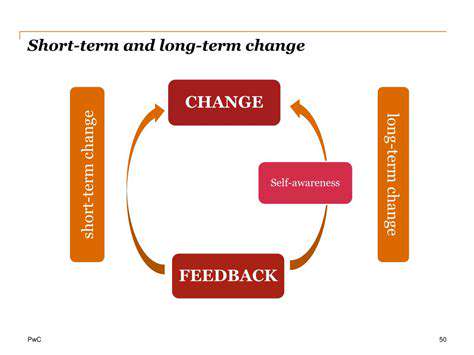
BuildingaGratitudeHabitforLong-termChange

Understanding the Science Behind Gratitude

Research has shown that practicing gratitude can lead to significant psychological benefits, including reduced symptoms of burnout. In a study published in the *Journal of Happiness Studies*, participants who engaged in daily gratitude exercises reported lower levels of stress and enhanced emotional well-being.

This phenomenon is explained through the release of neurotransmitters like dopamine and serotonin, which promote feelings of happiness. Consistently acknowledging what we are thankful for creates a positive feedback loop, helping to combat feelings of hopelessness often associated with burnout.

Daily Practices to Incorporate Gratitude

  • Keep a gratitude journal.
  • Share your gratitude with others.
  • Engage in mindfulness meditation.

One effective method is maintaining a gratitude journal. By writing down three things you're grateful for each day, you intentionally shift your focus away from stressors. This simple daily practice can have lasting effects on your mindset and resilience against burnout.

Additionally, sharing your gratitude directly with others can enhance connections and strengthen relationships, which are vital during stressful periods. Whether it’s a thank-you note or a verbal acknowledgment, expressing appreciation fosters a positive atmosphere in personal and professional environments.

Building a Support System

A strong Support System is critical when combating burnout. Engaging with friends or colleagues who prioritize gratitude can create a ripple effect, encouraging others to embrace the practice. Surrounding yourself with positive influences can reinforce your commitment to gratitude and help you stay accountable.

Moreover, support groups or workshops focused on gratitude can provide structured environments where individuals can share experiences and reinforce their gratitude practice together. This sense of community can make the journey easier and more enriching.

Tracking Progress and Outcomes

Measuring the effects of gratitude on burnout symptoms can deepen your understanding of its benefits. Keeping track of your mood and stress levels before and after starting a gratitude practice can be enlightening. According to a report from the American Psychological Association, individuals who regularly practice gratitude tend to experience higher life satisfaction scores over time.

Using self-assessment tools or applications designed for mental health can help you visualize your progress. Over time, these reflections may reveal a notable decrease in anxiety and an enhanced ability to cope with the pressures that cause burnout.

Overcoming Obstacles to Gratitude

Despite its benefits, practicing gratitude can sometimes feel challenging, especially during difficult times. Negative thoughts may cloud your ability to recognize what you are thankful for. Understanding these obstacles is essential for maintaining your gratitude practice, as awareness can enable you to navigate through them productively.

Consider establishing routines or prompts that can aid your memory. For example, pairing gratitude reflections with existing habits—like having your morning coffee—can trigger focus on the positives more consistently.

Long-term Benefits for Mental Health

The long-term benefits of integrating gratitude into your routine extend far beyond burnout prevention. Research indicates that gratitude fosters resilience, which helps individuals bounce back from challenges more effectively. A study in *Behaviour Research and Therapy* noted that participants who practiced gratitude regularly showed increased emotional intelligence and improved coping skills.

Furthermore, a lasting gratitude habit promotes overall mental health, decreasing risks of anxiety and depression. As you cultivate a mindset of appreciation, you may find that the impact on your mental well-being enhances not only your professional life but also your personal relationships and overall quality of life.

Read more about Using Gratitude to Reduce Symptoms of Burnout
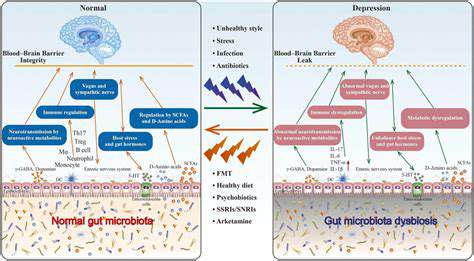
Understanding the Link Between Gut Health and Mental Health
May 01, 2025
A Comprehensive Guide The Importance of Understanding InflammationInflammation is the body’s natural defense against injury and infection. However, when it becomes chronic, it can have dire implications for your health. Various studies, including those published in *Nature Reviews* and the *Journal of Clinical Investigation*, highlight the connection between chronic inflammation and serious diseases such as heart disease, diabetes, and even cancer. Managing inflammation is essential for maintaining overall health and preventing these conditions. Chronic Inflammation and Chronic DiseasesResearch indicates that chronic inflammation can lead to tissue damage and impaired bodily functions, making it a significant risk factor for numerous health complications. Individuals with lower inflammation markers often report better health outcomes in conditions like rheumatoid arthritis and inflammatory bowel disease, emphasizing the necessity of controlling inflammation for long-term wellness. Mental Health and InflammationThe impact of inflammation extends beyond physical health, with recent studies connecting inflammation to mental health disorders, including depression and anxiety. Elevated levels of inflammatory markers in the body can exacerbate psychological issues, suggesting that mental health is intrinsically linked to physical states. Dietary Influences on InflammationYour diet plays a crucial role in managing inflammation. A nutrient-rich diet consisting of fruits, vegetables, whole grains, and healthy fats can significantly lower inflammatory markers. The Mediterranean diet, rich in omega-3 fatty acids, is particularly effective. Conversely, processed foods high in sugar and trans fats can trigger inflammation. Understanding how to read food labels empowers individuals to make healthier choices. Lifestyle Factors in Managing InflammationEngaging in regular physical activity and prioritizing sleep and stress management can mitigate inflammatory responses. Moderate exercise and mindfulness techniques, such as yoga, have been proven to lower inflammation levels. Establishing a consistent routine can yield long-lasting health benefits, promoting both physical and mental well-being. The Healing Power of GratitudePracticing gratitude has been linked to reduced inflammation, with studies showing that those who express gratitude exhibit lower levels of pro-inflammatory cytokines. Emphasizing gratitude not only enhances emotional well-being but can also translate into meaningful physiological changes. Implementing simple practices like gratitude journaling or regularly expressing thanks can foster a more positive outlook and potentially reduce inflammation. Conclusion: Holistic Management of InflammationIntegrating practices that reduce inflammation into your lifestyle—be it through a nutritious diet, physical activity, stress management, or gratitude—can significantly enhance your overall health and quality of life. The interconnectedness of mental and physical health underscores the importance of a comprehensive approach to wellness. Explore the benefits of regulating inflammation through simple lifestyle changes, and discover how gratitude may become a cornerstone of your health journey.By understanding and managing inflammation holistically, you pave the way towards a healthier, more vibrant life.
Mar 09, 2026
tune into your breath, feel the ground under your feet, and recognize the sounds and sights around you. Regular pauses to reflect can deepen your gratitude experience. Making Gratitude Part of Your Daily RoutineIntegrating gratitude walks into your schedule can dramatically boost your well-being. Create a gratitude journal to jot down daily appreciations. Additionally, expressing thanks through conversations or notes can enrich your relationships and foster a community valuing mutual appreciation. Practical Tips for Your Gratitude Walk- Choose the Right Environment: Select peaceful locations like parks or quiet trails, as natural surroundings can enhance mindfulness and gratitude.- Engage Your Senses: Focus on the colors, textures, and sounds around you to create a more immersive experience.- Reflect on Gratitude Themes: As you walk, mentally list what you appreciate—whether it's your health, relationships, or moments of joy. Establishing a Gratitude Walk RoutineStart small by dedicating 15 minutes, three times a week to gratitude walks. Use reminders to maintain consistency and deepen your practice over time. Engaging in walks as part of a community can also amplify the positive effects, allowing for shared experiences of appreciation. Conclusion: Long-Lasting Impacts of Gratitude WalksGratitude walks are not just an exercise; they are a journey toward enhanced well-being. By incorporating gratitude into your physical activities, you can enrich your emotional health and foster a more fulfilling life. Whether you're a casual walker or an exercise enthusiast, the simple act of walking with a grateful heart has the potential to transform your perspective and overall health. Start your journey today and experience the profound impacts of gratitude in movement.
Mar 10, 2026
The Brain's Messengers When we experience gratitude, our brain releases essential neurotransmitters like dopamine and serotonin. These chemicals keep us emotionally balanced, promoting feelings of happiness and resilience against stress, as indicated by studies in the journal Psychological Science. Additionally, oxytocin's release during gratitude fosters strong social bonds, vital for mental health. The Brain's Response Functional MRI scans reveal the activation of various brain regions when experiencing gratitude, such as the medial prefrontal cortex and anterior cingulate cortex. This activation correlates with emotional regulation and improved interpersonal relationships, reinforcing the notion that gratitude is not just a fleeting feeling but a tool for better mental health. The Impact on Mental Health The positive effects of gratitude extend to mental health, reducing anxiety and depression levels. Research shows that acknowledging thankful moments can shift our focus from negativity to positivity, promoting a balanced emotional state. Regular gratitude practices, such as journaling, can initiate significant long-term changes in brain activity and emotional resilience. Physical Health Benefits Interestingly, gratitude also influences physical health. Individuals practicing gratitude report fewer illness symptoms, better sleep, and lower blood pressure. This positive outlook encourages healthier lifestyle choices, illustrating the profound link between mental and physical health. Building Resilience Regular expressions of gratitude help build resilience against life’s challenges. Studies indicate that practicing gratitude can lead to a more robust support system and effective coping strategies, thus enhancing emotional resilience. Strengthening Social Connections Gratitude improves social bonds, crucial for emotional support. Research suggests that acknowledging others leads to enriched relationships and a deeper sense of belonging, creating a positive ripple effect in communities. Therapeutic Applications of Gratitude Therapists are increasingly using gratitude interventions, such as journaling or verbal appreciation, to help clients reframe negative thoughts. These practices have shown to elevate happiness and life satisfaction. Long-Term Perspective on Gratitude Engaging in gratitude practices consistently leads to lasting perspective shifts and emotional health improvements. Through ongoing practice, one can foster a culture of appreciation that benefits both the individual and the surrounding community. Implementing Gratitude in Daily Life 1. Daily Journaling: Take five minutes a day to record things you're thankful for. This simple act can foster mindfulness and enhance your perspective on life. 2. Gratitude Meditation: Incorporate gratitude into your meditation routine to alleviate stress and improve emotional regulation, promoting inner peace.3. Expressing Gratitude to Others: Strengthen relationships by expressing appreciation verbally or in writing, contributing to a supportive social network.In summary, integrating gratitude into daily practices not only enhances individual mental wellbeing but also reinforces community connections, making it a powerful tool for fostering both personal and societal resilience.
Mar 12, 2026
The Power of Gratitude in Your Health Journey Why Gratitude Matters for Your HealthDiscover the profound impact of gratitude on your health journey, supported by research from prestigious institutions like the University of California. Studies show that practicing gratitude can significantly improve mental well-being, reducing symptoms of anxiety and depression while enhancing overall life satisfaction. Those who embrace gratitude often make healthier lifestyle choices, demonstrating psychological resilience that can transform their health. Simple Practices for Daily GratitudeIntegrating gratitude into your daily routine is easier than you think. Start a gratitude journal and jot down three things you appreciate each day. This straightforward practice can lead to greater emotional well-being over time, setting a positive tone for your day and cultivating a healthy mindset. Physical Health Benefits of GratitudeGratitude isn't just an emotional booster; it has physical health benefits too. Grateful individuals experience improved sleep, lower blood pressure, and enhanced immune function. As you embark on your health transformation, this powerful emotional tool can help you recover better and maintain overall wellness. Uniting Gratitude and MovementCombine gratitude with physical activity to amplify your health journey. By appreciating your body and its capabilities, you are more likely to engage in exercise. Transform workouts from a chore into a celebration of what your body can achieve, whether it's running, dancing, or yoga. Strengthening Relationships through GratitudeExpressing gratitude can significantly enhance your relationships. Simple acts, like sending thank-you notes or verbally acknowledging someone's contribution, strengthen connections, creating a supportive environment vital for mental health. The benefits of shared gratitude extend beyond the individual, promoting social support and belonging. Navigating Gratitude During ChallengesWhile practicing gratitude can be immensely beneficial, it may be challenging during tough times. Acknowledge these difficulties and focus on finding small moments of appreciation. This approach allows you to cultivate a sustainable gratitude practice, fortifying resilience amid life's challenges. Integrating Movement into Daily LifeDaily movement is crucial for maintaining physical health and improving mental well-being. The World Health Organization recommends at least 150 minutes of moderate exercise each week. Discover simple ways to add movement to your routine, like taking the stairs, scheduling quick stretch breaks, and choosing enjoyable activities that keep you motivated. Tracking Progress and Community SupportUtilizing technology can help track your movement and gratitude goals, keeping you accountable and motivated. Engage with communities, both online and offline, to share your journey, celebrate milestones, and gain inspiration. Whether through fitness apps or local groups, connecting with others can enhance your commitment and enjoyment in your health transformation. Embrace the Journey of TransformationUnderstanding your mindset's importance in health transformation is key. Cultivating a growth mindset and practicing gratitude can significantly improve your ability to overcome challenges. Set realistic and attainable goals while celebrating small victories to maintain motivation and commitment. Furthermore, focusing on nutrition and building a strong support network will enhance your path to overall well-being.Embrace gratitude and movement as integral parts of your health journey, and watch as they transform not only your well-being but also your outlook on life.
Mar 13, 2026
The Impact of Digital Gratitude Apps on Mental Health
Mar 14, 2026
The Power of Mindfulness in Daily Life Discovering MindfulnessMindfulness is about being fully present in the moment, a practice rooted in ancient traditions but highly relevant today. With significant backing from research, particularly studies from Harvard Medical School, mindfulness helps reduce stress and improve emotional well-being. By cultivating awareness of our thoughts and feelings, we can regain control over our responses and foster gratitude amidst the chaos of daily life. The Intersection of Gratitude and MindfulnessGratitude is integral to enhancing mindfulness. By consciously acknowledging what we are thankful for, we shift our focus from negativity to positivity. Keeping a gratitude journal has been linked to higher levels of happiness and lower symptoms of depression. This practice encourages us to appreciate the little joys that often go unnoticed. Simple Ways to Incorporate Mindfulness DailyIntegrating mindfulness into our routines is essential for maximizing its benefits. Start with short sessions of mindful breathing to enhance awareness. Set reminders throughout your day to pause and reflect on what you’re grateful for, whether it’s a comforting cup of coffee or a pleasant interaction. Mindfulness apps can provide helpful guided sessions for busy lifestyles. The Scientific Basis for MindfulnessResearch supports the effectiveness of mindfulness. Meta-analyses indicate it can lead to moderate improvements in anxiety, depression, and chronic pain. Furthermore, neuroimaging studies reveal that consistent mindfulness practice can alter brain structures involved in emotional regulation and self-awareness. Debunking Myths Around MindfulnessCommon misconceptions can hinder mindfulness practices. Many believe it requires long commitments or equates to emptying the mind. In reality, mindfulness is about observing thoughts without attachment and engaging with the present moment. Understanding these nuances can help in adopting mindfulness realistically. Practical Tips for Mindfulness and GratitudeTo nurture mindfulness and gratitude, start or end your day with reflections on what you're thankful for. Engage in physical activities like yoga that promote both mental and physical well-being. Over time, these practices can help you notice even the smallest delights in your life. The Impact of Gratitude Journals on Mental HealthMaintaining a gratitude journal can greatly improve mental health. Studies show participants who journal their gratitude experience happiness boost and reduced depression levels. Choose a format that suits you, whether traditional pen-and-paper or digital, and commit to writing regularly to enhance emotional well-being. Creating Rituals and Sharing GratitudeEstablish daily rituals focused on gratitude to increase emotional resilience and community connection. Integrate gratitude-sharing in conversations or family meals, reinforcing a culture of appreciation. A gratitude jar can visually capture your positive experiences and encourage consistency in your practice. Overcoming Negative Thoughts with GratitudeTo combat negativity, begin identifying and challenging detrimental thought patterns. Engage in daily gratitude practices to shift your focus from the negative to the positive. Mindfulness techniques can also help in reframing negative thoughts, enhancing your overall perspective on life. Promoting a Positive EnvironmentPhysical space influences mood significantly. Maintain organized spaces and have visual gratitude reminders to inspire a more grateful mindset. Embracing self-compassion can bolster resilience while decluttering can enhance emotional well-being.By adopting mindfulness and gratitude into daily life, you can create a positive ripple effect, benefiting not only yourself but also those around you. Start small—practice gratitude daily and watch how it transforms your perspective and emotional health.
Mar 17, 2026
A Powerful PartnershipIncorporating mindfulness practices can amplify the benefits of gratitude. Being present in the moment allows individuals to appreciate the good aspects of their lives more fully. Techniques like meditation combined with gratitude reflections can lead to better emotional regulation and decreased anxiety levels. Practical Tips for Daily Gratitude PracticesImplementing gratitude into your daily life can be simple yet transformative. Keeping a gratitude journal, where you note down three things you are thankful for each day, can dramatically shift your mindset. Even just taking a few moments each day to express appreciation verbally strengthens social bonds and cultivates a positive atmosphere.Gratitude prompts, such as asking loved ones what they are grateful for, can help shift conversations towards positivity, fostering deeper emotional connections. The Long-term Impact of Adopting a Gratitude MindsetA gratitude mindset can have extensive long-term benefits not only for mental health but also for physical well-being. Many studies have indicated that individuals who regularly practice gratitude enjoy better health outcomes, such as lower blood pressure and improved immune function, ultimately enhancing their quality of life over time.In summary, the intersection of gratitude and mental health reveals a powerful mechanism for emotional resilience and well-being. By consciously integrating gratitude into daily routines, individuals can foster a healthier mind and richer relationships. Whether through journaling, expressing thanks, or practicing mindfulness, there are countless ways to cultivate gratitude and elevate overall quality of life.
Mar 18, 2026
Boosting Well-Being Through AppreciationDiscover the intriguing interplay between gratitude and our brain's neurobiology in this comprehensive exploration of how practicing gratitude can enhance mental health, strengthen relationships, and empower self-esteem. Research shows that gratitude not only releases feel-good neurotransmitters like serotonin and dopamine but also rewires our brain to foster a more positive outlook on life. Understanding the Neurobiology of GratitudeGratitude triggers vital neurobiological responses in our brain, enhancing mood and emotional security. Studies by Emmons & McCullough point out that gratitude journals lead to higher levels of positive emotions, significantly improving emotional well-being. Regularly engaging with gratitude can create lasting changes in how we perceive our lives. Psychological Benefits of Expressing ThanksThe simple act of expressing thanks brings a multitude of psychological benefits, including improved mood, increased social connectivity, and better physical health. Research highlights that acknowledgment of others' contributions can reduce negative emotions such as envy and frustration, promoting healthier interactions and relationships. The Connection Between Gratitude and Overall Well-BeingPracticing gratitude can lead to a remarkable shift in perspective. Studies indicate that those who maintain a gratitude routine experience lower levels of anxiety and depression, as well as enhanced energy levels. The emotional benefits of gratitude extend to physical health too, illustrating a holistic connection between emotional practices and overall well-being. Practical Ways to Cultivate GratitudeIntegrating gratitude into your daily life is simpler than you think. Consider writing thank you notes or maintaining a gratitude journal. By reflecting on the positives, even small ones, you can shift focus away from negativity. Furthermore, expressing gratitude directly to others can strengthen connections and spread positive energy. Cultivating Positive Relationships Through ThankfulnessThe significance of written gratitude cannot be overstated. Thank you notes reinforce social bonds and enhance mutual respect. Research shows that such notes have a profound effect on both the sender and the recipient, evoking greater emotional responses and fostering deeper connections. Enhancing Self-Esteem Through RecognitionRecognition plays a key role in shaping self-esteem. By acknowledging our own achievements and expressing gratitude toward others, we reinforce our sense of self-worth. Writing thank you notes not only conveys appreciation but strengthens the sender's positive self-image. Effective Techniques for Writing Thank You NotesTo maximize the impact of your gratitude, be specific in your notes. Timing also matters—send them promptly to ensure relevance and greater emotional effects. A handwritten note can add a personal touch that elevates the message.---Embrace gratitude as a powerful tool in your life. By implementing these practices, you can elevate your emotional health, strengthen relationships, and cultivate a positive self-image. Explore the profound impacts of gratitude today!
Mar 21, 2026
The Link Between Negative Self-Talk and Mental HealthNegative self-talk significantly impacts mental health, leading to feelings of inadequacy, anxiety, and depression. With over 70% of individuals experiencing negative self-talk regularly, understanding this internal dialogue is crucial for mental well-being. Understanding Negative Self-TalkNegative self-talk refers to critical inner dialogues that erode self-esteem. Individuals often find themselves trapped in patterns of despair, causing increased anxiety and even clinical depression. Recognizing these patterns and their triggers is vital for mental health management. The Impact of Negative Self-TalkThose who frequently engage in negative self-talk are at a higher risk for mental health disorders. Research shows a direct correlation between negative thoughts and escalating distress, leading to lower self-esteem and a sense of hopelessness. Awareness of these harmful thinking patterns can pave the way for effective intervention. Identifying TriggersCommon triggers of negative self-talk include stress, failure, and social interactions. By documenting these triggers, individuals can better understand their thought patterns, allowing them to implement effective strategies to counteract these negative cycles. Using Gratitude as a ToolPracticing gratitude offers a powerful antidote to negative self-talk. Studies indicate that gratitude can shift focus from criticism to appreciation, improving overall mood and self-esteem. Engaging in daily gratitude exercises, such as maintaining a gratitude journal, fosters a more positive perspective on life. Strategies to Combat Negative Self-TalkTo counter negative self-talk, employing Cognitive Behavioral Therapy (CBT) can be particularly effective. Techniques like reframing thoughts and using positive affirmations can reinforce healthier thinking. Mindfulness and meditation are also beneficial practices that can help individuals manage their internal dialogue. The Role of Support SystemsSupport systems, including friends, family, and mental health professionals, play a vital role in combating negative self-talk. Open discussions about self-talk can aid individuals in realizing they are not alone in their experiences, promoting healthier thought patterns and strengthening social bonds. ConclusionThe link between negative self-talk and mental health is profound. By identifying triggers, practicing gratitude, and employing effective strategies, individuals can combat detrimental thoughts and foster resilience. This collective approach promotes healthier self-dialogue, leading to improved mental well-being.By focusing on positive affirmations and developing a supportive social network, individuals can break free from the cycle of negative self-talk and cultivate a more positive self-image. Ultimately, transforming negative thought patterns into positive dialogues is essential for mental health and personal growth.
Mar 23, 2026
interpersonal gratitude, directed toward others, and personal gratitude, which focuses on self-reflection. *Studies indicate that practicing gratitude links directly to improved emotional health, greater life satisfaction, and reduced anxiety and depression rates*. Psychological Benefits of GratitudeResearch has shown that gratitude practices enhance psychological resilience. Individuals who regularly document what they are grateful for experience increased well-being and a more optimistic outlook on life. Beyond mood elevation, gratitude can help reduce stress and improve emotional regulation. Recognizing positives daily provides individuals with a buffer against life's challenges, paving the way for long-term mental health improvements. Simple actions, like maintaining a gratitude journal or expressing appreciation to others, can yield significant emotional benefits. Gratitude and Immune FunctionInteresting studies connect gratitude with immune health. Participants in gratitude research often show lower inflammation levels and improved immune markers. Those who express gratitude regularly tend to adopt healthier lifestyles, including better sleep and consistent exercise, directly benefiting their immune systems. Expressing gratitude not only positively impacts mental state but also strengthens the body's natural defenses. Cultivating a Gratitude PracticeDeveloping a gratitude practice is simple. Starting a gratitude journal can profoundly impact emotional wellness without requiring much time. Write down three things you appreciate each day, whether they’re people, experiences, or simple joys. You can also express gratitude directly to friends and loved ones, strengthening social bonds and enhancing emotional health. Impact on RelationshipsExpressing gratitude can enhance personal relationships. Studies find that partners who express appreciation report higher satisfaction levels, which fosters supportive and nurturing environments. This practice helps reduce resentment, creating a more harmonious atmosphere. Research Insights on Gratitude InterventionsVarious research studies confirm the positive impact of gratitude interventions on mental health. One randomized trial demonstrated that participants engaging in gratitude practices reported improved moods and lower depressive symptoms. By focusing on gratitude, individuals can successfully divert attention from negative experiences, demonstrating the potential of gratitude as a therapeutic tool. Practical Strategies for Daily IntegrationTo incorporate gratitude into daily life, consider designating specific times throughout your day for reflection. Sharing gratitude with others through group reflections or joint activities can enhance the connections within your community, fostering a supportive mental health environment. In summary, embracing gratitude in your daily routine can significantly influence not only your emotional well-being but also your physical health. By recognizing the importance of gratitude, you can cultivate a healthier mental state, which can ripple through all areas of your life. Whether through journaling, expressing appreciation, or forming collective gratitude habits, the benefits of gratitude are profound and far-reaching.
Mar 28, 2026
Embracing the Small Victories in Your Fitness JourneyIn any fitness journey, recognizing and celebrating small victories can dramatically improve your motivation, resilience, and overall experience. This guide explores how tracking progress through measurable indicators, celebrating non-scale victories, and building supportive communities can enhance your fitness efforts. Recognizing Progress Through Tangible IndicatorsTracking your fitness progress is an effective way to embrace small victories. Measurable indicators such as weight, body measurements, and performance metrics help visualize your accomplishments and motivate you to push further. Research from the American Journal of Preventative Medicine suggests that individuals who diligently track their fitness are more likely to achieve their health goals.Consider setting specific mini-goals—such as committing to regular gym attendance or increasing your workout endurance—as these lead to greater motivation and enjoyment in the fitness process. Celebrating Non-Scale VictoriesIt's essential to acknowledge that success isn’t solely measured by the number on the scale. Non-scale victories (NSVs) like increased energy, improved fitness performance, and fitting into old clothing can significantly boost your morale. Studies indicate that recognizing these milestones fosters a positive mindset, enhancing adherence to fitness routines.Focus on improvements in daily activities—whether it's climbing stairs easily or developing greater flexibility—to discover renewed enthusiasm for a healthy lifestyle. Creating a Supportive CommunityEngaging with a supportive community can amplify the impact of your fitness victories. By surrounding yourself with like-minded individuals, you can share experiences, set challenges, and celebrate successes together. Joining local gyms or participating in online fitness forums not only keeps motivation high but also fosters accountability, contributing to sustained behavior change.Consider organizing group activities like hiking or fitness classes to cultivate camaraderie and reinforce both individual and collective achievements. Learning from SetbacksSetbacks in fitness are common and can be disheartening. However, understanding them as natural occurrences can help build resilience. Analyzing the causes of setbacks instead of viewing them as failures enables you to make necessary adjustments moving forward.Maintain a flexible mindset and view setbacks as opportunities for growth. This approach allows you to keep progressing over time, even when faced with obstacles. Strategies to Overcome SetbacksImplement a structured plan to bounce back from setbacks by setting realistic, achievable goals. This builds confidence and provides a clearer roadmap for recovery. Additionally, maintaining a support network encourages you not to feel isolated during tough times.Regularly reassessing your progress through fitness journals or apps can provide insights into your journey, highlighting what changes may be necessary. Connecting with Community and Appreciating Your BodyBuilding a local support network is vital as it fosters accountability and enhances your fitness experience. Engage in community events, charity runs, or group workouts to promote camaraderie and shared experiences.Mindfulness and reflection play critical roles in your fitness journey. By acknowledging your body’s capabilities and focusing on positive aspects, you cultivate a healthier mindset. Celebrating small victories reinforces the idea that fitness is about personal growth, not just physical appearance.In conclusion, embracing small victories, learning from setbacks, and fostering community connections can transform your fitness journey into a more rewarding experience. With a positive mindset nurtured by gratitude and engagement, your path to wellness becomes a fulfilling endeavor.
Mar 30, 2026
View Publications>>

Hot Recommendations