Nutrition
Child Development
Family Bonding
Meal Planning
Family Dynamics
Children's Nutrition
Healthy Lifestyle

Healthy Eating Habits to Model for Your Children

fruits, vegetables, proteins, grains, and dairy. This variety not only makes meals interesting but also ensures that children receive a well-rounded diet, which is essential for their growth and development.

Encourage children to help with meal preparation, which can promote interest in trying new foods. Engaging them in choosing fruits or vegetables from the grocery store can empower their decisions, making them more likely to try unfamiliar dishes. It’s a practical step that contributes to long-term healthy eating habits.

According to the USDA, a colorful plate increases the likelihood of consuming essential nutrients. Make it a fun challenge to have a rainbow of colors on the table, which not only makes the meals visually appealing but also enhances the nutritional profile of what’s served.

Fostering Positive Conversations During Meals

Meal times should not only be about food; they are an excellent opportunity to engage in meaningful conversations. Studies show that family discussions during meals can lead to improved language skills and cognitive development in children. This time is perfect for sharing stories, discussing daily experiences, and cultivating a sense of belonging.

To foster this positive environment, you might initiate discussions by asking open-ended questions, encouraging input from every family member. For instance, discussing each person’s day or their favorite part of the meal can enhance interaction. Consider incorporating a rotating 'question of the week' to spark conversation and keep it interesting.

It’s essential to approach these conversations from a place of openness and respect. Avoid discussing sensitive topics that may lead to tension, focusing instead on lighthearted, positive discussions that contribute to a warm and welcoming family atmosphere during meals.

Teach Portion Control and Mindful Eating

Understanding Portion Sizes

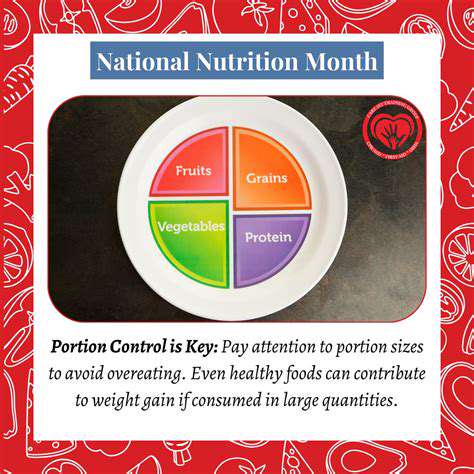
To instill a sense of Portion Control in children, it is essential to first explain what constitutes a proper serving size. Many kids may not have a clear understanding, leading to overeating or wasting food. Research suggests that using visual aids, such as portion size charts or everyday objects (like a fist for a cup of vegetables), can effectively demonstrate appropriate serving sizes to children.

Experts recommend starting by educating children about the different food groups and their respective serving sizes. The USDA's MyPlate guidelines specify that children aged 4 to 8 should typically consume 1 to 1.5 cups of fruits and 1 to 1.5 cups of vegetables daily. This information can provide a concrete framework for discussing portion sizes during meals.

Encouraging Mindful Eating Practices

Mindful eating emphasizes being present during meals, focusing on the food itself, and paying attention to hunger cues. Encourage children to engage with their food by describing its colors, textures, and smells. Research has shown that this practice can significantly influence eating habits, with a study published in the Journal of Nutrition Education and Behavior indicating that mindful eaters are more likely to make healthier food choices.

Another aspect of mindful eating is teaching kids to listen to their bodies. Encouraging them to ask themselves questions like, Am I hungry or just bored? helps develop self-awareness around eating. This practice can also reduce emotional eating, a common challenge among children and adolescents.

In practical terms, creating a distraction-free eating environment can facilitate mindful eating. This includes turning off screens and focusing on the meal, which not only enhances enjoymentbut also can make it easier to recognize satiety cues.

Practical Tips for Implementation

Incorporating portion control and mindful eating within your family's routine doesn't have to be overwhelming. Start by involving your children in meal planning and preparation. Research has shown that kids who participate in cooking are more likely to try new foods and practice portion control naturally.

Setting regular meal times can also foster these habits. Children thrive on routine, and having set times to eat can help them tune into their hunger signals. It's also beneficial to serve meals family-style, where everyone can take their own portions from shared dishes. This not only promotes portion awareness but also encourages social interaction around food.

Finally, modeling these behaviors yourself is perhaps the most effective approach. Demonstrating balanced eating habits, discussing portion sizes openly, and practicing mindful eating will reinforce these lessons for your children. Ultimately, the goal is to create an environment where healthy eating is normalized and supported within the family dynamic.

Lead by Example: Model Healthy Choices

LeadbyExample:ModelHealthyChoices

Understanding the Importance of Modeling

Children learn best through observation, absorbing behaviors and habits from their parents and caregivers. It's essential to understand that they often emulate what they see rather than what they hear. When parents model healthy eating habits, it significantly increases the likelihood that their children will adopt similar behaviors.

Research supports this notion; a study published in the Journal of Nutrition Education and Behavior found that children with parents who engaged in healthy eating were more likely to consume fruits and vegetables themselves. The parents’ actions directly influence their dietary choices, demonstrating that living by example is key.

Making Healthy Foods More Appealing

Creating an inviting atmosphere around healthy foods can engage children's curiosity. Instead of presenting fruits and vegetables as mere side dishes, consider making them the centerpiece of meals. Incorporate fun presentations, like arranging fruit in creative shapes or creating colorful salads that draw attention. Seeing these healthy options displayed appealingly can spark interest in trying them.

Involving children in the cooking process can also enhance their willingness to try new foods. When kids help wash, measure, or prepare ingredients, they gain ownership of the meal, which can lead to greater acceptance of healthy dishes.

  • Engage children in meal prep to increase their enthusiasm for healthy foods.
  • Present fruits and vegetables attractively to arouse their interest.
  • Consider themed meals that incorporate various healthy items.

Establishing Routine Family Meals

Regular family meals contribute positively to children's development and eating habits. When families come together for meals, it creates an opportunity for bonding and discussing healthy food choices. These routines increase the likelihood that children will adopt healthier eating throughout their lives. It’s suggested that families aim for at least one meal together each day to foster open conversations about food.

Using this time to model positive eating behaviors, such as trying new dishes or discussing the importance of nutrition, can greatly influence children’s perspectives on food. As a result, children learn to savor their meals rather than rush through them, promoting healthier portion control and food appreciation.

Encouraging Balanced Choices

Another vital aspect of modeling healthy choices is teaching children about balance and moderation. Instead of categorizing foods as good or bad, guide them in understanding how to enjoy various foods within a balanced diet. Explain that occasional treats can be enjoyable parts of life, but they should not dominate their consumption.

Using visual aids, like the MyPlate diagram, can help children grasp the concept of balanced eating. It clearly demonstrates how to fill their plates with various food groups, including fruits, vegetables, grains, and protein. Emphasizing balance fosters a healthier relationship with food and encourages mindfulness in their eating habits.

The Role of Physical Activity

In addition to diet, physical activity plays a crucial role in modeling a healthy lifestyle. Encourage spontaneous family activities that engage everyone, such as biking, hiking, or even dancing at home. By participating together, you are actively promoting the importance of physical fitness while having fun.

Research shows that when parents are active, their children are more likely to be active as well. Incorporating physical activity into daily routines normalizes it and helps children understand its importance for their overall health. Families that prioritize both healthy eating and active living create a comprehensive foundation for their children's lifelong health.

Read more about Healthy Eating Habits to Model for Your Children
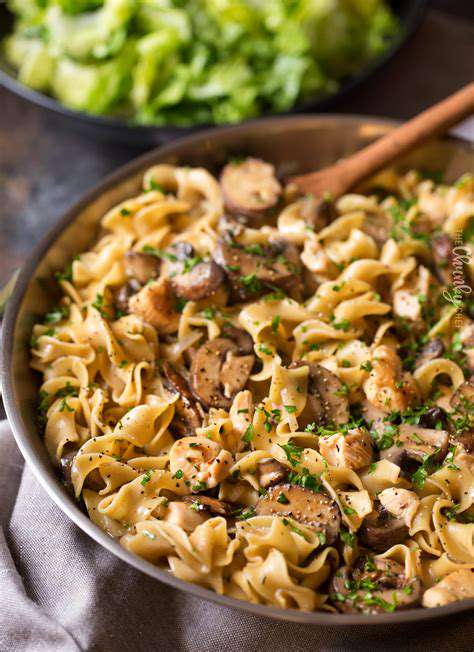
Light OptionsLight desserts like chia seed pudding or baked apples can add a sweet touch to your dinner without compromising your health. Focus on fresh fruits, Greek yogurt, and whole grains to create guilt-free indulgences that support your weight loss goals.---By incorporating these dishes into your meal routine, you can create delicious, nutrition-packed dinners that are satisfying and beneficial for your overall health. Enjoy your journey toward a healthier lifestyle!
Apr 23, 2025
Best Habits for Boosting Your Creativity
May 31, 2025
A Nutritious and Flavorful DishDiscover the benefits of a hearty Chicken and Vegetable Stew, a perfect meal for those seeking to balance taste with nutrition. Utilizing lean chicken breast, a variety of colorful vegetables, and low-sodium chicken broth, this stew is not only satisfying but promotes a healthier lifestyle by aligning with weight loss goals. Ingredients for a Nutritious StewCraft this delicious stew using essential ingredients such as lean chicken breast—rich in protein and low in fat—as well as vibrant vegetables like carrots, zucchini, and bell peppers, packed with vitamins and minerals. Enhance the flavor with fresh herbs like thyme and rosemary, while maintaining low sodium levels with broth. Legumes, such as lentils, can be added for an extra boost of fiber and protein, making this dish an excellent choice for anyone focusing on health. Preparation Tips for Slow CookingPreparation is crucial when making a successful slow cooker stew. Start by evenly chopping all vegetables and searing the chicken to lock in flavor before layering them in the slow cooker. Remember to place heartier veggies at the bottom to ensure everything cooks evenly. Cooking on low allows the flavors to meld beautifully, producing a savory meal that’s perfect for any occasion. Nutrition Benefits of the StewThis healthy stew is abundant in nutritional benefits. The lean protein from chicken supports muscle maintenance, while the diverse vegetables provide dietary fiber essential for digestive health. Research shows that diets high in vegetables and lean proteins can contribute to lower body mass index (BMI) and reduce chronic diseases. Serving Suggestions and VariationsServe this delicious stew with whole-grain bread or a fresh salad to enhance its nutritional value. Feel free to mix seasonal vegetables for variety and consider adding spices like cayenne for a bit of heat. Garnishing the stew with fresh herbs or a squeeze of lemon can elevate the flavor profile even more.--- Quinoa and Black Bean Chili: A Hearty and Healthy DelightDive into the rich flavors of Quinoa and Black Bean Chili. Made with nutrient-dense ingredients like quinoa and black beans, this dish is ideal for weight management, offering both deliciousness and health benefits. Health Benefits of Quinoa and Black Bean ChiliQuinoa serves as a complete protein while black beans deliver valuable fiber and antioxidants known to enhance heart health and digestion. Loaded with vitamins from various vegetables, this chili can help keep you full longer and assist with weight management.--- Vegetable and Lentil Soup: Heartwarming and NutritiousStart your journey to better health with Vegetable and Lentil Soup. This nutrient-dense dish is perfect for anyone aiming for a fulfilling meal with minimal calories. Ingredients That MatterUsing fresh vegetables and lentils ensures maximum flavor and nutrition. Ingredients like carrots, bell peppers, and low-sodium vegetable broth contribute to a deliciously wholesome soup.--- Slow Cooker Spaghetti Squash with Marinara Sauce: Light and FlavorfulEnjoy a guilt-free meal with Spaghetti Squash paired with Marinara Sauce. This dish is a fantastic low-calorie option that offers essential nutrients without compromising on taste. Serving Suggestions for Weight LossServe your spaghetti squash topped with fresh basil or a sprinkle of parmesan for added flavor. Pair it with a side salad for a balanced meal that satiates without overindulging.--- Mango Coconut Chia Pudding: A Delightful SnackFor something sweet yet nutritious, indulge in Mango Coconut Chia Pudding. Loaded with omega-3 fatty acids and fiber, it makes for a great snack while supporting your weight loss journey. Incorporating Pudding into a Weight Loss PlanThis pudding can help curb cravings and maintain energy levels throughout the day. Integrated with a balanced diet, it acts as an excellent meal replacement or a healthy snack option.---Explore these nutritious recipes to support your health and weight management goals while enjoying delicious meals that your whole family will love!
Feb 28, 2026
ALA, EPA, and DHA. While ALA primarily exists in plant sources like flaxseeds, EPA and DHA are found in fatty fish such as salmon and mackerel. Research consistently underscores their importance in maintaining heart health, reducing inflammation, and supporting cognitive function. Regular consumption of omega-3s correlates with a decreased risk of cardiovascular diseases, according to a study published in the Journal of the American College of Cardiology. Anti-Inflammatory EffectsOmega-3s are known for their anti-inflammatory properties. By reducing inflammatory markers in the body, they can alleviate symptoms of chronic conditions such as arthritis. Incorporating omega-3s into your diet through fatty fish or plant-based sources can significantly improve joint health and mobility, making them beneficial for conditions like osteoarthritis. Dietary Sources of Omega-3sIncorporating omega-3 fatty acids into your meals is simple. Aim for two servings of fatty fish weekly, and for vegetarians, consider sources like chia seeds and walnuts. Algal oil is also an excellent alternative for those avoiding animal products. Fortified foods, such as certain dairy products and eggs, offer additional options for increasing your omega-3 intake. Fruits, Vegetables, and Pain ReliefFruits and vegetables provide an arsenal of nutrients essential for combating inflammation. Berries, leafy greens, and citrus fruits are particularly effective. Blueberries, for example, are packed with antioxidants, while leafy greens like spinach and kale offer anti-inflammatory benefits due to their high vitamin K content. Incorporating these foods into your diet can help reduce chronic pain and improve overall health. Antioxidant-Rich FoodsCherries and avocados also have significant anti-inflammatory effects. Cherries can aid in reducing pain related to conditions like arthritis, while avocados are rich in healthy fats and fight inflammatory responses. Spices and Whole Grains: Hidden GemsDon’t overlook spices! Curcumin from turmeric and ginger can significantly reduce inflammation. Studies have shown that turmeric can be as effective as certain medications for chronic pain without the side effects. Whole grains, like quinoa and brown rice, further support health by lowering inflammation and providing necessary nutrients. Meal Planning for Anti-Inflammatory BenefitsWhen planning meals, incorporate a variety of anti-inflammatory ingredients. Start with a whole grain base, add a serving of lean protein, and top it off with colorful veggies. Cooking in bulk can simplify meal prep and make it easy to stick to an anti-inflammatory eating plan. Consistency & CommunityStaying committed to an anti-inflammatory diet can be rewarding but requires effort. Set realistic goals, and keep a food journal to track your progress. Join communities that share recipes and success stories to keep you motivated along your journey toward better health.In summary, adopting omega-3 fatty acids and anti-inflammatory foods can transform your health. Embrace a diverse diet rich in these powerful nutrients, and you’ll be on your way to a healthier, pain-free life.
Mar 01, 2026
Key Strategies for SuccessAre you feeling stuck in your running routine? Whether you aim to improve your speed, build strength, or recover better, our guide offers essential strategies to help elevate your performance and break through training plateaus. 1. Reassess Your Training PlanStart by evaluating your current training regimen. Are you balancing speed work with long runs? Implement varied techniques like tempo runs and intervals weekly to stimulate improvements. Don’t forget to keep a training log to track your progress and recognize patterns. Recovery ProtocolsRecovery is key to enhancing your performance. Implement active recovery practices such as light jogging or yoga, ensure you have rest days, and focus on proper hydration and nutrition. Adequate recovery allows your body to repair and strengthens your resilience. 2. Focus on Strength TrainingIntegrating strength training into your running regimen can lead to significant improvements. Focus on major muscle groups that aid running, such as legs and core. Plan workouts 2-3 times a week to build power and durability, helping you run faster while minimizing injury risks. 3. Prioritize Recovery and NutritionRecovery cannot be overlooked. It's essential for muscle rebuilding and performance enhancement. Make sure to consume the right balance of protein, carbohydrates, and hydration post-workout. Active recovery techniques can further accelerate your recuperation. 4. Set Specific Goals and Track ProgressSetting SMART (Specific, Measurable, Achievable, Relevant, Time-bound) goals is crucial. Instead of vague aspirations, define clear targets that keep you accountable. Regularly reassess your goals, and use training logs to track your performance and make informed adjustments. 5. Engage with the Running CommunityJoining a running community, whether local or online, can boost your motivation and offer invaluable insights. Participate in group runs, workshops, and volunteer at races to deepen your connection to the sport while surrounding yourself with like-minded individuals. ConclusionImplementing these strategies can propel your running journey forward, helping you achieve both personal and performance goals. Remember, progress is a continuous journey, and engaging in community support can enhance your experience along the way. Ready to take your running to the next level? Explore our comprehensive guide for detailed insights and start breaking through those performance barriers today!
Mar 04, 2026
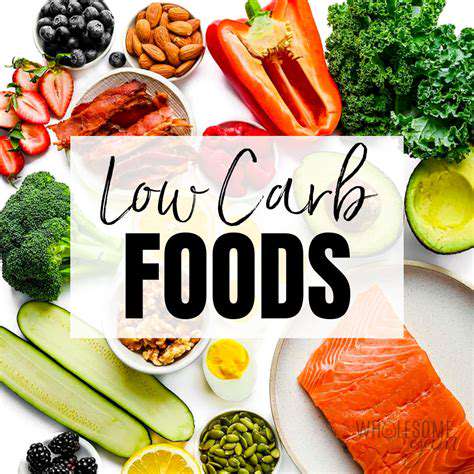
The Ultimate Guide to a High-Protein, Low-Carb DietIn recent years, the high-protein, low-carb diet has gained significant popularity among those seeking effective weight loss strategies and improved overall health. This approach is designed to provide numerous benefits, including enhanced satiety, muscle preservation during weight loss, better blood sugar regulation, improved body composition, and increased energy levels. Benefits of a High-Protein, Low-Carb Diet Enhanced Satiety and Appetite ControlResearch shows that protein is highly effective at curbing hunger compared to carbohydrates and fats, leading to reduced cravings and enhanced feelings of fullness. This mechanism is particularly beneficial for those trying to lose weight, as incorporating protein-rich foods — such as lean meats, eggs, and legumes — can help control snacking and reduce caloric intake. Muscle Preservation During Weight LossMaintaining lean muscle mass is crucial when shedding pounds. Studies indicate that higher protein intake can aid in muscle preservation during caloric deficits, which is essential for all individuals, especially older adults engaging in physical activities. Blood Sugar RegulationA high-protein, low-carb diet can help stabilize blood sugar levels. By limiting carbohydrates, many individuals experience improved insulin sensitivity, which is particularly advantageous for those with type 2 diabetes. Improved Body CompositionResearch suggests that this dietary approach leads to significant fat loss while preserving muscle mass. Enhanced body composition not only aids in weight loss but also boosts self-esteem and adherence to a healthy lifestyle. Increased Energy LevelsMany adherents of high-protein, low-carb diets report higher energy levels due to stable blood sugar levels and improved metabolic efficiency. With protein-rich foods providing sustained energy, individuals are better equipped for daily activities and exercise. Essential Ingredients and Cooking Tips Key Protein SourcesFocus on lean meats like chicken, turkey, and fish, as well as plant-based proteins such as tofu and legumes. These foods are nutrient-dense, low in carbs, and help meet daily protein requirements without compromising dietary goals. Healthy Fats MatterIncorporating healthy fats from foods like avocados and nuts is essential for overall nutrition. These fats enhance flavor and promote satiety, making them a crucial part of your meals. Low-Carb VegetablesUtilize low-carb, nutrient-dense vegetables such as spinach and zucchini to add volume and essential nutrients to your dishes without adding excessive calories. Flavoring Your DishesMake your meals enjoyable by using herbs and spices. Natural flavor enhancers, like lemon juice and vinegar, can elevate your dishes without the addition of carbs. Meal Planning for SuccessCreating a structured meal plan is vital for adhering to a high-protein, low-carb diet. Focus on incorporating diverse protein sources, various cooking methods, and prepped snacks to keep cravings at bay. Monitoring ProgressTrack your food intake and adjust protein and carb ratios based on your body’s responses to ensure ongoing success and motivation. Avoiding Common PitfallsStay hydrated, read labels carefully, and ensure your approach is balanced to prevent cravings and sustain long-term adherence to your goals.By understanding the benefits of a high-protein, low-carb diet and adopting practical strategies, individuals can embark on a path to better health and successful weight loss. Explore delicious recipes and engage in meal planning to unlock the full potential of this dietary approach.
Mar 09, 2026
Discover Nutritious and Delicious Vegetarian RecipesExplore an array of flavorful vegetarian dishes designed to nourish both body and soul while supporting your health goals. Here’s a delightful guide, featuring a variety of nutrient-packed meals that are as satisfying as they are wholesome. 1. Wholesome Quinoa and Black Bean SaladThis vibrant salad is rich in protein and fiber, making it a perfect choice for anyone looking to enjoy a nutritious meal that also aids in weight management. Packed with ingredients like quinoa, black beans, and fresh vegetables, it not only bursts with flavor but boosts your energy levels too. Tips for customization allow you to add seasonal veggies, enhance flavors with spices, and adapt the recipe to fit your individual taste. Ideal for meal prep, this salad stays fresh for up to three days! 2. Zucchini Noodles with Pesto and Cherry TomatoesSay goodbye to traditional pasta with these delightful zucchini noodles, also known as zoodles. Quick to prepare and naturally low in calories, they serve as a fantastic base for a homemade pesto sauce—rich in flavors while keeping it healthy. This dish is further elevated with juicy cherry tomatoes, creating a satisfying meal that’s perfect for lunch or dinner. Experience versatility by adding proteins like grilled chicken or chickpeas, making this dish suitable for various dietary preferences. 3. Spicy Chickpea and Spinach StewFor a warm and comforting option, this Spicy Chickpea and Spinach Stew strikes the perfect balance between flavors and health benefits. Rich in protein and fiber, chickpeas paired with nutrient-laden spinach and aromatic spices result in a hearty meal that not only satisfies your hunger but also supports your health goals. Easy to customize, you can incorporate your favorite vegetables to keep each bowl fresh and exciting. 4. Lentil and Vegetable Stir-FryEnjoy a rainbow of vegetables with a hearty base of lentils in this delicious stir-fry. Quick to prepare, this dish delivers essential nutrients and a variety of flavors thanks to its diverse ingredient list. The inclusion of garlic and ginger adds an extra layer of health benefits while maintaining vibrant textures. Feel free to personalize it with seasonal vegetables to make it a go-to recipe for busy weeks. 5. Avocado and Tomato ToastThis simple yet flavorful avocado and tomato toast makes for a perfect snack or light meal. Avocados provide healthy fats known for promoting heart health, while tomatoes add an explosion of taste and essential vitamins. Easy to prepare, this dish allows room for creativity—experiment with different breads and toppings such as feta cheese or a poached egg to cater to your taste.---Each recipe featured not only highlights tastiness but also a commitment to health. From salads and stir-fries to zoodles and toast, these dishes prove that vegetarian meals can be both delicious and satisfying. Perfect for anyone seeking to enhance their culinary skills while maintaining a focus on nutrition, these recipes are sure to become staples in your kitchen.
Mar 10, 2026
A Comprehensive GuideAre you a long-distance runner looking to optimize your performance and recovery? Understanding the crucial role of macronutrients—carbohydrates, proteins, and fats—can significantly enhance your athletic journey. In this guide, we explore the importance of each macronutrient, hydration strategies, and the timing of nutrition tailored specifically for endurance runners. Carbohydrates: The Foundation of EnergyCarbohydrates are the primary energy source for runners. Aiming for 60-70% of your diet to consist of carbs is essential, especially during intensive training sessions. Complex carbohydrates from whole grains, fruits, and vegetables ensure a steady energy release, essential for prolonged exercise. Pre-race meals should include energy-rich options like brown rice and sweet potatoes to fuel your long runs effectively. Protein: Essential for RecoveryPost-run, protein becomes pivotal for muscle recovery. Consuming around 1.2 to 1.4 grams of protein per kilogram of body weight daily can help heal micro-tears in your muscles. Foods rich in protein such as lean meats, fish, and plant-based options should be included in your post-exercise meals, ideally in combination with carbs for optimal recovery. Healthy Fats: An Overlooked Energy SourceDon’t underestimate the power of healthy fats in your diet. While they serve as a secondary energy source, unsaturated fats play a key role in nutrient absorption and hormone production. Incorporating sources like avocados and nuts helps maintain balanced energy levels, especially during low-intensity exercises or long runs. Hydration: The Unsung HeroHydration is critical for performance and recovery in long-distance running. Aim to drink fluids regularly—before, during, and after your workouts. Electrolyte-rich sports drinks are beneficial during longer runs to replace lost salts and maintain hydration balance. Monitoring urine color can be a simple way to gauge your hydration levels and adjust accordingly. Timing Your NutritionThe timing of your macronutrient intake can influence your performance. Consuming carbohydrates and protein within 30 minutes post-exercise aids in recovery, while a balanced meal before your run can set you up for success. Experimenting with your nutrition strategy and consulting with a sports dietitian can help tailor a plan that suits your unique physiology. Listening to Your BodyRecognizing the signals your body sends is crucial for any athlete. Signs of fatigue, soreness, or even hunger can indicate when adjustments to training or nutrition are necessary. Stay attuned to your body's needs to optimize performance and reduce injury risk. Mindful Mental HealthLastly, don't neglect mental well-being. Techniques like mindfulness, goal setting, and stress management can enhance focus and motivation. Remember to take adequate rest and prioritize sleep, as recovery is as vital as your training itself.---By understanding and effectively managing your macronutrient intake, hydration, and mental health, you can significantly improve your long-distance running performance. Whether you're prepping for your next marathon or simply looking to enhance your overall running experience, this comprehensive guide equips you with the knowledge needed to excel.
Mar 12, 2026
Embrace the Power of Portion Control Mastering Portion Control in Your Diet Are you struggling to manage your weight while still enjoying delicious meals? Understanding the principles of portion control is crucial for effective weight management. This guide delves deep into how simple adjustments can help regulate your calorie intake and foster healthy eating habits. The Basics of Portion ControlPortion control is vital for weight loss; it involves balancing the quantities of food you consume. With serving sizes on the rise in America, becoming aware of portion demarcations is more important than ever. By mastering portion sizes, you can enjoy your meals while keeping excess calories in check. Visual Cues and Practical ToolsUsing visual cues like your palm or measurements like cups and spoons simplifies portion control. A serving of meat roughly matches the size of your palm, and a handful can guide your portion of pasta. Discover how common kitchen items can serve as effective measurement tools, making it easier to cook and manage portion sizes accurately. Embrace Mindful EatingMindful eating habits are key in controlling your portions. By being present during meals, chewing slowly, and savoring your food, your body can better recognize feelings of fullness, thus preventing overeating. Additionally, tracking your meals in a food diary can help nurture mindfulness around your eating patterns. Meal Planning and Healthy SnackingMeal planning is essential to align your food intake with your health goals. Preparing meals in advance provides structure, reducing the temptation for unhealthy last-minute choices. Incorporating nutritious snacks like sliced veggies or Greek yogurt can also help satisfy cravings without compromising your diet. Enhance Flavor Without Extra CaloriesSeasoning your meals with herbs and spices not only enhances flavor but also supports your health goals by avoiding unnecessary calories. Learn the art of cooking techniques that maintain nutrients and amplify flavors, making healthy food exciting and enjoyable. Recognizing Hunger CuesListening to your body’s hunger cues is crucial for effective portion control. Differentiate between physical hunger and emotional cravings. Engaging in mindful eating and drinking ample water can help ensure you eat in response to true hunger rather than emotional triggers. Take Steps Towards a Healthier YouEmbark on your journey of mindful eating and portion control to create lasting changes in your health. By integrating these practices, you can cultivate a balanced diet, effectively manage your weight, and enjoy the process of cooking. Explore more insights into meal planning, portion control, and mindful eating to revolutionize your approach to health today!
Mar 17, 2026
A Comprehensive Guide What is the Keto Diet?The ketogenic diet, or Keto Diet, is a high-fat, low-carbohydrate meal plan designed to shift your body into a state of ketosis, where fat is burned for energy instead of carbohydrates. This dietary approach typically consists of approximately 70% fat, 25% protein, and just 5% carbohydrates, leading to significant weight loss and increased energy levels. Besides weight loss, the keto diet can provide various health benefits, including improved blood sugar control and reduced hunger. Essential Foods for Keto CookingSuccessful keto cooking relies on the right ingredients. Stock your pantry with:- Healthy Fats: Avocado, olive oil, coconut oil.- Low-Carb Vegetables: Spinach, broccoli, zucchini.- Protein Sources: Meat, fish, eggs, cheese.These foods enhance flavors and keep you satiated longer, making it easier to maintain the diet. Common Pitfalls to AvoidMany people mistakenly consume too many carbs on a keto diet. Reading food labels is vital. Neglecting hydration and electrolytes can lead to the keto flu. It’s essential to drink plenty of water and consider electrolyte supplements during the transition to ketosis. Tips for Transitioning to Keto1. Gradual Carbohydrate Reduction: Easing into ketosis can help your body adapt.2. Meal Prepping: Planning ahead ensures keto-friendly options are available and reduces the temptation of high-carb foods.3. Stay Informed: Learning about the keto diet enhances your cooking and keeps you motivated. Choosing the Right IngredientsUnderstanding macronutrients is crucial for achieving ketosis. Prioritize quality fats such as avocados and fatty fish—these support hormone regulation and nutrient absorption while avoiding processed fats that compromise your diet's benefits. Low-carb vegetables should fill your plate to maximize fiber intake, and smart ingredient substitutions can help lower carb counts in recipes. Simple Keto Recipes for BeginnersBegin your keto journey with easy recipes:- Breakfast: Scrambled eggs in butter with avocado or chia seed pudding topped with nuts.- Lunch: A salad with leafy greens, grilled chicken, olives, and olive oil dressing.- Dinner: Zucchini noodles topped with marinara sauce and ground meat.- Snacks: Cheese sticks or homemade fat bombs to keep cravings in check. Meal Prepping for Keto SuccessMeal prepping helps maintain dietary adherence. Select recipes high in healthy fats and low in carbohydrates. Utilize proper kitchen tools, like quality food storage containers and slow cookers, to make meal prep efficient. Overcoming Challenges and Staying MotivatedSet realistic goals, engage with support systems, and use dietary tracking apps to simplify your keto journey. If setbacks occur, view them as lessons rather than failures. A structured approach to regaining your footing can promote long-term success and a balanced relationship with food.---By understanding the keto diet basics, selecting the right ingredients, and employing effective meal planning strategies, you can successfully transition into a sustainable keto lifestyle. Embrace the journey towards weight loss and improved health with confidence!
Mar 18, 2026
The Key to Healthy SnackingUnderstanding portion sizes is crucial for effective snacking. Many people underestimate how much they consume, leading to excessive calorie intake. Use smaller serving bowls and pre-portion snacks to manage your portions effectively. Staying Hydrated: A Simple Healthy HabitStaying hydrated plays a pivotal role in health and weight management. Drinking water can curb appetite and help with weight loss; it’s recommended to drink at least 8 glasses daily. Recognizing signs of dehydration, like thirst and fatigue, can help maintain balance and focus throughout your day. Making Healthy Snack Choices in the OfficeUnderstanding nutritional labels on packaged snacks is vital for making healthier choices at work. Many snacks that seem healthy may contain hidden sugars or unhealthy fats. Prepare nutritious office snacks like fresh fruits and yogurt to stay on track with your health goals.In conclusion, healthy snacking is a powerful strategy for weight loss when approached thoughtfully. By choosing nutrient-dense options, timing your snacks wisely, and practicing mindful eating, you can effectively support your weight management journey while enjoying a variety of flavors and textures.
Mar 18, 2026
A Comprehensive Guide for RunnersAs you grow older, maintaining your running speed requires a strategic approach that combines consistent training, effective recovery, and sound nutrition. This guide provides essential strategies designed to help aging runners excel while minimizing injury risks. Emphasize Consistency in Training Establish a Regular Running ScheduleCreating a consistent running routine is vital. Aim for three to four sessions weekly, ideally scheduled in the morning to jumpstart your day. Use running apps or journals to track progress and celebrate milestones for motivation. Prioritize Recovery Time Between SessionsRecognizing the importance of recovery is crucial. Incorporate rest days and low-impact activities like walking to prevent injuries and promote longevity in your running journey. Incorporate Strength TrainingAdding strength training can significantly improve running efficiency. Focus on core stability and leg strength with exercises like squats and lunges. This approach not only enhances performance but also prevents age-related muscle loss. Focus on NutritionNutrition plays a critical role in your running ability. Fuel your body with balanced meals including complex carbohydrates, lean proteins, and healthy fats. Stay hydrated to support performance and recovery. Set Realistic GoalsEstablish achievable running goals tailored to your current fitness level. Whether it's completing a 5k or improving your pace, clear objectives can keep you focused and motivated. Engage with a Running CommunityJoining a running group can bolster commitment and motivation. The camaraderie and support from fellow runners provide a motivational boost and can introduce new training methods. Listen to Your BodyBeing attuned to your body’s signals is key. Recognize signs of fatigue and adapt your training intensity accordingly. Adjusting your regimen based on how you feel can prevent injuries and enhance performance. Prioritize Recovery StrategiesUnderstanding that older athletes need more recovery time can shape your training approach. Implement active recovery techniques and ensure you're getting sufficient sleep for maximum repair and performance. Meal and Hydration StrategiesPost-workout nutrition, particularly protein intake, aids muscle repair. Maintain hydration before, during, and after runs to improve performance. ConclusionApplying these principles can help you not only maintain but also improve your running speed as you age. By focusing on consistent training, recovery, nutrition, and community support, you'll enhance your overall performance while enjoying the journey of running at any age.
Mar 27, 2026
View Publications>>

Hot Recommendations