Nutrition
Meal Preparation
Healthy Eating
Healthy Snacks
Child Engagement

Healthy Snack Prep for Kids: Weight Loss Friendly

List of Contents

    Healthy snacks improve kids' growth, focus, and academic performance.

    Plan healthy snacks in advance to avoid processed options.

    Portion control helps prevent overeating and teaches healthy habits.

    Engaging presentation makes healthy snacks more appealing to kids.

    Varying food groups enhances nutrition and child interest.

    Involve kids in preparation for healthier eating habits.

    Creating a snack prep station encourages healthier choices.

    Making snack prep a family activity promotes bonding and teamwork.

Understanding the Importance of Healthy Snacks

UnderstandingtheImportanceofHealthySnacks

Benefits of Nutrient-Rich Ingredients in Snacks

When it comes to children's snacks, incorporating Nutrient-Rich Ingredients is essential. Foods high in vitamins, minerals, and antioxidants not only provide energy but also support overall growth and development. An effective blend of proteins, healthy fats, and fiber is key to keeping kids full and satisfied.

Research has shown that children who consume a balanced diet rich in nutrients perform better academically and maintain healthier weight levels. For instance, studies indicate that incorporating more whole foods such as fruits, vegetables, and whole grains leads to better focus and cognitive function in children.

Preparing Healthy Snacks in Advance

One effective strategy for ensuring kids have access to Healthy Snacks is to prepare them in advance. Designate a specific day of the week for meal prep, allowing for efficient organization and easy access to nutritious options. Creating individual snack packs can make snack time easier and more appealing for children.

  • Choose a variety of colorful fruits and vegetables.
  • Experiment with different proteins like yogurt or hummus as dips.
  • Involve kids in the preparation process to boost their interest.

By doing this, parents can minimize the temptation of reaching for unhealthy, processed snacks after school or during busy weekends. This proactive approach not only saves time but also helps teach kids about the importance of food choices.

Portion Control and Balanced Choices

Portion control is another crucial component of healthy snacking for kids. Understanding appropriate serving sizes helps prevent overeating and supports weight management. Parents can use tools like measuring cups or portion control containers to set boundaries on snack sizes.

Moreover, fostering an environment where children learn to listen to their hunger cues is fundamental. Encourage them to eat when they are hungry and stop when they are satisfied, which is vital for developing healthy habits that can last a lifetime.

Incorporating Variety and Fun into Snacks

Kids are more likely to enjoy healthy snacks if they are presented in an engaging way. Involve kids in the decision-making process by allowing them to suggest different ingredients or flavor combinations. Creative, colorful plates often entice children to try new foods.

For example, making fruit kabobs or veggie sticks fun can motivate children to pick healthier options. Ultimately, a willingness to experiment with flavors and textures can result in discovering new favorite snacks. Don't forget to highlight the importance of a balanced palate by rotating snacks regularly to prevent boredom.

Simple and Nutritious Snack Ideas

Nutritious Fruit Combos

Fruits are nature's candy, and they offer a plethora of nutritional benefits while being delicious. Try combining a variety of fruits, such as bananas, berries, and apples. For instance, a mixed fruit salad can provide a rich source of vitamins and antioxidants. A study published in the Journal of Nutrition highlighted that children who consume a higher intake of fruits and vegetables have better overall health and cognitive development.

Another excellent option is frozen fruit pops. Simply blend your favorite fruits with a little yogurt or coconut water, pour them into molds, and freeze. When served on a hot day, these pops not only satisfy sugar cravings but also hydrate and refresh. This simple preparation is an effective way to sneak in additional vitamins without added sugar.

Crispy Veggie Snacks

Vegetables can be just as satisfying as chips when prepared correctly. Kale chips, for example, are easy to make and provide essential nutrients. When baked with a sprinkle of olive oil and sea salt, these chips become crispy, offering a healthy alternative that is packed with vitamins A and C. Eating more greens has been associated with reduced risk of chronic diseases, making them a smart snack choice for kids.

In addition to kale, consider making homemade veggie sticks such as carrots, cucumbers, and bell peppers. Pair them with a protein-rich dip like hummus or guacamole for increased satiety. According to the American Heart Association, incorporating various vegetables into kids' snacks can promote better eating habits throughout their lives. That's a double win!

Protein-Packed Snack Ideas

Incorporating protein into snacks can help keep kids feeling full and satisfied. Greek yogurt, for example, is a great source of protein and can be topped with fresh fruit or a drizzle of honey for taste. Research has shown that protein-rich snacks are more effective at curbing hunger than high-carb options, making them ideal for active children. Choose plain varieties to avoid excess sugars, and consider adding your sweeteners gradually to manage flavor.

Hard-boiled eggs also make for a convenient, portable snack. They are packed with protein and healthy fats, ensuring that children not only stay full but also gain essential nutrients like choline, crucial for brain development. Encourage kids to personalize their eggs with spices or avocado for added flavor.

Lastly, nut butter on whole-grain toast or apple slices provides a balanced option that combines healthy fats and carbohydrates. Just a tablespoon of almond or peanut butter can significantly boost the nutritional profile of their snack, setting them up for sustained energy throughout their day.

Incorporating Varieties of Food Groups

IncorporatingVarietiesofFoodGroups

Understanding the Nutritional Basics

To effectively incorporate various food groups into your kids' snacks, it’s essential to understand the basic nutritional components each group offers. The primary food groups include fruits, vegetables, grains, protein, and dairy. When designing nutritious snacks, consider the balance of carbohydrates, proteins, and healthy fats.

Research shows that including a variety of food groups not only enhances nutrition but also makes snacks more appealing to children. Diverse snacks can help in meeting the daily recommended values for vitamins and minerals. This is particularly important for growing kids, as they require a broad spectrum of nutrients.

Creating Balanced Snacks with a Purpose

  • Incorporate fruits for fiber and vitamins.
  • Use whole grains for sustained energy release.
  • Include healthy fats to promote brain development.
  • Add protein sources to aid in muscle repair.
  • Utilize dairy for calcium and bone health.

When planning snacks, aim for a combination of these groups to create a balanced option. For example, pair apple slices with peanut butter to combine fruit, protein, and healthy fat in one snack. This combination not only satisfies hunger but also provides essential nutrients.

Practical Examples of Healthy Snack Combos

In practice, assembling healthy snacks can be both simple and fun. Consider yogurt topped with granola and mixed berries for an energy-packed afternoon treat. Alternatively, make a colorful veggie platter with hummus to dip. These snacks incorporate multiple food groups effectively and can be versatile.

Additionally, can you consider making homemade trail mixes that combine nuts, seeds, and dried fruits? This not only allows for creativity but also provides a multitude of health benefits, including omega-3 fatty acids, antioxidants, and fiber. Always aim for a minimum of two food groups in each snack.

Engaging Kids in Snack Preparation

Involving children in the snack preparation process can lead to healthier eating habits. Encourage them to choose which fruits or veggies they’d like to include in their snacks. This involvement fosters a sense of ownership and can even make them more excited about trying new foods. You might find that your child is more inclined to eat healthy snacks they had a hand in preparing.

Additionally, teaching children about the food groups can enrich their understanding of nutrition. Simple discussions about the colors of vegetables and their benefits can spark interest. Make it fun by creating games or challenges around healthy snacks to make learning enjoyable while encouraging better food choices.

The Importance of Portion Control

When offering snacks, portion control is an essential factor, especially for kids aiming for weight loss. Understanding serving sizes can prevent overeating while still satisfying hunger. Always measure out appropriate portions rather than allowing them to eat straight from the package, which can lead to mindless eating.

Furthermore, research indicates that smaller, frequent snacks can keep energy levels steady and support weight management. Using small containers for pre-portioning snacks can simplify this process and help in teaching kids healthy eating habits. Encourage kids to recognize their body’s hunger cues and to stop eating when they feel satisfied, fostering a healthy relationship with food.

Making Snack Prep a Fun Activity

Creating a Snack Prep Station

Setting up a dedicated Snack Prep Station can make the process engaging for children. This space can be as simple as a small table or a section of the kitchen counter where healthy ingredients are easily accessible. Stock it with essential food items like fruits, vegetables, whole grains, and low-fat dairy so that kids can quickly grab and prepare a nutritious snack. According to a study published in the Journal of Nutrition Education and Behavior, children are more likely to choose healthy snacks when they can see and interact with the food.

Involve your kids in organizing this station by letting them choose the containers to store the snacks and making fun labels for each item. This not only enhances their creativity but also helps them learn about healthy food choices. You could even incorporate a themed day, for example, Fruit Frenzy, where every snack must contain a fruit, encouraging them to explore different options while having fun. By giving them ownership of the space, kids are more likely to take pride in their snack preparations.

Incorporating Educational Elements

Snack prep isn't just about food; it's also an opportunity to teach kids valuable skills. You can integrate lessons on nutrition by discussing the benefits of different foods. For instance, explaining how carrots can improve eyesight or how yogurt can boost gut health makes the subject engaging and informative. Make it interactive by using fun quizzes or charts that detail the nutritional values of various snacks. Research in the field of educational psychology suggests that active engagement leads to better retention of information, so involve them in the learning process!

Making It a Family Activity

Turn snack prep into a bonding activity that the whole family can participate in. Set aside a specific day each week for everyone to gather and create snacks together. This can foster teamwork and communication, which are essential life skills. For example, you might assign roles—one person cuts fruits while another prepares a yogurt dip. A study in the Journal of Family Communication found that family meals can enhance communication dynamics among family members, so extending this practice to snack prep can yield similar benefits.

As a bonus, use this time to introduce new recipes that align with dietary goals. Cooking together can also inspire healthier eating habits as kids see firsthand how fun and flavorful healthy eating can be. By sharing responsibilities and encouraging conversation, family snack time becomes a holistic learning experience, reinforcing social bonds while promoting weight loss-friendly habits.

Read more about Healthy Snack Prep for Kids: Weight Loss Friendly
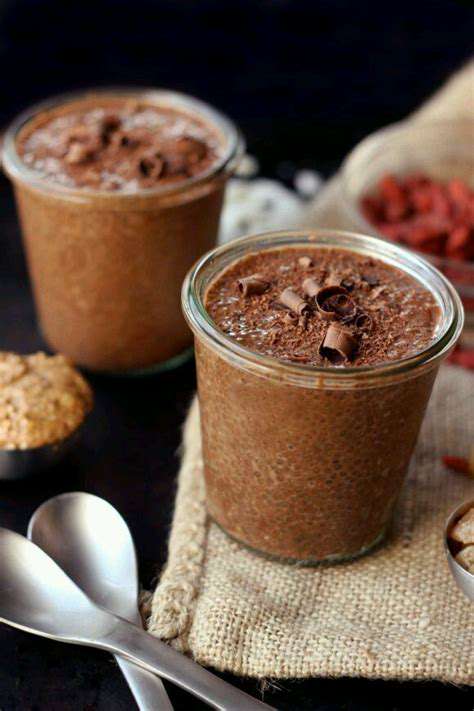
Light OptionsLight desserts like chia seed pudding or baked apples can add a sweet touch to your dinner without compromising your health. Focus on fresh fruits, Greek yogurt, and whole grains to create guilt-free indulgences that support your weight loss goals.---By incorporating these dishes into your meal routine, you can create delicious, nutrition-packed dinners that are satisfying and beneficial for your overall health. Enjoy your journey toward a healthier lifestyle!
Apr 23, 2025
Best Foods for Bone Health
May 03, 2025
Guide to Training for a Half Marathon
May 15, 2025
Understanding Childhood Obesity and Effective Prevention
Jun 02, 2025
Healthy Breakfast Ideas for Kids
Jun 08, 2025
Best Yoga Styles for Weight Loss and Toning
Jul 16, 2025
The Power of Gratitude in Your Health Journey Why Gratitude Matters for Your HealthDiscover the profound impact of gratitude on your health journey, supported by research from prestigious institutions like the University of California. Studies show that practicing gratitude can significantly improve mental well-being, reducing symptoms of anxiety and depression while enhancing overall life satisfaction. Those who embrace gratitude often make healthier lifestyle choices, demonstrating psychological resilience that can transform their health. Simple Practices for Daily GratitudeIntegrating gratitude into your daily routine is easier than you think. Start a gratitude journal and jot down three things you appreciate each day. This straightforward practice can lead to greater emotional well-being over time, setting a positive tone for your day and cultivating a healthy mindset. Physical Health Benefits of GratitudeGratitude isn't just an emotional booster; it has physical health benefits too. Grateful individuals experience improved sleep, lower blood pressure, and enhanced immune function. As you embark on your health transformation, this powerful emotional tool can help you recover better and maintain overall wellness. Uniting Gratitude and MovementCombine gratitude with physical activity to amplify your health journey. By appreciating your body and its capabilities, you are more likely to engage in exercise. Transform workouts from a chore into a celebration of what your body can achieve, whether it's running, dancing, or yoga. Strengthening Relationships through GratitudeExpressing gratitude can significantly enhance your relationships. Simple acts, like sending thank-you notes or verbally acknowledging someone's contribution, strengthen connections, creating a supportive environment vital for mental health. The benefits of shared gratitude extend beyond the individual, promoting social support and belonging. Navigating Gratitude During ChallengesWhile practicing gratitude can be immensely beneficial, it may be challenging during tough times. Acknowledge these difficulties and focus on finding small moments of appreciation. This approach allows you to cultivate a sustainable gratitude practice, fortifying resilience amid life's challenges. Integrating Movement into Daily LifeDaily movement is crucial for maintaining physical health and improving mental well-being. The World Health Organization recommends at least 150 minutes of moderate exercise each week. Discover simple ways to add movement to your routine, like taking the stairs, scheduling quick stretch breaks, and choosing enjoyable activities that keep you motivated. Tracking Progress and Community SupportUtilizing technology can help track your movement and gratitude goals, keeping you accountable and motivated. Engage with communities, both online and offline, to share your journey, celebrate milestones, and gain inspiration. Whether through fitness apps or local groups, connecting with others can enhance your commitment and enjoyment in your health transformation. Embrace the Journey of TransformationUnderstanding your mindset's importance in health transformation is key. Cultivating a growth mindset and practicing gratitude can significantly improve your ability to overcome challenges. Set realistic and attainable goals while celebrating small victories to maintain motivation and commitment. Furthermore, focusing on nutrition and building a strong support network will enhance your path to overall well-being.Embrace gratitude and movement as integral parts of your health journey, and watch as they transform not only your well-being but also your outlook on life.
Mar 13, 2026
A Comprehensive Guide Understanding Meal Planning's ImportanceMeal planning is a powerful tool for those looking to manage their weight effectively. By preparing meals in advance, you can control portion sizes, minimize food waste, and ensure balanced nutrition. Studies have shown that individuals who engage in meal planning are more successful in maintaining weight loss and adopting healthier eating habits.Planning meals not only helps you make informed food choices but also encourages you to include a variety of nutrient-dense foods while reducing reliance on processed options that contribute to weight gain. A diversified approach to meal prep enhances your overall health and eating experience, making it easier to stick to long-term weight management strategies. Strategies for Meal Planning SuccessCreating a weekly menu is one of the most effective meal-planning strategies. Start by identifying meals you enjoy and any new recipes you'd like to try. This adds excitement to the planning process and helps maintain your motivation. Batch cooking can also save time and ensure you have healthy meals readily available.Utilizing seasonal ingredients not only boosts the nutritional value of your meals but can also save you money. A well-stocked pantry with essentials like oats, legumes, and frozen vegetables can alleviate the stress of last-minute meals while preventing impulse purchases. Avoiding Common Pitfalls in Meal PlanningWhile meal planning is beneficial, it’s easy to fall into common traps. Failing to account for cravings or unexpected events can derail your efforts; flexibility in your meal plan is essential. Beginners often overcomplicate recipes, leading to frustration. Simplicity and sustainability should guide your choices.It’s crucial also to allocate enough time each week for meal prep. This investment in your health prevents last-minute unhealthy eating decisions. To maintain variety, consider implementing themed nights like Meatless Mondays or Taco Tuesdays, which can creatively adhere to your budget. Long-Term Benefits of Consistent Meal PlanningEstablishing a solid meal planning routine can positively affect your health and weight management. Research indicates that consistent meal preparation leads to better portion control, improved dietary intake, and sustainable weight loss. Those who engage in meal planning often save money by reducing food waste and avoiding the temptation of takeout.Embracing meal planning can foster a deeper understanding of nutrition and enhance your cooking skills, empowering you to make healthier choices in other aspects of your life. Incorporating Whole Grains, Vegetables, and Lean ProteinsWhole grains, vegetables, and lean proteins are staples in a healthy meal-planning strategy. Whole grains such as brown rice and quinoa provide essential nutrients and fiber, contributing to sustained energy and lower chronic disease risks. Meanwhile, veggie-packed dishes enhance nutritional intake while supporting weight loss.Opt for lean proteins like chicken, turkey, and legumes to promote muscle maintenance without excess fat—crucial for long-term weight management. Moreover, consider snacking on protein-rich foods and high-fiber carbohydrates to keep hunger at bay. ConclusionMeal planning is a transformative approach to healthy eating and is fundamental for those looking to manage their weight effectively. Through careful planning, strategic grocery shopping, and the incorporation of diverse whole foods, you can create meals that are not only satisfying but also conducive to your health and well-being. Start planning today and pave the way for a healthier tomorrow!
Mar 14, 2026
Enhance Your Cooking with Fresh Herbs, Whole Grains, and Healthy Fats Embrace Fresh Herbs and SpicesIncorporating fresh herbs into your cooking not only uplifts flavors but also boosts nutritional value. Fresh herbs, like parsley and basil, pack vitamins and antioxidants, offering health benefits while reducing salt and sugar intake. Discover the right herbs for your dishes, from basil in Italian cuisine to cilantro in Mexican dishes. This article also shares techniques for using herbs effectively, from muddling in cocktails to infusing oils and vinegars. Choose Whole Grains Over Refined OptionsWhole grains are a powerhouse of nutrition, rich in dietary fiber, vitamins, and minerals. Unlike refined grains, whole grains retain their essential nutrients, promoting digestive health and potentially lowering the risk of chronic diseases. Learn how to integrate whole grains into your meals—from substituting white rice with quinoa to exploring new grain-based recipes. Each step towards including whole grains can make your meals more filling and nutritious. Incorporate Healthy FatsHealthy fats are vital for bodily functions and can improve heart health and cognitive function. Explore different kinds of healthy fats, such as monounsaturated fats in olive oil and polyunsaturated fats in fish. This section discusses cooking techniques that preserve the health benefits of fats, and how to gradually replace unhealthy fats with healthier options. Discover recipes that highlight the deliciousness of healthy fats without sacrificing taste. Opt for Cooking Techniques that Enhance FlavorCooking techniques play a crucial role in flavor enhancement. Use herbs and spices effectively to amplify taste without unnecessary calories. Experiment with marination to tenderize proteins and vegetables while reducing harmful compounds. Master cooking methods like grilling and roasting, which caramelize natural sugars and enhance flavors. Incorporate acidity and umami-rich ingredients for balance, and pair flavors mindfully for extraordinary dishes. Make Use of Marinades and DressingsUnlock the potential of marinades and dressings to elevate your meals. Understanding the role of acidic, enzymatic, and oil-based marinades can help you enhance flavors and improve food safety. Creating your own dressings allows control over sodium and additives, leading to healthier options. Discover flavor-balancing strategies to harmonize dishes, and learn application techniques for maximum flavor absorption. ConclusionTransform your cooking by embracing fresh herbs, whole grains, healthy fats, and the right cooking techniques. This guide provides insights on flavor enhancement through marinades and dressings. Elevate your meals and maintain a healthy diet without compromising on taste. Discover how each cooking choice can contribute to a flavorful, nutritious lifestyle that you and your family will love.
Mar 15, 2026
A Protein-Packed Delight Start your day right with our Avocado and Egg Salad. This dish combines the rich, creamy texture of avocados with the protein-packed goodness of hard-boiled eggs. Easy to prepare, this salad is not only delicious but also a heart-healthy choice. Enjoy it as a light lunch or as a side dish. Don't forget to customize it with your favorite veggies or herbs for an extra crunch! Zucchini Noodles with Pesto: A Healthy Pasta AlternativeLooking for a low-calorie pasta option? Try Zucchini Noodles with Pesto! These delightful 'zoodles' are low in carbohydrates yet high in vitamins and minerals. They provide a refreshing base for your favorite pesto, creating a satisfying meal without the guilt. Add grilled chicken or cherry tomatoes for an extra nutritional boost! Cauliflower Fried Rice: Low-Carb Comfort FoodSwap out traditional rice for cauliflower in this delicious fried rice dish! Cauliflower Fried Rice is a smart, low-carb alternative that retains all the flavor and satisfaction of a classic comfort food. Packed with fiber and essential vitamins, this dish is versatile and can be tailored to your taste with the addition of proteins like shrimp or tofu. Coconut Curry Shrimp: A Flavorful Seafood DishIndulge in the exotic flavors of our Coconut Curry Shrimp. Made with wild-caught shrimp and a luscious coconut milk sauce, this dish is perfect for those seeking healthy fats and high-quality protein. Seasoned with aromatic spices and served over cauliflower rice or zoodles, it’s a delicious way to enjoy a low-carb meal. Chia Seed Pudding: A Low-Carb Snack or DessertEnd your meal on a sweet note with Chia Seed Pudding! This easy-to-make dessert boasts high fiber content and healthy omega-3 fatty acids, making it ideal for weight management. Customize it with flavors like chocolate or berry, and prepare a week’s worth of pudding in advance for convenient snacking. ConclusionEating healthy doesn't mean sacrificing flavor. Our collection of low-carb recipes showcases a variety of dishes that cater to diverse tastes and diets. Join the health-conscious community today and start enjoying delectable meals that support your lifestyle goals. Perfect for meal prep, these recipes are designed to save you time while ensuring you don’t compromise on taste or nutrition. Explore our recipes and transform your meals into healthier creations!
Mar 23, 2026
Creating a Realistic Training Schedule Around Your Work HoursBalancing race training with a full-time job can be challenging, but it is entirely feasible with the right strategies. This guide will walk you through how to devise a realistic training plan that accommodates your work commitments, maximizing efficiency and maintaining effective progress towards your race goals. Assess Your Time AvailabilityStart by honestly evaluating your work hours and daily commitments. Identify free time blocks during early mornings, lunch breaks, or evenings to incorporate quick yet focused workouts. A flexible work schedule can enhance adherence to physical activity, allowing for shorter, effective sessions that don’t require a significant time investment. Set Manageable GoalsDraft weekly training objectives based on your available time and the race distance you are targeting. Research suggests that busy individuals should aim for 4-5 training sessions per week which includes a mix of easy runs, long runs, and speed work. A structured approach, avoiding sudden spikes in training volume, is critical for preventing injuries. Efficient Workouts are KeyFor those with limited training minutes, adopting High-Intensity Interval Training (HIIT) or tempo runs can yield significant benefits in a short time. Just 20 minutes of interval training three times a week can dramatically improve cardiovascular fitness. Prioritizing quality over quantity ensures that your limited time is used effectively. Incorporate Recovery and NutritionRest days are crucial for muscle recovery, especially for busy professionals. Active recovery activities, such as yoga or swimming, can help in muscle repair without additional strain. Furthermore, maintaining a well-balanced diet rich in carbohydrates, proteins, and fats supports energy levels, enhancing performance. Maintain Flexibility in Your PlanRecognize that work commitments can fluctuate, and your training plan should be adaptable accordingly. Adjust your workouts’ intensity and duration rather than skipping them completely. This continuous engagement helps in sustaining progress even during busy periods. Leverage Technology for SupportUtilizing apps and wearable technology can significantly enhance your training experience. Platforms like Strava or TrainingPeaks can help structure your workouts around your work commitments, while GPS watches provide essential performance data, allowing you to tailor your training efficiently. Stay Motivated and AccountableBuilding a support system is vital. Engage with a community of runners or seek out a training partner to enhance motivation. Journaling your progress can reinforce a positive mindset and celebrate small victories, keeping you focused on your goals. ConclusionIn conclusion, combining a full-time job with race training requires a thoughtful approach to scheduling, efficiency in workouts, and a robust support system. By prioritizing time management and utilizing the advantages of technology, you can successfully achieve your race goals while juggling professional commitments. Embrace flexibility, listen to your body, and remember that a well-planned training schedule not only fosters physical readiness but also contributes positively to your overall well-being.
Mar 24, 2026
The Ultimate Guide to Healthy Late-Night SnacksAre late-night cravings disrupting your sleep and health? Discover a collection of nutritious and satisfying snacks that are perfect for curbing those nighttime munchies without guilt! We've curated a list of five delicious options that are packed with essential nutrients, ensuring your late-night snacks contribute positively to your well-being. 1. Greek Yogurt ParfaitGreek yogurt shines for its high protein content (15-20 grams per serving), making it an excellent late-night snack choice. It's rich in probiotics which support gut health, enhancing digestion and mood regulation. Elevate your parfait by layering fresh fruits like berries or bananas, adding crunchy nuts, and a drizzle of honey for sweetness. Craft this snack to perfection in under five minutes while maintaining portion control to promote satiety. 2. Veggie Sticks with HummusPacked with essential vitamins and minerals, veggie sticks such as carrots and cucumbers pair wonderfully with hummus. These colorful veggies are low in calories, high in fiber, and can keep you feeling full. Get creative by boosting your hummus with garlic or spinach for added health benefits. Consider using whole grain pita or multi-seed crackers as dippers for a balanced late-night snack. 3. Overnight OatsOvernight oats are a quick, customizable solution for a nutritious late-night meal. With a base of rolled oats and your choice of milk, let the mixture soak overnight to allow for optimal flavor absorption. Add fruits, seeds, and natural sweeteners for a delightful morning treat. Rich in fiber, these oats support digestive health and provide sustained energy without added sugar spikes. 4. Dark Chocolate AlmondsIndulge in a handful of dark chocolate almonds, which offer a delightful mix of antioxidants and healthy fats. Dark chocolate is known to support cardiovascular health, while almonds help curb hunger. Prepare this scrumptious snack by coating almonds in melted dark chocolate, and flavor them with sea salt or spices to amplify your snacking experience. 5. Air-Popped PopcornFor a low-calorie whole-grain option, air-popped popcorn is a fantastic choice. Providing dietary fiber, it can help keep you feeling full, making it a beneficial snack during evening hours. Enhance the flavor with nutritional yeast or spices for a savory twist. Remember to keep portion sizes in check—typically about three cups—to enjoy this snack without overindulging. ConclusionTransform your late-night snacking habits by incorporating these healthy options into your routine. Each snack offers unique health benefits while satisfying cravings, making them perfect for any time of the day. Embrace nutritious choices that align with your health goals and enjoy the peace of mind that comes with mindful eating.
Mar 30, 2026
View Publications>>