Running Gear Essentials for Nighttime Speed Work
Understanding the Importance of Visibility
Visibility is crucial for safe nighttime running. According to a study by the National Highway Traffic Safety Administration, more than 70% of pedestrian fatalities occur after dark. This alarming statistic underscores the need for effective visibility gear when running in low-light conditions.
Not only does proper visibility equipment enhance safety, but it can also improve your confidence during nighttime runs. When equipped with the right light sources and reflective gear, you can navigate dark paths with reduced fear of unseen hazards. Feeling secure allows you to focus on your performance rather than your surroundings.
Types of Visibility Gear
There are various types of visibility gear available for nighttime runners, each designed to cater to specific needs. Reflective vests are popular for their high visibility and lightweight design. Many running brands, such as Nathan and Amphipod, offer options that ensure comfort without compromising on visibility.
Headlamps are another excellent choice. They provide a bright, adjustable beam directly in your field of vision. Using a headlamp with a rechargeable battery can be more sustainable and cost-effective over time, perfect for those frequently running in the dark.
Choosing the Right Reflective Gear
Selecting the right reflective gear involves considering factors like the visibility feature, comfort, and fit. Look for products that meet the ANSI (American National Standards Institute) standards for reflective apparel. These certified products ensure you’re visible at least 1,000 feet away, which is vital for alerting drivers and cyclists of your presence.
Additionally, ensure that the gear fits appropriately. Loose clothing can become a distraction and can interfere with your movement, while tight gear can be uncomfortable. The balance between fit and comfort is essential for maintaining focus while running.
Color also plays a significant role; bright colors like neon yellow or green tend to stand out in low-light conditions.
Light Sources: Headlamps vs. Handheld Flashlights
When it comes to light sources, headlamps and handheld flashlights are two popular options among runners. Headlamps are hands-free, allowing you to keep your arms free for natural running motion. Their adjustable beams can also light up uneven terrains effectively. Brands like Petzl and Black Diamond offer high-quality headlamps with adjustable brightness settings, enhancing your comfort level in various settings.
On the other hand, handheld flashlights can provide exceptionally bright illumination and allow for side-to-side scanning of your environment, which can be beneficial for spotting obstacles. However, they may not be as convenient for longer runs due to arm fatigue over time. Consider your running style and route when choosing between these options.
Incorporating Technology with Visibility Gear
Technology is advancing rapidly, and many running enthusiasts now incorporate smart features into their visibility gear. Some running vests come equipped with LED lights that can be set to blink or glow consistently, providing additional safety in urban environments. Brands such as LumoRun integrate smart technology, offering data tracking while keeping runners visible.
Consider exploring wearables that provide audio alerts or light notifications of oncoming vehicles or hazards nearby. Such devices can increase situational awareness, which is particularly beneficial during solitary nighttime runs.
Establishing a Routine for Safe Nighttime Running
Creating a consistent nighttime running routine can also significantly impact your safety. Always run in familiar areas where you know the terrain, which can help prevent accidents. Additionally, try to run with a buddy or join a local running club. This not only enhances safety but also develops a sense of community support.
Experiment with your visibility gear during daytime runs toadjust for comfort and performance, ensuring you’re not wearing anything that feels cumbersome when night falls. Getting used to how your gear performs in the light can pay dividends during darker runs.
Ultimately, investing in quality visibility gear and incorporating smart safety practices will help you enjoy your nighttime running experiences while minimizing potential risks.
Comfortable Footwear: The Foundation of Speed
Choosing the Right Type of Running Shoe
When it comes to selecting running shoes, there are a few key factors to consider that can significantly impact your performance. First, understanding your foot type is essential—whether you're flat-footed, have a neutral arch, or possess high arches can dictate the type of cushioning and support you need. Brands like Brooks and Asics offer options tailored for different arches, enhancing comfort and efficiency during nighttime runs.
Additionally, consider the terrain you'll encounter. Road running shoes have a different outsole than trail running shoes, which is designed for better grip on uneven surfaces. This differentiation is crucial for your safety and speed, especially if you plan to hit the trails at night when visibility is low.
The Importance of Fit and Comfort
A good fit is non-negotiable when choosing footwear for speed work. Studies show that a shoe that is either too tight or too loose can lead to blisters, calluses, and even more severe injuries like plantar fasciitis. Many experts suggest shopping for shoes at the end of the day when your feet are slightly swollen, as this will help ensure you choose a pair that accommodates your foot's natural fluctuations.
Temperature Management for Night Runs
Running at night often means dealing with cooler temperatures, and your footwear choice affects thermal comfort. Certain materials provide better insulation and moisture management, keeping your feet dry and warm without overheating. Brands utilizing Gore-Tex technology, for instance, can prevent water intrusion while allowing perspiration to escape, offering a practical solution for chilly evening jogs.
Moreover, thicker soles may provide added insulation against cold surfaces, which is especially useful if you’re running on asphalt or concrete during winter months. Thus, footwear that balances cushioning, support, and temperature control can significantly enhance your nighttime running experience.
Enhancing Visibility with Footwear
During nighttime runs, visibility is critical not just for safety but also for performance. Many running shoe brands now incorporate reflective materials or LED lights into their designs, boosting visibility to motorists and fellow runners. For example, models from Nike and Saucony often examine how they integrate reflective elements without compromising aesthetics, making them practical yet stylish options.
Breaking in Your Footwear Before Speed Work
It’s important to properly break in new shoes before you hit the pavement at full speed. Ideally, wear your shoes for short runs or walks for about one to two weeks, allowing your feet to adapt to the new fit. Research indicates that gradually introducing your feet to new footwear can help prevent injuries and discomfort, enabling you to perform at your best during high-intensity sessions.
Moreover, pay attention to how the shoe responds under stress—check for any pressure points that could lead to issues in the future. Taking the time to break in your shoes properly can ultimately save you from setbacks in your training schedule, enhancing your overall speed work performance.
Weather-Appropriate Apparel: Stay Dry and Warm
Choosing the Right Base Layer
When running in cold or wet conditions, selecting an appropriate base layer is crucial. Look for moisture-wicking materials such as merino wool or synthetic blends that can keep you dry by pulling sweat away from your skin. This approach minimizes the risk of chilling, ensuring that your body maintains a stable temperature during extended periods of exertion.
A study from the Journal of Sport Sciences suggests that sweat management can significantly enhance performance and comfort levels. By investing in a quality base layer, you're not only enhancing your comfort but also potentially improving your overall running efficiency, especially in terms of maintaining body heat.
Insulating Mid-Layers for Warmth
Mid-layers play a vital role in trapping heat while allowing breathability. Fleece and down are popular choices; each offers unique benefits depending on the weather. Fleece is typically lighter and wicks moisture effectively, while down insulation is ideal for colder temperatures, providing excellent warmth-to-weight ratios.
Research indicates that the effectiveness of insulating layers can be influenced by wind conditions as well. For instance, a windproof shell layered over a fleece mid-layer can provide substantial heat retention, making it essential to consider not only the material of your mid-layer but also the outer layers you pair them with.
Waterproof and Windproof Outerwear
When it comes to nighttime runs, outerwear that is both waterproof and windproof is non-negotiable. Look for jackets that feature a breathable membrane like Gore-Tex, which keeps rain out while allowing sweat to escape. This dual functionality is especially crucial when maintaining visibility and comfort during adverse weather conditions, particularly when running at night.
In wet climates, a quality outer shell can mean the difference between a comfortable run and a miserable experience. Many brands now incorporate reflective materials into their designs, enhancing safety by ensuring visibility in low-light conditions. Investing in gear that combines these features can significantly elevate your running experience.
Footwear Essentials for Inclement Weather
Your choice of running shoes is critical when considering weather-appropriate apparel. Look for shoes with water-resistant features and a good grip to navigate slippery surfaces effectively. Research shows that traction can reduce the likelihood of slips, which is particularly important during nighttime runs when visibility is compromised.
A shoe's traction is often determined by its tread pattern and rubber composition. Investing in a pair designed for wet conditions will provide you with the support needed to maintain your pace without jeopardizing your safety. Make sure to test them out on varied terrains to assess their performance before hitting the road.
Headgear and Accessories for Comfort
Don't overlook the importance of headgear when preparing for night runs. A moisture-wicking headband or cap can help manage sweat and protect against the elements, especially in colder weather. Keeping your head cool or warm, depending on the season, can contribute significantly to your overall comfort and escape the discomfort of overheating or chills as you run.
Additionally, gloves and thermal socks are valuable components of your running arsenal. In colder climates, gloves can prevent heat loss from your extremities, helping maintain dexterity and control as you move. Consider using reflective or bright accessories to enhance visibility without compromising performance.
Layering Strategies for Optimal Performance
Understanding how to layer effectively can dramatically enhance your running experience, particularly in unpredictable weather. A key strategy is the 'three-layer system': base, mid, and outer layers. This approach offers flexibility, allowing you to adjust based on changing conditions. Be mindful of your body's heat production during a run; if you start to feel too warm, removing layers can prevent overheating.
It's also wise to test different combinations in practice runs to determine what works best for you. Everyone has unique comfort levels, and practicing this during training can help you make quick adjustments on race days or night runs. Exploring various fabrics and fits can ensure you find the right balance that supports your running goals while providing necessary protection from the elements.
Smart Accessories: Enhance Your Performance
Running with Enhanced Visibility
For nighttime running, visibility is crucial to ensure safety. In fact, nearly 60% of running accidents occur during low-light conditions. To enhance visibility, consider wearing reflective vests or jackets that offer strong 360-degree reflectivity.
In addition to wearing bright clothing, you can also invest in gear like LED armbands and light-up shoelaces. These accessories not only make you more visible to drivers and pedestrians but also boost your confidence when approaching dark areas.
Wearable Technology for Performance Tracking
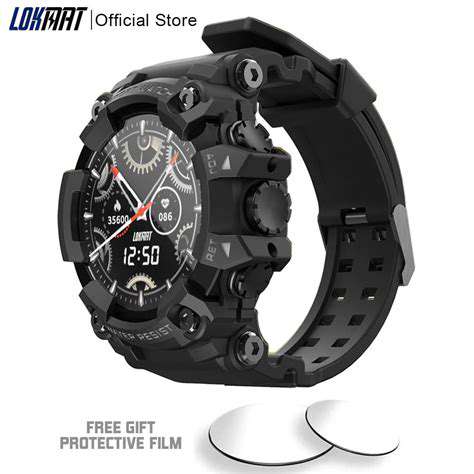
Wearable Technology has transformed how runners track their performance. Devices such as GPS watches and fitness trackers can monitor your heart rate, pace, and even route. A study from the Journal of Sports Sciences indicated that using a GPS watch can improve a runner's pacing strategy by up to 15%.
Integrated apps linked to these devices often provide insights into your performance trends, helping you fine-tune your training. Leveraging this data can lead to notable improvements in your overall running efficiency and speed.
Comfort and Support with Quality Footwear
- Choosing the right footwear provides essential support and cushioning.
- Consider the terrain you’ll encounter and pick shoes designed for that specific environment.
Quality footwear is a critical component of nighttime speed work. Properly fitted shoes can prevent injuries and enhance your performance during runs. It's recommended to select running shoes that match your foot type and gait to maximize support.
With brands constantly innovating in technology, look for options that include reflective elements and cushioning systems designed for nighttime runs. This ensures not just comfort but also safety on darker paths.
Nutrition and Hydration for Endurance Runs
Optimizing nutrition and hydration is vital for runners, especially during evening sessions. It's essential to fuel up with carbohydrates before running and replenish with protein afterward. Research emphasizes that eating the proper balance of nutrients can increase stamina and decrease recovery time.
Staying hydrated is also key. Use electrolyte drinks to maintain optimal hydration and replace minerals lost during the run. A hydration strategy can make a significant difference, especially in challenging nighttime conditions where hydration needs can be easily overlooked.
Hydration: Stay Refreshed

Importance of Staying Hydrated Before Running
Before hitting the pavement for your nighttime speed work, it's essential to ensure your body is well-hydrated. The general guideline suggests drinking around 17 to 20 ounces of water two to three hours before running. This pre-hydration strategy can significantly enhance your performance during the run.
Proper hydration not only prevents fatigue but also aids in maintaining optimal body temperature, which is crucial during energetic physical activities. When you run, your body loses fluids through sweat, and being adequately hydrated can help maintain your stamina and concentration levels throughout your workout.
- Hydration improves physical performance.
- It helps regulate body temperature.
- Prevents fatigue and boosts mental focus.
To achieve the best hydration levels, consider electrolyte-enhanced drinks, as they help replace lost minerals during sweating. These drinks not only quench your thirst but also provide the necessary minerals that standard water lacks.
Hydration Strategies During Your Run
While running at night, it’s easy to overlook hydration due to cooler temperatures and the absence of sun. However, it’s Vital To Keep Sipping Fluids regularly, even if you don't feel thirsty. The initial signals of dehydration can be subtle and might manifest as slight fatigue or decreased performance.
Carrying a hydration pack or using handheld water bottles can be especially beneficial for evening speed workouts. Many runners find that such options allow for convenient sipping without interrupting their flow.
Additionally, consider incorporating hydration breaks into your routine. A good practice is to plan your route around water fountains or places where you can easily refill your bottle. This strategy not only ensures you stay hydrated but also helps you track your hydration habits.
Read more about Running Gear Essentials for Nighttime Speed Work










Hot Recommendations
-
*Gratitude and Recovery: Healing Faster with a Positive Mind
-
*The Best Core Exercises for Chronic Back Pain
-
*Healthy Meal Swaps for Common Takeout Cravings
-
*The Link Between Gratitude and Career Longevity
-
*Stretches to Relieve Back Pain After Long Drives
-
*Healthy Snacks for Road Trips That Support Weight Loss
-
*Practicing Gratitude During Your Morning Commute
-
*Using Gratitude to Overcome Setbacks in Health
-
*Cooking for Heart Health: Low Fat and Low Sodium
-
*Gratitude and Immune Function: What You Need to Know