Speed Development
High-Intensity Training
Training
Endurance
Performance
Cardiovascular Fitness
Endurance Training

Sprint Intervals vs. Long Runs: Which Builds More Speed?

The Importance of Rest

It's essential to recognize that long runs, while beneficial, can also necessitate sufficient recovery time. Adequate rest is critical to avoid overtraining injuries, which can impede progress and lead to setbacks. Planning recovery days post-long runs is just as vital as the runs themselves, allowing muscles to repair and adapt. Individual recovery needs can vary, but many athletes find that 48 hours of rest or light activity is effective for recovery after long distance efforts.

In conclusion, while the benefits of long runs are substantial, they must be viewed as part of a holistic training strategy. Striking a balance between intensity and recovery, along with proper hydration and nutrition, will maximize the effectiveness of long runs within a speed-building program.

Comparing the Benefits for Speed

ComparingtheBenefitsforSpeed

Understanding Sprint Intervals

Sprint intervals consist of short bursts of intense activity followed by rest or low-intensity periods. This method emphasizes developing speed and power. A study published in the *Journal of Sports Science* finds that athletes engaging in sprint interval training show a significant increase in running speed compared to those dedicated solely to steady-state running.

The key to the effectiveness of sprint intervals lies in their ability to elicit a fast-twitch muscle fiber response. *These fibers are crucial for explosive movements and acceleration.* Additionally, incorporating this type of training enhances cardiovascular efficiency, allowing runners to recover more quickly between sprints.

Benefits of Long Runs for Endurance

  • Increased aerobic capacity
  • Improved mental resilience
  • Enhanced fat oxidation

On the other side of the spectrum, long runs predominantly focus on building endurance rather than raw speed. Research indicates that long-distance running boosts aerobic capacity, a critical factor for sustained performance, especially in distance events. Runners who engage in longer sessions frequently report improvements in their overall performance, demonstrating how endurance plays a foundational role.

Comparative Impact on Speed

While both training methods have merits, their impacts on speed differ significantly. Sprint intervals may lead to more *immediate gains in speed*, as they condition muscles for rapid movements. Conversely, long runs develop a solid aerobic base, which supports speed over time. However, the chronically trained aerobic system may not translate directly to faster sprinting performances.

It’s essential for athletes to recognize that pure speed is more heavily influenced by the neuromuscular adaptations gained from sprint training. In this sense, sprint intervals are often more effective for athletes specifically aiming to achieve faster race times in short-distances, like the 100m sprint.

Injury Risks and Recovery Considerations

Incorporating sprint intervals can increase the risk of injury, particularly if done without adequate preparation or recovery. High-intensity training requires a strong foundation to avoid strains and pulls. *Athletes must pay attention to their body’s signals* and take the necessary time to recover between intense workouts.

Long runs, conversely, help build a more resilient musculoskeletal structure. However, they also come with their risks, particularly in the form of overuse injuries such as shin splints and plantar fasciitis. Balancing both training types can mitigate these risks and ensure a well-rounded approach to speed development.

Personalization of Training Programs

Each runner is different, and so the training they undertake should reflect their specific goals and physical conditions. For instance, a sprinter aiming for maximum speed should integrate more sprint intervals into their routine. In contrast, a marathon runner would benefit from longer runs to improve endurance while still injecting some interval work for speed bursts.

It’s essential to Tailor training regimens to both individual capabilities and desired outcomes. A mixed approach often yields favorable results – meaning that athletes shouldn't shy away from experimenting with both sprint intervals and long runs to see what works best for them.

Final Thoughts on Balancing Both Approaches

Ultimately, the question of which training method builds speed more effectively isn’t straightforward. Both sprint intervals and long runs serve unique purposes within a comprehensive training strategy. *By understanding the benefits and integrating both approaches*, runners can achieve a well-rounded skill set that enhances performance across various distances.

Combining these methods while allowing adequate rest periods creates opportunities for speed and endurance to thrive. This balanced methodology will not only lead to improved race times but also greater overall fitness and resilience in the long run.

Finding the Right Balance for Training

FindingtheRightBalanceforTraining

Understanding the Physiological Benefits of Sprint Intervals

  • Sprint intervals can improve cardiovascular efficiency significantly.
  • They enhance muscular power and strength over short durations.
  • The metabolic demands during sprints boost overall calorie burn.

Sprint intervals are renowned for their ability to produce significant cardiovascular benefits. Research has shown that performing short, intense bursts of sprinting can lead to enhanced oxygen consumption and increased aerobic capacity. For athletes looking to improve their speed, these workouts are incredibly effective in conditioning the heart and lungs. Studies suggest that high-intensity interval training (HIIT) can improve VO2 max, which is a critical measure of cardiovascular fitness.

Furthermore, sprint intervals engage a higher percentage of fast-twitch muscle fibers compared to longer runs. This engagement helps athletes develop the explosive power necessary for sprinting. The metabolic demands placed on the body during these short bursts lead to increased calorie expenditure even after the workout has ended.

The Endurance Benefits of Long Runs

Long runs play a crucial role in building endurance, which is essential for distance athletes. These prolonged aerobic sessions train the body to utilize fat as a primary fuel source rather than carbohydrates. This adaptation is vital for performance in longer races. As you extend your distance, your muscles learn to function efficiently over time, improving your performance in both speed and stamina.

Moreover, consistent long runs have been linked to improved mental toughness. Athletes learn to cope with fatigue and maintain focus, which is a crucial aspect during competitive races. Moreover, the rhythm and pacing developed during these runs can positively affect overall race strategies.

Finding the Balance Between Sprinting and Running

Developing a balanced training regimen requires a thoughtful approach. Incorporating both sprint intervals and long runs will maximize speed while promoting endurance. Athletes should consider their personal goals, whether focused on sprint performance or marathon training, to determine the ideal mix.

Aim for a weekly schedule that includes both types to develop a well-rounded athletic profile. For example, including a couple of days dedicated to speed work, along with longer steady-state runs, can significantly enhance overall performance.

Research Findings on Training Efficacy

Recent studies provide valuable insights into the effectiveness of varied training methodologies. For instance, a study published in the Journal of Sports Sciences indicated that athletes who combined sprint intervals with longer runs performed better in competitive scenarios than those who focused solely on one type. This highlights the synergy and complementary benefits of both training modalities.

Moreover, another research article emphasized that even recreational runners could experience significant performance improvements by integrating sprint intervals into their weekly routine. This approach not only enhances speed but may also help prevent injuries through varied training stimuli.

Personal Experience: What Works Best for Different Athletes

From my experience, the best approach to training is one that accounts for individual differences. Some athletes may respond better to longer runs, particularly those with a strong background in endurance sports. Others, especially sprinters, might find that sprint intervals yield quicker improvements in speed and race times.

It’s essential to pay attention to your body’s feedback and be adaptable. What works for one athlete may not work for another. Keeping a training log can greatly aid in understanding which workouts bring the most benefit in terms of performance and recovery.

Conclusion: Tailoring Your Training Plan for Optimal Results

In conclusion, discovering the right balance in training between sprint intervals and long runs is crucial for maximizing speed and endurance. A tailored approach should consider personal goals, fitness levels, and recovery times.

Regularly reassessing training regimens is equally important to adapt to changes in performance, capacity, or specific race preparations. By staying flexible and informed, athletes can effectively sharpen their skills and reach their full potential.

Read more about Sprint Intervals vs. Long Runs: Which Builds More Speed?

Why You're StuckUnderstanding the Concept of a PlateauHave you been diligently working towards your fitness goals, consistently pushing yourself, yet your progress seems to have stalled? You're not alone. A training plateau, a common experience for athletes and fitness enthusiasts, occurs when your progress grinds to a halt despite continued effort. This isn't a sign of failure; rather, it's a crucial signal that your body and mind are adapting. Understanding why you've hit a plateau is the first step to moving forward and achieving your desired results.Common Reasons for Training PlateausSeveral factors can contribute to a plateau. These include:* Overtraining: While consistent effort is key, excessive training without adequate rest and recovery can lead to a plateau. Your body needs time to repair and rebuild muscle tissue, and inadequate rest can hinder progress.* Nutritional Imbalances: Your diet plays a pivotal role in your fitness journey. Insufficient protein intake can impede muscle growth and repair. Similarly, an inadequate intake of essential vitamins and minerals can affect energy levels and overall performance.* Lack of Variety: Your body adapts quickly to routines. Introducing new exercises, workout variations, and training intensities can stimulate muscle growth and prevent plateaus. Simply performing the same exercises in the same way repeatedly will likely lead to diminishing returns.* Mental Blocks: Motivation and mental fortitude are as crucial as physical effort. A plateau can stem from a lack of motivation, decreased enthusiasm, or feelings of burnout. Addressing mental hurdles is often just as important as addressing physical ones.* Insufficient Sleep: Sleep is critical for muscle recovery and overall well-being. Insufficient sleep can negatively impact your energy levels, hormone regulation, and ability to perform at your best.* Underlying Medical Conditions: In some cases, a plateau could be a symptom of an underlying medical condition. If you suspect this may be the case, consult with a healthcare professional.How to Overcome a PlateauBreaking through a plateau requires a proactive approach. Consider these strategies:* Adjust Your Routine: Introduce new exercises, modify existing ones, and vary your workout intensity. This can stimulate new muscle growth and prevent your body from adapting too quickly.* Prioritize Recovery: Ensure you're getting adequate rest and sleep. Incorporate active recovery methods, such as light stretching or yoga, to promote muscle repair.* Refine Your Diet: Evaluate your nutritional intake and make necessary adjustments to ensure you're consuming enough protein, essential vitamins, and minerals. Consider consulting a registered dietitian for personalized guidance.* Boost Your Motivation: Find ways to stay engaged and motivated. Set realistic goals, celebrate milestones, and stay positive. Consider joining a fitness community or working with a personal trainer for support.* Listen to Your Body: Pay attention to any signs of overtraining or injury. Adjust your training accordingly and don't hesitate to take rest days when needed.By understanding the potential causes of a training plateau and implementing the appropriate strategies, you can break through the barrier and continue your journey toward achieving your fitness goals.
May 06, 2025
Boost Your PerformanceBreathing is an essential yet often overlooked aspect of running that can significantly impact performance and endurance. This article delves into the mechanics of breathing and various techniques that can help runners optimize their oxygen intake and enhance their overall running experience. Understanding the Mechanics of BreathingEffective running begins with understanding how your breathing works. The diaphragm is a key player in this process, enabling deep breaths that maximize oxygen intake. By practicing proper breathing techniques during runs, such as diaphragmatic and rhythmic breathing, runners can improve stamina, enhance body rhythm, and even boost speed. Breathing Techniques for Runners1. Diaphragmatic Breathing: This technique emphasizes deep belly breaths, promoting relaxation and oxygen absorption. By training your diaphragm, you can sustain longer runs with reduced fatigue. 2. Rhythmic Breathing: Align your breathing with your running cadence. A common pattern is a 2:2 ratio (inhale for two strides, exhale for two), which helps maintain pace and rhythm.3. Nasal Breathing: Inhaling through the nose optimizes oxygen levels and assists in maintaining a consistent pace, which can prove crucial in endurance scenarios. The Importance of Oxygen in Endurance RunningOxygen is essential for converting energy during running, and efficient breathing techniques enhance oxygen delivery to muscles. Studies show that the quality of each breath can significantly improve overall running efficiency and decrease fatigue. Common Breathing Errors to AvoidMany runners commit common breathing mistakes, such as shallow chest breathing and breath-holding during exertion. These errors can lead to poor performance and early fatigue. Moreover, hyperventilation can disrupt proper oxygen and carbon dioxide balance. By identifying these pitfalls, you can enhance your running efficiency. Incorporating Breathing Training into Your RoutineIntegrating specific breathing exercises into your training can lead to remarkable improvements in endurance. Activities like yoga and pilates enhance lung function and support breath control. Additionally, practicing focused breathing pauses during runs can help build lung capacity over time. Monitoring Your ProgressTo refine your breathing techniques, track their correlation with running performance. Wearable technology can help measure key metrics such as heart rate and oxygen levels. This data allows you to adjust your breathing strategies based on your training intensity. ConclusionUnderstanding and implementing effective breathing strategies can lead to significant improvements in running performance. Techniques like diaphragmatic, rhythmic, and nasal breathing, combined with tailored training routines, can enhance your endurance and efficiency. By focusing on your breath, you are not only training your body but also building the mental resilience necessary for competitive running. Embrace these breathing methods, and watch as they transform your running experience.
Mar 02, 2026
The Importance of Hydration in Running Key Insights on Hydration for RunnersHydration is a crucial aspect of running that significantly impacts performance and recovery. Water plays a vital role in maintaining body temperature and supporting metabolic functions, such as nutrient transport and recovery after exercise. Under-hydration can lead to fatigue, decreased coordination, and even serious heat-related illnesses, making it essential for runners to understand and prioritize their hydration needs. Recognizing the Signs of DehydrationBeing aware of the signs of dehydration is vital for any runner. Symptoms can include dry mouth, fatigue, dizziness, and muscle cramps. Studies indicate that losing just 2% of your body weight due to fluid loss can adversely affect performance. Hydration strategies should be proactive—make it a habit to drink water consistently throughout the day, not just before your runs. Effective Hydration StrategiesTo maintain optimal hydration, establish a pre-run routine that includes drinking 16-20 ounces of water or sports drinks two hours before running. If your runs exceed an hour, be sure to drink 7-10 ounces of fluids every 10-20 minutes. After your run, aim to drink 16-24 ounces for every pound lost during the activity, and don’t underestimate the importance of combining hydration with nutritional strategies for enhanced performance. Understanding Electrolyte BalanceElectrolytes like sodium, potassium, and magnesium are essential for muscle function and hydration. A proper balance helps prevent cramps and fatigue during prolonged exercise. To avoid electrolyte imbalances, consider including foods rich in potassium (e.g., bananas and oranges) and sodium (e.g., sports drinks) in your diet. Optimizing Your Hydration PlanDeveloping a comprehensive hydration strategy is essential. Start by gauging your sweat rate to determine how much fluid you need during activities. Adjust your strategy according to weather conditions and exercise intensity, incorporating electrolyte-rich fluids every 30 minutes for longer runs. Nutritional Strategies for Injury PreventionProper nutrition, paired with hydration, is key to preventing injuries during running. Micronutrients like vitamins and minerals are crucial for muscle recovery, while macronutrients provide the fuel needed for lengthier runs. Consider incorporating a balanced meal plan rich in carbohydrates, proteins, and healthy fats to meet your nutritional needs and reduce injury risks. The Crucial Role of TimingWhat you consume before and after your runs can significantly enhance your performance. Aim for a high-carb meal two to three hours prior to running and a combination of carbohydrates and proteins within 30 minutes post-exercise for optimal recovery. Personalizing your nutrition plan based on your individual needs is essential for success. Listening to Your BodyUnderstanding your body's signals—such as fatigue and thirst—is critical for runners. Regular self-assessments can guide you in adapting your hydration and nutrition strategies to improve your running experience. If you consistently experience cramps or fatigue, it may be beneficial to consult with a sports nutritionist for tailored advice.---For more insights on hydration, nutrition, and running strategies, delve deeper into our comprehensive resources tailored for runners of all levels. Your journey to optimal performance and well-being starts here!
Mar 03, 2026
- Interval Training: High-intensity bursts followed by recovery periods, ideal for enhancing aerobic capacity.- Tempo Runs: Sustained efforts at a challenging pace aimed at improving a runner's lactate threshold.- Hill Repeats: Builds strength and running form while enhancing power through varied gradients. When to Start Speed WorkIntroducing speed work into your training should typically occur after establishing a strong aerobic base, around 8 to 12 weeks before race day. This timing allows the body ample opportunity to adjust to increased intensities. Assessing your current fitness level is vital for determining your readiness to start; beginners may begin with shorter strides, while experienced runners can undertake more challenging workouts. Physiological Benefits of Speed WorkEngaging in speed training leads to beneficial physiological adaptations. It increases muscle glycogen storage and enhances cardiovascular efficiency, enabling you to run at higher intensities without fatigue. Lower resting heart rates often indicate improved cardiovascular fitness, showcasing the effectiveness of integrated speed sessions. Common Mistakes in Speed TrainingTo maximize the benefits of speed work, avoid common mistakes such as neglecting recovery and improper pacing during workouts. Ensuring recovery days and maintaining proper form throughout each session is crucial to prevent injuries and burnout. Tips for Effective Speed Work- Create a balanced training plan: Incorporate long runs, two speed workouts, and easy recovery sessions each week.- Track your progress: Use training logs to monitor improvements and adjust workouts as needed.- Seek guidance: Consulting with a coach or experienced runners can help refine your techniques and strategies. Final Thoughts: Tailoring Speed Work to Your NeedsBefore starting speed work, assess your current fitness level using time trials and recent race performances. Set realistic goals, and ensure you include adequate recovery and cross-training in your regimen. By prioritizing rest, nutrition, and smart training, you can enhance your speed and build a solid foundation for marathon success.---This overview emphasizes the pivotal role speed work plays in marathon training. By incorporating various types of speed sessions and adhering to proper training protocols, marathon runners can achieve impressive performance improvements, enabling them to reach their race-day goals.
Mar 04, 2026
Enhance Your Running PerformanceCompression gear has revolutionized the way athletes approach training and recovery. This specialized apparel utilizes graduated compression technology to support blood circulation, enhance performance, and accelerate recovery. Studies reveal that when worn during physical activities, especially running, compression garments can minimize muscle vibration, reduce soreness, and improve overall athletic performance. Understanding Compression TechnologyGraduated compression is the cornerstone of these garments. They fit snugly around the extremities, gradually loosening toward the torso, aiding in blood flow essential for optimal performance. Modern advancements in textile technology mean that these fabrics also wick moisture and regulate body temperature, providing support without hampering movement. These features are critical for runners who require comfort and freedom during their workouts. Physiological BenefitsResearch published in esteemed journals shows significant improvements in muscle oxygenation and recovery when using compression gear. Runners donning compression clothing experience increased blood flow and reduced lactic acid levels, helping to minimize post-exercise muscle soreness. The enhanced recovery capabilities of compression gear are particularly valuable for athletes undergoing high-volume training, allowing for sustained performance over longer periods. Choosing the Right Compression GearProper fit is paramount. Compression gear should be snug but not restrictive. It's advisable to consult size charts, as brands may vary. The level of compression, typically ranging from mild to high intensity, should align with the activity; higher compression is beneficial during intense workouts, while lighter levels suffice for recovery days. Moreover, prefer materials that provide durability and breathability for sustained use. Impact on PerformanceStudies show that runners using compression gear have improved sprint times and reduced fatigue levels during and after exercise. Many athletes report enduring longer training sessions with increased intensity when dressed in compression wear, underlining its importance as more than a fashion statement in competitive settings. Guidelines for Optimal UseTo unlock maximum benefits, wear compression gear during training and recovery. Many runners find that sporting compression socks during long runs leads to less swelling. Wearing these garments post-exercise can further maintain blood flow to muscles, aiding in quicker recovery and rendering future sessions more effective. Understanding Blood Circulation and Compression GearEfficient blood circulation plays a vital role in athletic performance. Compression gear enhances this by applying targeted pressure, which aids venous return and optimizes blood flow back to the heart. Scientific studies indicate that wearing compression garments lowers muscle soreness and expedites recovery, making them particularly valuable during and after rigorous exercise. Conclusion: Future of Compression Gear in RunningAs the field of sports apparel evolves, innovations in compression gear are likely to focus on personalization and advanced materials. For serious athletes and casual runners alike, investing in quality compression gear can be a game-changing decision that promotes overall performance and long-term health. Coupling effective training, nutrition, and recovery with the best compression solutions available will surely elevate any running experience.
Mar 04, 2026
The Science Behind Gratitude and Athletic Performance OverviewGratitude is proving to be more than just a positive emotion; it plays a critical role in sports psychology and athletic performance. Research highlights that athletes who incorporate gratitude into their routines experience lower anxiety levels, increased focus, and an overall improvement in performance. This compelling connection between gratitude and sports is worth exploring for coaches, athletes, and sports organizations aiming to maximize their training effectiveness and mental resilience. Understanding Gratitude in Sports PsychologyGratitude significantly impacts athletes by fostering a positive environment centered around appreciation. Athletes who express gratitude toward coaches and teammates create a culture of collaboration and support, vital for high performance. This positive mindset not only boosts morale but enhances engagement in training and competitive settings. The Biochemistry of GratitudePracticing gratitude releases neurochemicals such as dopamine and serotonin, which are essential for mood regulation and motivation. This biochemical reaction can lead to increased emotional resilience and faster recovery rates from intense workouts, according to neuroscientific studies. Resilience and Gratitude in AthletesHigh-performance athletes face numerous challenges, including injuries and performance slumps. Regularly cultivating gratitude helps build mental resilience, allowing for effective bounce-backs during adverse situations. Athletes who maintain gratitude practices report lower levels of distress, enabling them to navigate challenges more successfully. Implementing Gratitude PracticesIncorporating simple gratitude practices into daily routines can yield significant mental benefits. Keeping a gratitude journal, sharing appreciations with teammates, or integrating team huddles can solidify positive experiences. Such practices boost camaraderie and create a collective positive mindset within the team. The Role of CoachesCoaches greatly influence athletes' gratitude practices by fostering an environment of appreciation. When coaches express gratitude to their athletes, it can enhance motivation and team cohesion. This acknowledgment cultivates trust and boosts performance, demonstrating the critical role of gratitude in building strong team dynamics. Mindfulness and GratitudeMindfulness, when combined with gratitude, offers extraordinary benefits for athletes. Mindfulness promotes being fully present, which helps reduce anxiety and enhance focus. Gratitude meditation can elevate emotional health and resilience, leading to improved performance and lower performance anxiety. Gratitude Journaling TechniquesEstablishing a gratitude journaling routine is essential for athletes. Whether opting for traditional handwritten journals or digital applications, athletes can track their mental health and performance metrics over time. Regularly reflecting on specific moments of gratitude helps reinforce a positive mindset and emotional regulation. Long-Term EffectsThe long-term integration of gratitude and mindfulness practices can fundamentally reshape an athlete's mental framework. Sustained practice can lead to lasting improvements in emotional regulation, resilience, and overall satisfaction in their athletic journey. ConclusionRecognizing gratitude's vital role in sports can transform an athlete's experience and performance. By integrating gratitude practices into their daily routines, athletes stand to enhance their resilience, emotional health, and overall athletic performance.
Mar 10, 2026
Key Features for Optimal PerformanceAre you on the hunt for the perfect speed running shoes that can elevate your performance? Look no further. This guide highlights the essential features that make speed running shoes exceptional, ensuring you select the best footwear for your running goals. Lightweight Construction for Enhanced PerformanceOne of the primary factors to consider when choosing speed running shoes is their weight. Lightweight shoes are crafted using advanced materials such as mesh uppers and specialized foams, which contribute to their featherlight feel without compromising durability. Research from the Journal of Sports Science supports that every ounce counts, and lighter shoes can lead to improved running economy and energy conservation—vital for long distances. Responsive Cushioning for a Dynamic RideCushioning technology plays an instrumental role in speed running shoes. Brands like Adidas and Hoka incorporate responsive cushioning systems, providing optimal energy return with each stride. Effective cushioning can enhance your turnover rate while absorbing shock, as indicated by a study in the Journal of Biomechanics. Investing in shoes with advanced cushioning technology is critical for runners aiming for speed. Superior Traction and GripThe outsole design of speed running shoes is crucial for performance. Look for shoes featuring rubber outsoles designed for excellent traction, which can prevent slips and enhance stability on varying surfaces. According to the International Sports Engineering Association, optimized tread patterns elevate grip, particularly during technical races. Shoes that offer reliable traction can significantly improve your speed during sharp turns and descents. Fit and Comfort MatterAchieving the right fit is vital for optimal running performance. A snug fit minimizes unnecessary movement, reducing the risk of blisters and inefficiencies. Many brands now offer options catering to diverse foot shapes, ensuring that you can find the perfect match. Breathability and moisture-wicking properties in the shoe materials further enhance your comfort during longer runs. Understanding Cushioning TypesSpeed running shoes feature various cushioning systems tailored to meet runner needs. Knowing the difference between maximum cushioning for shock absorption and responsive cushioning that boosts energy return can help you make an informed choice. Studies have shown that responsive shoes can measurably improve performance, highlighting the importance of selecting the right type of cushioning for your running style. Real-World Testing and FeedbackExperience plays an essential role in choosing the right running shoes. Many runners share their perspectives through online forums, providing insights on comfort and performance. Trying on shoes and going for a quick run can help you assess how they fit and perform relative to your unique running dynamics. Make Informed Choices for SpeedWhen selecting your speed running shoes, considering the shoe's lightweight construction, responsive cushioning, superior traction, and proper fit can enhance your overall running experience. By prioritizing these features, you set yourself on the path to achieving your best performances yet.Invest in your running journey by choosing shoes that cater to your specific needs—unlocking your potential and speeding towards your goals!
Mar 11, 2026
A Comprehensive GuideAre you a long-distance runner looking to optimize your performance and recovery? Understanding the crucial role of macronutrients—carbohydrates, proteins, and fats—can significantly enhance your athletic journey. In this guide, we explore the importance of each macronutrient, hydration strategies, and the timing of nutrition tailored specifically for endurance runners. Carbohydrates: The Foundation of EnergyCarbohydrates are the primary energy source for runners. Aiming for 60-70% of your diet to consist of carbs is essential, especially during intensive training sessions. Complex carbohydrates from whole grains, fruits, and vegetables ensure a steady energy release, essential for prolonged exercise. Pre-race meals should include energy-rich options like brown rice and sweet potatoes to fuel your long runs effectively. Protein: Essential for RecoveryPost-run, protein becomes pivotal for muscle recovery. Consuming around 1.2 to 1.4 grams of protein per kilogram of body weight daily can help heal micro-tears in your muscles. Foods rich in protein such as lean meats, fish, and plant-based options should be included in your post-exercise meals, ideally in combination with carbs for optimal recovery. Healthy Fats: An Overlooked Energy SourceDon’t underestimate the power of healthy fats in your diet. While they serve as a secondary energy source, unsaturated fats play a key role in nutrient absorption and hormone production. Incorporating sources like avocados and nuts helps maintain balanced energy levels, especially during low-intensity exercises or long runs. Hydration: The Unsung HeroHydration is critical for performance and recovery in long-distance running. Aim to drink fluids regularly—before, during, and after your workouts. Electrolyte-rich sports drinks are beneficial during longer runs to replace lost salts and maintain hydration balance. Monitoring urine color can be a simple way to gauge your hydration levels and adjust accordingly. Timing Your NutritionThe timing of your macronutrient intake can influence your performance. Consuming carbohydrates and protein within 30 minutes post-exercise aids in recovery, while a balanced meal before your run can set you up for success. Experimenting with your nutrition strategy and consulting with a sports dietitian can help tailor a plan that suits your unique physiology. Listening to Your BodyRecognizing the signals your body sends is crucial for any athlete. Signs of fatigue, soreness, or even hunger can indicate when adjustments to training or nutrition are necessary. Stay attuned to your body's needs to optimize performance and reduce injury risk. Mindful Mental HealthLastly, don't neglect mental well-being. Techniques like mindfulness, goal setting, and stress management can enhance focus and motivation. Remember to take adequate rest and prioritize sleep, as recovery is as vital as your training itself.---By understanding and effectively managing your macronutrient intake, hydration, and mental health, you can significantly improve your long-distance running performance. Whether you're prepping for your next marathon or simply looking to enhance your overall running experience, this comprehensive guide equips you with the knowledge needed to excel.
Mar 12, 2026
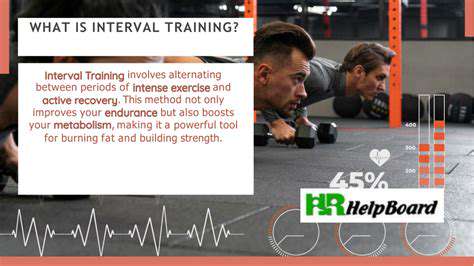
The Ultimate Guide for Runners What is Interval Training?Interval training is a highly effective workout method that alternates between high-intensity exertion and low-intensity recovery, tailored to enhance both speed and endurance. This scientifically proven approach not only elevates VO2 max—boosting cardiovascular fitness—but also promotes faster race times. Benefits of Interval Training for Runners1. Speed Enhancement: Short, intense bursts followed by active recovery improve running speed and efficiency. Studies indicate that integrating sprints into training routines can lead to 3-5% better race times compared to traditional methods.2. Increased Endurance: Structured intervals train your body to utilize energy efficiently, pushing your lactate threshold higher for prolonged performance during long races, like marathons.3. Time Efficiency: With sessions lasting just 20-30 minutes, interval training is perfect for busy schedules, delivering substantial fitness gains in less time than traditional running.4. Mental Fortitude: Engaging in varied workouts not only combats workout monotony but also fosters motivation through achievable goals and community support during training.5. Nutritional Boost: Proper fueling strategies enhance the benefits of interval training. A balanced diet rich in carbohydrates and protein supports recovery and performance. Types of Interval Training- High-Intensity Interval Training (HIIT): Short, extreme efforts followed by rest, consistently enhancing aerobic capacity. - Fartlek Training: An unstructured method allowing for spontaneous speeding up and slowing down, ideal for improving pacing without rigid planning. - Tempo Runs: Sustained efforts at a challenging pace perfect for boosting lactate threshold and endurance. - Long Intervals: Running at high speeds for extended distances, promoting VO2 max enhancements.- Hill Repeats: Strength-building exercises focusing on incline running to boost leg power and efficiency. Incorporating Interval Training into Your RoutineDeveloping an effective interval training plan starts by assessing your current fitness levels and establishing clear goals. Beginners should initiate with lighter intervals, gradually increasing intensity and duration. Experienced runners can explore advanced methods like pyramid intervals or hill sprints.To fit interval training into your weekly schedule, aim for two to three specific days dedicated to high-intensity workouts, complemented by longer, steady-state runs on alternate days. Always ensure proper warm-ups and cool-downs for optimal recovery. ConclusionIncorporating interval training into your running routine can significantly elevate your athletic performance. With numerous methods available tailored to individual fitness levels, this training style not only enhances speed and endurance but also supports longevity and reduces the risk of injuries. Start today to take your running to the next level!For more information and actionable tips, explore our related links on effective training strategies and nutritional guidance!
Mar 14, 2026
- Enhanced Posture: Maintaining proper alignment reduces energy wastage, helping runners move more efficiently.- Reduced Fatigue: Improved core strength prevents early onset of fatigue by ensuring effective muscle use.- Increased Speed: Research shows that core strength plays a significant role in superior energy transfer, allowing runners to maintain speed with less effort. Core Strength TrainingTo develop a robust core, consider incorporating these exercises into your routine:- Basic Exercises: Planks and bridges help establish foundational strength.- Dynamic Movements: Medicine ball throws and rotational exercises engage multiple muscle groups for enhanced coordination.- Resistance Training: Focus on exercises that combine stability with power to amplify core strength.Aim for two to three core workouts weekly, focusing on balance and proper form during running to avoid injuries. Utilizing tools like stability balls can challenge your core further and lead to superior performance results. Improving Running EfficiencyResearch confirms that an improved running posture, supported by a strong core, directly relates to better performance and efficiency. Maintaining proper alignment allows for optimal breathing patterns, further enhancing endurance. Speed and Power DynamicsCore strength directly influences leg power, which is critical for running speed. Studies have shown that athletes with stronger core muscles can produce significantly more force, translating to faster race times. Injury PreventionA strong core acts as a safety mechanism against common running injuries. By stabilizing the pelvis and spine, core strength minimizes the risk of injuries like shin splints and stress fractures. Incorporating Core WorkIntegrate core training into your running regimen by scheduling specific sessions for core workouts alongside running routines. A balanced approach that includes interval training, long-distance runs, and dedicated core sessions will optimize speed and endurance. ConclusionCore strength is not merely an ancillary part of a runner’s training but a fundamental component vital for improved performance. By prioritizing core strength and integrating targeted exercises into your routine, you can significantly boost your running efficiency, speed, and overall athletic capability. Regularly track your progress and adjust your training to continue challenging your core, ensuring lasting improvements in your running ability.
Mar 16, 2026
Aligning Speed Development with GoalsUltimately, speed development is a critical factor in a runner's readiness for competition. Setting clear, achievable goals—rooted in speed training—can create a structured pathway toward success. For serious runners, prioritizing speed work within their training plans will foster overall improvements, making for gratifying race experiences.---For more insights into off-season training and enhancing your performance, explore structured plans tailored to your goals. Dive into key components like interval training and strength building that complement speed development.
Mar 19, 2026
A Comprehensive GuideStay on track with your winter running goals by embracing indoor training, gradually acclimatizing to outdoor conditions, and incorporating strength training into your routine. This guide provides valuable insights on how to train effectively despite the seasonal challenges. 1. Embrace Indoor TrainingUtilize Treadmills Effectively Treadmills are perfect for maintaining pace and distance during winter. Research shows that training on them can offer similar aerobic benefits to outdoor running when adjustments in incline and speed are applied. This not only enhances your cardiovascular fitness but also mimics outdoor conditions, effectively keeping your routine dynamic.Incorporate Strength Training Strength training is crucial for runners, especially in colder seasons. Exercises like squats and lunges can improve running efficiency and decrease injury risks. Focus on core and hip workouts to enhance stability for longer runs. A consistent strength regimen can complement your running while building muscle resilience. 2. Gradual Outdoor AdaptationUnderstanding the Importance of Gradual Adaptation Avoid injuries by adapting to outdoor winter conditions gradually. Start with shorter runs (20–30 minutes) several times a week, and track your energy levels to gauge your body’s responses.Incorporating Interval Training Boost your running endurance with interval training, alternating between high-intensity sprints and recovery periods. This method improves cardiovascular efficiency and prepares you for extended runs. 3. Adjusting to Weather ConditionsGear Up for Success Choosing appropriate cold-weather gear, including moisture-wicking base layers and insulated outer layers, is essential for comfort. Invest in high-quality winter running shoes to enhance traction and reduce injury risks.Listening to Your Body Pay close attention to how your body reacts during runs. Adjust your training plan if you experience discomfort or fatigue. Proactive self-care can prevent injuries and ensure sustained endurance development. 4. Nutrition and HydrationUnderstanding Macronutrients for Endurance Optimize your nutrition with a focus on macronutrients: carbohydrates, proteins, and fats. Keep your carbohydrate intake high and ensure adequate protein for muscle recovery, especially during winter training. Staying hydrated is vital, even in colder temperatures.Meal Timing and Pre-Run Nutrition Consume a balanced meal 2-3 hours before running to fuel your workout. Experiment with different foods to find what works best for your pre-run routine. 5. Set Realistic GoalsUnderstanding the Importance of Goal Setting Define specific, measurable, achievable, relevant, and time-bound (SMART) goals to stay motivated through the winter season. Break down long-term objectives into manageable short-term milestones to track your progress effectively.Staying Flexible with Your Goals Adapt your training as winter weather changes. If harsh conditions arise, substitute outdoor runs with treadmill workouts or cross-training alternatives. Prioritize recovery and adjust goals as needed, focusing on gradual and sustainable progress.This comprehensive guide helps you maintain your running routine throughout winter, ensuring you build endurance safely and effectively. Embrace the season with strategic training and proper planning!
Mar 29, 2026
View Publications>>

Hot Recommendations