Using Gratitude to Focus on What Your Body CAN Do
Understanding the Role of Gratitude in Rehabilitation
Research indicates that Practicing gratitude can significantly influence recovery outcomes for individuals facing physical limitations. A study published in the journal Psychotherapy Research demonstrated that participants who regularly expressed gratitude experienced improved mental well-being and better engagement in therapeutic activities. This can be particularly important for those undergoing rehabilitation, as mental health plays a crucial role in physical recovery.
Practicing gratitude can shift an individual's focus from what they cannot do to what they can achieve. For example, someone recovering from an injury may initially feel frustrated by their limitations. However, by consciously recognizing and appreciating small progress, such as improved mobility or increased strength, they can foster a more positive mindset that enhances their commitment to recovery. This perspective shift is not just psychological; it can lead to tangible improvements in physical abilities as well.
Building a Supportive Environment for Body Positivity
Creating an environment that fosters gratitude and a focus on abilities can significantly enhance one’s outlook on physical limitations. Simple practices like setting up a gratitude board or journal can help individuals reflect on and document daily achievements, no matter how small. Such methods serve as powerful reminders of progress, thus reinforcing a more positive self-image and encouraging a proactive approach to resilience and recovery.
Moreover, social support networks play an essential role in maintaining a positive attitude towards one's body. Engaging with like-minded individuals who share their experiences can inspire and motivate individuals to celebrate their capabilities rather than dwell on their limitations. Research shows that social interactions can boost one’s mood and motivation, which are crucial when facing physical challenges. By surrounding themselves with positivity, individuals can tap into the collective strength that enhances their journey towards healing.
The Science Behind Gratitude and Well-Being
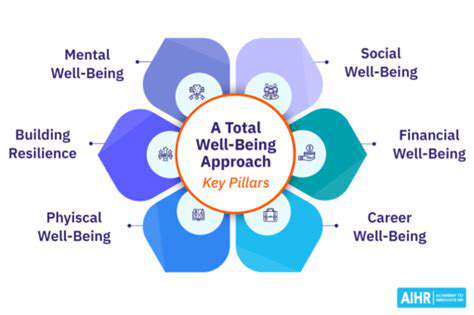
Understanding the Neurobiology of Gratitude
Recent studies indicate that gratitude is not just a feeling but a complex Neurobiological Process. When we express gratitude, our brain releases neurotransmitters such as dopamine and serotonin, which promote feelings of well-being. This hormonal response not only enhances mood but also fosters a sense of connection with others. Research published in the journal *Neuropsychology* highlights that regular practices of gratitude can effectively alter brain pathways, essentially rewiring our response to stress and adversity.
For example, a study conducted by Emmons and McCullough found that participants who maintained weekly gratitude journals exhibited increased levels of positive affect and increased life satisfaction compared to control groups. Over time, these changes can help individuals focus more on what their body can do rather than on its limitations.
The Psychological Impact of Gratitude Practices
- Gratitude can shift focus from negative aspects of life to positive ones.
- It can improve resilience in the face of challenges.
- Regularly practicing gratitude enhances emotional health.
Incorporating gratitude practices into daily routines can lead to significant Psychological Benefits. By simply reflecting on positive elements in life, individuals can develop a more optimistic outlook. This shift is particularly beneficial for those dealing with chronic illnesses, as it helps them identify aspects of their life that remain enjoyable and fulfilling. Research suggests that those who routinely express thanks report lower levels of depression and anxiety, promoting better overall health.
Practical Applications of Gratitude in Daily Life
Finding ways to express gratitude daily can create a ripple effect in your mental and emotional health. Simple practices, like writing a thank-you note or keeping a gratitude journal, can truly make a difference. Over time, these activities encourage individuals to appreciate their body's capabilities rather than fixate on its limitations. Furthermore, sharing gratitude with others can not only strengthen relationships but also cultivate a supportive community around shared experiences.
The positive effects of expressing gratitude are backed by research. A meta-analysis from the *Journal of Happiness Studies* found that gratitude interventions have a tangible effect on life satisfaction, indicating that the benefits extend beyond a temporary mood boost. Therefore, actively integrating feelings of thankfulness into your daily routine can enhance not just personal well-being but also the well-being of those around you.
Practical Ways to Cultivate Gratitude for Your Body
Understanding the Benefits of Gratitude for Physical Well-Being
Research shows that Cultivating gratitude can lead to significant improvements in physical health. For example, a study published in the Journal of Personality and Social Psychology highlights that individuals who practice gratitude exhibit lower levels of stress and are more likely to engage in healthier behaviors. This is particularly relevant in today’s fast-paced environment where stress levels are high.
One of the less frequently discussed benefits of gratitude is its ability to lower blood pressure. A study by the University of California, Berkeley, found that grateful individuals often have better cardiovascular health, attributed to reduced anxiety levels. This connection is crucial for those who have a family history of heart issues.
Daily Practices for Enhancing Body Gratitude
Incorporating simple daily practices can foster an attitude of gratitude toward one’s body. Start each morning by acknowledging one or two aspects of your body that you appreciate. Whether it's strong legs that enable you to walk, or arms that hug your loved ones, listing these attributes can set a positive tone for the day.
Another effective approach is maintaining a gratitude journal specifically focused on physical aspects. Set aside time each week to write down your feelings, ensuring that you articulate specific functions rather than mere appearances, such as the ability to breathe easily during exercise or the comfort of restful sleep.
Don't underestimate the power of verbal affirmations. Telling yourself affirmations, like I am grateful for my energy and strength, can rewire negative thought patterns. This mental shift can lead to a more conscious appreciation of your body throughout daily life.
Engaging in Physical Activities Mindfully
Mindful movement is an excellent tool for cultivating gratitude for your body. Activities like yoga or tai chi emphasize connection with your body and breath, allowing you to appreciate what your body can achieve. According to a report from the American Mindfulness Research Association, mindfulness practices can reduce feelings of inadequacy and increase overall body satisfaction.
Group exercise can also enhance this experience. Engaging in activities like dance or team sports not only provides physical benefits but encourages a sense of community and collective gratitude. Research indicates that social support within these settings can amplify feelings of gratitude and belonging.
Building a Supportive Environment for Body Gratitude
Your environment plays a critical role in fostering gratitude. Surround yourself with positive influences—friends who celebrate achievements rather than criticize imperfections can change your perspective. Engagement in online communities focused on body positivity can also provide uplifting support that is often missing in day-to-day life.
Cultivating gratitude can also extend to the spaces around you. Creating a living space that promotes relaxation and joy can serve as a constant reminder to be grateful for your body. Incorporate elements that inspire you, such as motivational posters or photos from active moments in your life.
Educational Resources and Support for a Gratitude Practice
To deepen your understanding of gratitude, consider reading books or attending workshops focused on this subject. Several titles, such as The Gratitude Diaries by Janice Kaplan, delve into how gratitude can transform your outlook on life and physical health. Engaging with these resources can provide evidence-based strategies to incorporate gratitude into your daily routines.
Moreover, connecting with professionals like counselors or life coaches can enhance your gratitude practice. These experts can provide personalized strategies and hold you accountable, ensuring you make gratitude a regular part of your life.
Online platforms also offer numerous apps that focus on gratitude journaling or daily prompts. Utilizing technology can make it easier to develop a consistent practice, leading to long-term benefits that extend beyond mere acknowledgment of your body's abilities.
Connecting with Community Through Shared Gratitude

Understanding the Impact of Gratitude on Community Well-Being
Research indicates that practicing gratitude can significantly enhance psychological well-being within communities. A study found that individuals who regularly express gratitude tend to report lower levels of stress and anxiety.
Moreover, communities that foster gratitude often experience stronger social ties. According to the Greater Good Science Center, Communities characterized by gratitude witness increased collaboration among members, leading to a more supportive environment.
- Gratitude promotes psychological well-being.
- Strong social ties within communities enhance support systems.
- Gratitude fosters collaboration and teamwork among community members.
Therefore, by encouraging environments where gratitude is a cornerstone, communities can strengthen their emotional fabric while simultaneously improving the overall quality of life for their members. Individual efforts to express appreciation can be contagious and inspire collective actions.
Creating Platforms for Gratitude Sharing
Establishing opportunities for community members to share their gratitude can have profound effects. Examples include community bulletin boards or online platforms, such as Facebook groups or local forums dedicated to expressing thanks. These platforms not only encourage gratitude but also create a sense of belonging and inclusion.
According to a survey from the Pew Research Center, almost 72% of individuals reported feeling more connected to others through social media when sharing positive experiences. Thus, utilizing these platforms effectively can help people recognize the contributions of those around them and appreciate the resources available within their community.
In addition to digital platforms, organizing gratitude events, such as community dinners or volunteer days, can enhance communal ties. These events allow for in-person interactions that deepen relationships, which is vital in a world where digital communication often outweighs face-to-face contact.
Transforming Personal Gratitude into Collective Action
Turning individual acts of gratitude into collective action can be a powerful way to enhance community strength. For instance, families expressing gratitude for local services can lead to organized efforts to support those services financially or through volunteer work. This cycle of recognition and action enriches both the giver and the receiver.
Community projects like clean-up days or fundraisers often find their roots in grateful sentiments. Research from Stanford University shows that organized volunteerism can increase a community's ability to respond to collective challenges, enhancing resilience and adaptability.
Moreover, creating initiatives where people can collectively contribute based on their gratitude ensures that everyone's voices and contributions are valued. To implement this successfully, it is essential to regularly open dialogues, allowing members to express appreciation and suggest community improvements.
Read more about Using Gratitude to Focus on What Your Body CAN Do











Hot Recommendations
-
*Healthy Breakfast Ideas Without Grains or Sugar
-
*Healthy Meal Ideas for Post Workout Weight Loss
-
*Healthy Smoothie Recipes for Muscle Recovery
-
*Healthy Meals to Cook in 15 Minutes or Less
-
*How Mental Fortitude Impacts Running Speed
-
*Lower Back Pain Relief from Acupuncture and Massage
-
*Exercises for Lower Back Alignment and Symmetry
-
*Lower Back Strengthening for Busy Professionals
-
*How to Improve Your Running Stride Naturally
-
*Gratitude and Pain Management: A Mind Body Connection