Cooking Healthy Meals on a Tight Budget
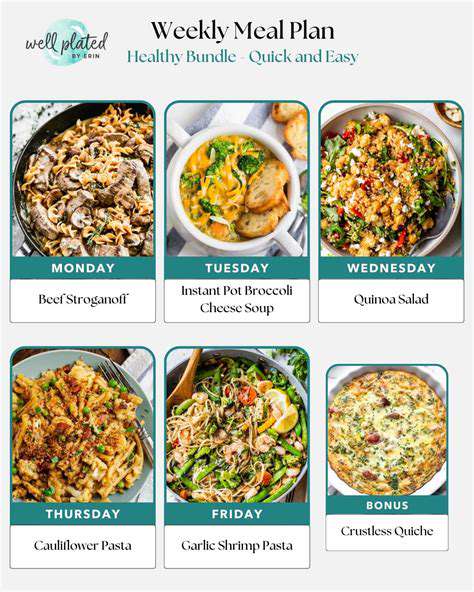
Understanding the Basics of Meal Planning
- Meal planning involves organizing meals for the week ahead.
- It can significantly reduce grocery costs by minimizing waste.
- Essential components include budgeting, selecting recipes, and shopping smart.
Meal planning is the practice of organizing your meals for an entire week or even a month, allowing you to make smart choices while grocery shopping. By creating a detailed plan, you can more effectively manage your budget and time. Many home cooks find that planning ahead leads to reduced stress, as they know exactly what they will be eating and when.
This approach also helps in avoiding those last-minute takeout meals that can quickly add to expenses. Additionally, meal planning allows you to review what ingredients you already have at home, which can inform your meal selection and prevent unnecessary purchases.
Budgeting for Your Meal Plan
Establishing a budget is crucial for effective meal planning. Determine how much you can spend weekly on groceries and then allocate funds accordingly for various categories of food items, such as vegetables, proteins, and grains. By sticking to a budget, you can ensure that your cooking remains both healthy and financially sustainable.
For instance, if you know that chicken is on sale, you can adjust your meal plan to incorporate it multiple times throughout the week. It’s also beneficial to use a spreadsheet or budgeting app to monitor your spending in real time, which will help you stay on track. Look out for seasonal sales or coupons, as they can also lead to substantial savings.
Selecting Recipes Wisely
Choosing the right recipes can make or break your meal planning campaign, especially on a budget. Search for meals that utilize similar ingredients; this not only reduces waste but can also lower costs. Ideally, your recipes should include a variety of proteins, vegetables, and meals that can be easily frozen for later consumption. This variety keeps meals exciting and enjoyable, combating the monotony that can occur with budget cooking.
Moreover, it’s helpful to incorporate some simple, versatile staples such as rice, pasta, or beans into multiple dishes. For example, a big batch of chili can be served with rice one day and turned into tacos the next. Always keep an eye out for recipes that offer equivalent servings for the price—this is an essential principle in meal planning.
Effective Grocery Shopping Strategies
Once your meals are planned and your budget is set, it’s time to tackle the grocery store. A well-prepared shopping list based on your meal plan helps in avoiding impulse buys, which can quickly derail your budget. Start by noting down all the ingredients you need, organized by type, to minimize time spent in-store. Consider shopping at local farmer’s markets, which often offer fresh produce at lower prices than grocery chains.
Additionally, don’t hesitate to buy in bulk for items that you use regularly, such as grains and legumes. Just be sure you have the storage space and that these items won’t go to waste. If you encounter special discounts on whole foods like meats or fish, consider buying extras and freezing them for later use.
Using loyalty cards or cashback offers can also help you save more over time, so take them into account whenever you shop.
Evaluating and Adjusting Your Meal Plan
After implementing your meal plan, it’s essential to evaluate its effectiveness. Did you stick to your budget? Were there any recipes that you didn’t enjoy? Adjusting your plan based on these reflections can enhance future meal preparations. Consider keeping a food diary where you can note what worked and what didn’t, as this will help you tailor your planning to fit your tastes and your household's needs.
Regular adjustments not only optimize your meals but can also reduce waste by ensuring you're cooking foods that you and your family genuinely enjoy. Consulting various cooking blogs or engaging with online communities can provide fresh ideas and support to keep your meal planning journey on track.
Choosing Budget-Friendly Ingredients
Understanding Cost-Effective Protein Sources
When cooking on a budget, protein can often be the most expensive component of a meal. However, there are numerous cost-effective sources that can be incorporated without sacrificing nutrition. For example, beans, lentils, and chickpeas are not only affordable but also packed with protein and dietary fiber. In fact, lentils provide about 18 grams of protein per cooked cup and cost roughly $1 per pound.
Additionally, eggs are an excellent budget-friendly protein source. They are versatile and can be used in a variety of dishes, from breakfast omelets to dinner frittatas. Consider also incorporating less popular meats like chicken thighs or ground turkey, which tend to be cheaper than their higher-demand chicken breast or beef counterparts. These alternatives can provide significant savings while still delivering great taste and nutrition.
Seasonal and Local Produce Choices
Buying seasonal and local produce is not only budget-friendly but also supports local farmers and ensures freshness. Seasonal fruits and vegetables often come at a lower price because they don’t incur hefty transportation costs. For instance, buying tomatoes in bulk during the summer when they are in season can help you save money while enjoying their peak flavor.
Joining a community-supported agriculture (CSA) program or visiting local farmers' markets can provide access to fresh, affordable produce. Typically, these avenues allow consumers to purchase vegetables directly from growers at reduced prices. Research has shown that individuals who prioritize local produce often enjoy a broader array of nutrients due to the shorter time between harvest and consumption.
Utilizing Whole Grains Wisely
Whole grains are another economical choice to consider when devising meals on a budget. They are not only nourishing but also quite filling, which can help stretch your food dollar. Options like brown rice, oats, and whole wheat pasta are often available at very competitive prices. Buying these grains in bulk can further reduce costs and minimize waste.
It's important to remember that whole grains provide essential nutrients such as B vitamins, iron, and dietary fiber, which are crucial for a well-rounded diet. When planning your meals, aim to incorporate these into every dish, as they can serve as a solid base for soups, stews, salads, or as side dishes. Moreover, combining whole grains with beans can create a complete protein, optimizing both nutrition and affordability.
For those concerned about cooking time, consider investing in a slow cooker or rice cooker, which can prepare grains easily and without requiring your full attention.
Smart Shopping Strategies
Effective grocery shopping is essential for maintaining a Budget-Friendly Meal Plan. Firstly, creating a shopping list can help keep you focused and reduce impulse buys, which can quickly add up. Try to plan meals for the week ahead, using ingredients that can be repurposed across multiple dishes, such as choosing a large batch of chicken that can go into stir-fries and salads.
Another strategy is to take advantage of sales and coupons. Many grocery stores offer loyalty programs where customers can access exclusive discounts or cash back on future purchases. Also, consider purchasing store-brand items rather than name brands; they typically offer similar quality at a fraction of the price. Price comparison apps can also be helpful in identifying the lowest prices available.
Meal Prep and Leftover Management
Meal prepping can save both time and money while ensuring that you stick to your healthy eating goals. Preparing meals in advance means you're less likely to resort to expensive takeout options when time is tight. Set aside a couple of hours each week to cook large batches of grains, proteins, and vegetables that can be mixed and matched throughout your week.
Don't overlook the power of leftovers. Transforming meals into new dishes can help avoid food waste and maximize your ingredients. For example, leftover roasted vegetables can be turned into a hearty soup or added to a frittata. Invest in good-quality storage containers to keep food fresh and within easy reach.
Planning for leftovers is also a clever way to stretch your budget. If you're cooking meat, consider making enough for two meals—an entreé one night followed by shredded meat tacos the next. By doing this, you’ll not only save time but also money by minimizing excess food waste.
Smart Cooking Techniques for Healthy Dishes
Understanding Meal Prep for Financial Savings
Meal prepping can significantly reduce food waste and expenses. Studies have shown that individuals who meal prep save, on average, up to 30% on their weekly grocery bills. The key to successful meal prep lies in planning meals around what ingredients are on sale or in season, thus maximizing freshness and minimizing costs.
By dedicating a few hours each week to meal preparation, you can create a variety of healthy dishes. Cooking in bulk not only saves time but also encourages portion control. For example, consider preparing simple staples like quinoa, roasted vegetables, and lean proteins in larger quantities. This way, you can mix and match them throughout the week, providing varied and nutritious meals.
Utilizing Seasonal and Local Ingredients
Choosing seasonal produce is a smart strategy for budget-friendly cooking. Farmers' markets often offer local ingredients at lower prices compared to grocery chains. Moreover, seasonal fruits and vegetables taste better and retain higher nutritional value. For instance, incorporating kale, squash, and root vegetables in the winter can lead to delicious and healthy meals while keeping costs low.
Additionally, building relationships with local farmers can also yield discounts, especially during harvest seasons. Community Supported Agriculture (CSA) programs offer a variety of fresh produce at competitive rates, helping you to diversify your diet without straining your budget.
Remember to also check local co-ops and online marketplaces, which may provide better deals on entire produce boxes than standard supermarket prices. The effort spent finding these local resources can result in both healthier meals and financial savings.
Smart Cooking Methods to Enhance Nutrition
Opting for healthier cooking methods can make a substantial difference in your dishes. Techniques such as steaming, grilling, and sautéing use less oil than frying, thereby reducing calorie content without compromising flavor. Research indicates that steaming vegetables preserves more vitamins compared to boiling, making it a preferred method for maintaining overall nutrition.
Another effective technique is to incorporate more one-pot meals. This cooking style simplifies the process and minimizes cleanup. Dishes like soups and stews allow you to combine proteins, vegetables, and grains into a single meal, which not only saves effort but also optimizes flavors through blending ingredients. Being deliberate about cooking methods helps in preparing lighter, healthier dishes.
Moreover, incorporating spices and herbs, as opposed to relying solely on salt or sugar, can enhance flavors while keeping meals nutritious. Experimenting with herbs such as basil, cilantro, and spices like cumin or paprika can elevate your cooking, making it more appealing without adding unnecessary calories.
Healthy Recipe Ideas on a Budget
Understanding the Importance of Budget-Friendly Meals
Eating healthily while adhering to a strict budget is both an art and a science. According to the USDA's Economic Research Service, food waste accounts for about 30% to 40% of the food supply in the U.S., illustrating the importance of meal planning and smart shopping. Poor budgeting leads not only to financial strain but also to unhealthy eating habits, particularly reliance on processed and fast foods, which are often cheaper but less nutritious.
By focusing on Budget-Friendly Meals, you can maintain a nutritious diet without sacrificing quality or flavor. Incorporating seasonal produce and local products can significantly reduce costs while ensuring that you consume nutrient-dense options. This approach not only helps your wallet but also supports local agriculture and reduces your carbon footprint.
Essential Ingredients for Budget Meals
When creating budget-friendly meals, it's crucial to stock your pantry with versatile ingredients. Items like beans, lentils, and whole grains serve as excellent bases for meals, providing both protein and fiber at a low cost. For instance, lentils can be purchased in bulk for less than a dollar per pound and can be transformed into soups, salads, or meat substitutes.
Frozen fruits and vegetables are another affordable option, as they retain nutritional value and have a longer shelf life than fresh produce, reducing waste. Essentially, keeping a well-stocked pantry with these staples not only simplifies meal preparation but also helps you experiment with different recipes.
Simple and Nutritious Breakfast Ideas
Breakfast is often hailed as the most important meal of the day, but it doesn't need to be expensive. Oatmeal, for example, is a budget-friendly option that can be tailored to your taste with a variety of toppings. A bowl of oatmeal, prepared with water or milk, can be accompanied by seasonal fruits, nuts, or a drizzle of honey for added flavor and nutrition.
Another great option is yogurt parfaits with homemade granola. By making your granola at home, using oats, nuts, and a bit of honey or maple syrup, you can keep costs down and customize your breakfast according to your dietary needs. These meals are not just easy on the wallet; they also provide essential nutrients to kickstart your day.
Affordable Lunch and Dinner Recipes
Finding budget-friendly lunch and dinner recipes can greatly reduce overall food expenses. A classic vegetable stir-fry with rice is a top-tier choice, allowing you to use whatever vegetables you have on hand. This dish is easily customizable, utilizing both fresh and frozen produce, and can be bulked up with tofu or chicken, depending on your preferences and budget.
Chili is another economical meal that packs a punch. By using canned tomatoes, kidney beans, and spices, you create a filling dish that can last for multiple meals. It’s perfect for meal prepping, saving time and effort on busier days while allowing you to enjoy nutritious, delicious food throughout the week.
Snacks That Won't Break the Bank
Healthy Snacking doesn't have to be an expensive affair. Preparing your snacks instead of buying pre-packaged options is a great way to save money. For example, making your trail mix with bulk nuts, seeds, and dried fruit provides a nutritious energy boost without breaking the bank. You can adjust the mixture according to what's on sale, keeping costs down further.
Homemade popcorn is another affordable snack choice, offering a whole grain option that's both low in calories and high in fiber. By popping your corn on the stovetop or in an air popper, you can control the ingredients and flavors, making it a healthier alternative to store-bought munchies.
Tips for Meal Planning and Preparation
Effective meal planning is a strategy that enables you to save both time and money. Start by creating a weekly menu that emphasizes fresh ingredients and includes a variety of food groups. This not only ensures nutritional balance but also allows you to optimize your grocery shopping by buying in bulk and using similar ingredients across multiple dishes.
Batch cooking is a recommended approach that can offer significant savings in both time and resources. Prepare larger portions of stews, soups, or casseroles and freeze them in individual servings. This strategy will not only keep you from reaching for convenience foods on busy nights but also help mitigate food waste.
Read more about Cooking Healthy Meals on a Tight Budget












Hot Recommendations
-
*Lower Back Health for Office Workers: A Daily Guide
-
*Healthy Sandwich Ideas for Weight Loss Lunches
-
*Strength Training vs. Running: Finding the Balance
-
*How to Use Fartlek Runs to Improve Speed Play
-
*The Role of Proprioception in Preventing Back Injury
-
*Healthy Low Carb Snacks for the Afternoon Slump
-
*Running Economy: Tips to Run Longer and Faster
-
*Using Gratitude to Reduce Symptoms of PTSD
-
*Common Muscle Strains in the Back: Home Care Tips
-
*The Benefits of Pilates for Spinal Health