The Science of Running Endurance: Aerobic vs. Anaerobic
Role of Anaerobic Systems in Endurance Training
While aerobic systems are critical for endurance, anaerobic systems also play a pivotal role in enhancing overall performance. When athletes integrate High-Intensity Interval Training (HIIT) into their programs, they engage their anaerobic energy systems, which can improve both power and endurance. Evidence suggests that even small doses of anaerobic training can lead to significant improvements in an athlete’s speed and recovery times.
Another point to consider is how anaerobic systems can aid in lactate threshold improvement. Training that targets anaerobic pathways will adapt the body to handle and clear lactate more efficiently. This enables athletes to perform at higher intensities for longer periods. Thus, a well-rounded training program should not solely focus on long runs but also incorporate intervals and sprint work.
Impact of Nutrition on Anaerobic Energy Output
The effectiveness of anaerobic energy systems can be significantly influenced by nutrition. To fuel high-intensity efforts, it’s crucial to consume meals rich in carbohydrates and proteins, which help replenish glycogen stores. Research indicates that a diet tailored for athletes, with an appropriate ratio of macronutrients, can enhance both performance and recovery. This means not only focusing on pre-workout meals but post-exercise nutrition is equally important to restore energy.
Additionally, supplements like creatine are often discussed in the context of anaerobic performance. Creatine supplementation can lead to increased stores of phosphocreatine in the muscles, providing athletes with the capacity for more explosive efforts during training or competition. However, it's essential for individuals to consult with a nutrition professional to devise a plan that aligns with their specific needs and goals.
Hydration also plays a vital role in maintaining energy levels. Dehydration can drastically diminish performance in anaerobic tasks, significantly affecting strength and speed. Therefore, understanding the balance of fluid intake—particularly during intense training—can directly impact the effectiveness of anaerobic systems.
Training Strategies to Enhance Anaerobic Capacity
To maximize the benefits of anaerobic energy systems, athletes need to implement effective training strategies. One common approach is interval training, which alternates short, intense bursts of activity with recovery periods. This method not only boosts anaerobic power but also contributes to improved cardiovascular fitness when structured properly. Different variations include Tabata workouts and other sprint interval protocols.
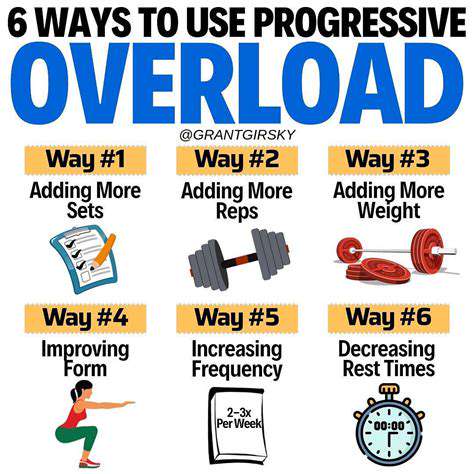
Strength training is another effective way to improve anaerobic capacity. Engaging in exercises that stimulate muscle hypertrophy and strength can enhance the phosphagen system's efficiency. Lifting heavier weights with lower rep counts, coupled with adequate rest, allows the body to adapt and strengthen its anaerobic pathways.
Lastly, monitoring training loads and fatigue through wearables or performance apps helps in adjusting the training intensity effectively. This data-driven approach ensures that athletes can find the right balance in their anaerobic training regimen to avoid overtraining while maximizing performance results.
How Aerobic and Anaerobic Systems Work Together

Understanding Aerobic Systems
Aerobic systems utilize oxygen to produce energy during prolonged physical activity. This energy generation primarily emanates from carbohydrates and fats. Aerobic exercise is characterized by activities such as running, swimming, and cycling at a steady pace, which helps improve cardiovascular fitness over time.
This system operates efficiently at lower intensities, allowing for sustained activity often exceeding several minutes. Significant adaptations occur in both the cardiovascular and muscular systems, enhancing oxygen transport and utilization, ultimately enabling athletes to perform longer before fatigue sets in.
Exploring Anaerobic Systems
The anaerobic system creates energy without relying on oxygen, primarily during high-intensity, short-duration activities—think sprinting or heavy lifting. The primary fuel sources for anaerobic metabolism are muscle glycogen and glucose, which result in the production of lactic acid, a byproduct that can lead to fatigue. Understanding this system is crucial for athletes focusing on speed and power in their training regimens.
- Anaerobic performance typically lasts about 30 seconds to 2 minutes.
- This system relies heavily on the phosphagen and lactic acid energy system.
- Improving anaerobic capacity involves high-intensity interval training (HIIT).
Integration of Aerobic and Anaerobic Energy Systems
The interplay between aerobic and anaerobic systems is crucial for overall athletic performance, particularly in endurance sports that require bursts of speed. For instance, during a long-distance run, an athlete may predominantly use aerobic metabolism, but will shift to anaerobic bursts when sprinting to the finish line or needing to avoid an obstacle. This integration allows athletes to optimize performance through proper training strategies.
Trainers often emphasize the importance of incorporating both aerobic and anaerobic exercises into training routines. By doing so, athletes can ensure they are well-rounded, capable of handling numerous physical challenges during competitions.
Implications for Training Regimens
Training that focuses on both the aerobic and anaerobic systems enables athletes to improve their endurance and performance significantly. For example, dedicated aerobic workouts can boost overall stamina, while anaerobic sessions can enhance speed and power. Understanding how to balance these aspects can lead to better results in competitions. Incorporating a mix of long runs and interval training, tailored to individual goals, can create a well-rounded program.
Furthermore, athletes should consider their specific sports when designing a training plan. For instance, a middle-distance runner might rely more on anaerobic systems, while a marathoner focuses on optimizing their aerobic capacity. Customization of training depending on race distances and required energy systems is crucial.
Impact of Nutrition and Recovery
Nutritional choices profoundly affect the efficiency of both aerobic and anaerobic systems. Consuming the right mix of carbohydrates, proteins, and fats can optimize performance and recovery. Athletes should prioritize nutrient-dense foods to fuel their workouts. This nutritional focus can significantly enhance recovery, ensuring that both energy systems are replenished for optimal performance in subsequent training sessions.
Moreover, recovery practices like hydration, sleep, and targeted stretching are vital. They can enhance athletes' ability to switch effectively between aerobic and anaerobic systems. Neglecting these aspects can hinder performance and lead to burnout or injury over time.
Training for Optimal Endurance
Understanding Aerobic Training Benefits
Aerobic training primarily relies on the utilization of oxygen to generate energy during prolonged activities. This form of training enhances the body's ability to transport and utilize oxygen more efficiently, which is crucial for endurance sports. Numerous studies indicate that a well-structured aerobic training regimen can improve cardiovascular fitness significantly, with the American College of Sports Medicine recommending at least 150 minutes of moderate-intensity aerobic exercise weekly for optimal health benefits.
Not only does aerobic training contribute to improved lung function and heart health, but it also aids in fat metabolism. Engaging in continuous, moderate exercise helps train the body to utilize fat stores more effectively as a primary fuel source. By fostering the growth of mitochondria—the powerhouses of cells—this type of training supports better endurance performance, allowing athletes to sustain their effort over longer periods without fatigue.
Incorporating Anaerobic Training Techniques
Anaerobic training, on the other hand, primarily relies on energy sources stored in the muscles, allowing for short bursts of high-intensity activity. This type of training is essential for athletes engaged in sports that require quick, explosive movements, such as sprinting or interval racing. Research shows that incorporating anaerobic workouts, including high-intensity interval training (HIIT), can lead to significant improvements in speed and power output. Notably, athletes often find that these sessions enhance their overall race performance by increasing their lactate threshold, enabling them to maintain higher intensities for longer durations.
To maximize endurance, it’s beneficial to integrate both aerobic and anaerobic training into your routine. For example, a classic approach is to alternate days of longer, low-intensity runs with shorter, more intense workouts. This combination not only builds an athlete’s aerobic base but also sharpens their speed, ultimately leading to superior performance. Additionally, many coaches advocate for this structured approach, as it reduces the risk of injury while ensuring well-rounded development for athletes of all levels.
Measuring Endurance: Assessing Aerobic and Anaerobic Fitness
Understanding Aerobic Fitness and Its Measurement
Aerobic Fitness primarily refers to the body’s ability to efficiently utilize oxygen during prolonged physical activity. Key metrics for assessing this aspect include VO2 max, or maximal oxygen uptake, which quantifies the maximum amount of oxygen the body can use during intense exercise. Research suggests that elite endurance athletes typically have a VO2 max exceeding 70 ml/kg/min. Monitoring this value can provide insights into an athlete's cardiovascular conditioning and overall endurance potential.
Another significant measurement related to aerobic fitness is the lactate threshold, which indicates the intensity of exercise at which lactic acid begins to accumulate in the bloodstream. By identifying the lactate threshold, athletes can optimize their training regimens. For example, training at or near this threshold can improve endurance and performance by enhancing the body's ability to clear lactic acid, thereby delaying the onset of fatigue during exercise.
Evaluating Anaerobic Fitness and Its Importance
Anaerobic Fitness is essential for activities that require short bursts of high intensity, such as sprinting or weightlifting. One of the core assessments of anaerobic capacity is the Wingate Test, which measures peak power output during a short, all-out 30-second effort. Results from the Wingate Test can help identify weaknesses in an athlete’s performance and guide specific training strategies aimed at increasing anaerobic capacity.
Additionally, it is crucial to understand the role of the phosphagen system and glycolysis in anaerobic fitness. These energy systems supply energy for high-intensity efforts lasting from just a few seconds up to around two minutes. By incorporating various training methods, such as interval sprints or high-intensity interval training (HIIT), athletes can effectively enhance their anaerobic performance, allowing for better energy production during critical moments of competition.
Read more about The Science of Running Endurance: Aerobic vs. Anaerobic