Cooking
Nutrition
Healthy Eating
Low-Carb Diet
Ingredient Preparation
Health Benefits
Sweet Potatoes
Weight Management

Healthy Oven Baked Recipes for Weight Loss

Oven-Baking

Oven-baking the zucchini noodles and tomatoes is a game-changer for achieving a deeper flavor. Preheat your oven to 375°F (190°C) and spread the zucchini noodles and halved cherry tomatoes on a baking sheet lined with parchment paper. Toss with olive oil, salt, and pepper, ensuring each noodle is well-coated. Bake for about 20 minutes or until the vegetables are tender but still vibrant.

This method helps intensify the natural sweetness of the tomatoes while slightly crisping the zoodles. It’s a healthy cooking technique that minimizes added fats, making it suitable for weight loss diets without compromising on flavor.

Serving Suggestions and Pairings

Once your zucchini noodles and tomatoes are perfectly baked, it's time to serve. Plate the warm noodles and drizzle generously with your fresh pesto. Garnish with cherry tomatoes and optional pine nuts for extra texture. For those seeking additional protein, grilled chicken or shrimp can be a fantastic addition that complements the dish without overshadowing it.

Consider serving this dish with a side salad of mixed greens dressed with a light vinaigrette or some crusty whole-grain bread to soak up the leftover sauce on the plate. This way, you retain the meal's low-calorie aspect while still enjoying a well-rounded dinner. Each component of this dish works together not only for flavor superiority but also to keep your diet balanced and satisfying.

3. Crunchy Oven-Baked Chickpeas
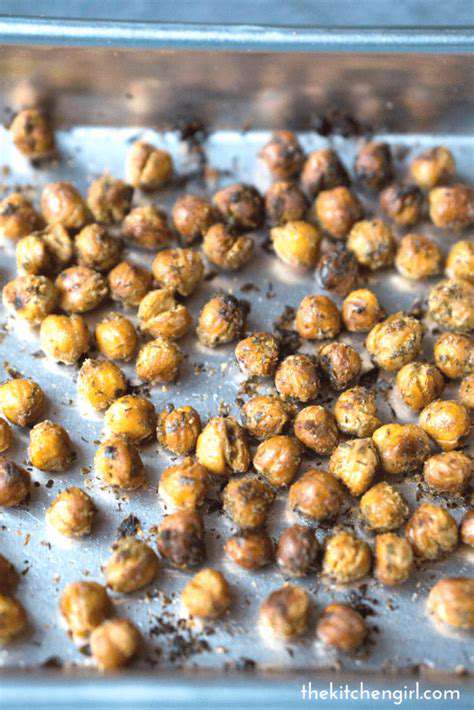
3.CrunchyOven-BakedChickpeas

Ingredient Selection and Preparation

When making crunchy oven-baked chickpeas, the choice of ingredients plays a crucial role in achieving the desired texture and flavor. The primary ingredient, chickpeas, should be of high quality. Look for dried chickpeas instead of canned, as they allow for better taste and control over the cooking process.

Soaking the chickpeas overnight is essential. This not only softens them but also helps in reducing cooking time. After soaking, rinse them thoroughly and allow them to dry. Consider patting them down with a towel for optimal crunchiness.

  • Use fresh spices like paprika and cumin for flavor.
  • The oil you choose, like olive or coconut, influences health benefits.
  • Experiment with sea salt, garlic powder, or nutritional yeast for different variations.

Cooking Process for Maximum Crunch

The cooking method directly impacts how crunchy your chickpeas will be. Preheating your oven to around 400°F (200°C) is essential for even cooking. Spreading the chickpeas in a single layer on a baking sheet is crucial. Crowding the pan can lead to steaming instead of roasting, resulting in a less than crispy texture.

Rotate the pan halfway through cooking to ensure that all chickpeas receive equal heat. This technique helps avoid soggy spots and yields a delightful crunch throughout. Depending on your oven, cooking time typically ranges from 25 to 35 minutes.

Health Benefits of Chickpeas

Chickpeas are not just tasty but also packed with nutrients. They are an excellent source of protein, containing about 15 grams per cooked cup, which can help promote feelings of satiety during weight loss. Additionally, they are high in dietary fiber, aiding in digestion and promoting gut health.

Research suggests that incorporating chickpeas into your diet may help lower cholesterol and blood sugar levels. This is particularly beneficial for those seeking to manage their weight or reduce the risk of metabolic disorders. The presence of essential vitamins and minerals, such as magnesium and folate, further enhances their health profile.

Creative Flavor Variations

While a basic recipe for oven-baked chickpeas can be delightful, getting creative with flavors can elevate the dish to new heights. Consider tossing the chickpeas in a mix of lemon juice, garlic, and fresh herbs like rosemary or thyme before baking for a refreshing twist.

Alternatively, if you enjoy a bit of heat, try adding cayenne pepper or chili powder. Experimenting with different spice blends, such as za'atar or curry powder, can also transform the taste and keep your snacking experience exciting. The versatility of chickpeas allows you to cater to different palates and preferences.

4. Loaded Sweet Potato Skins

1. Nutritional Benefits of Sweet Potatoes

Sweet potatoes are a nutritional powerhouse, packed with vitamins and minerals essential for a healthy diet. A medium-sized sweet potato contains approximately 4 grams of protein, over 400% of the daily recommended intake of vitamin A, and is rich in antioxidants. These nutrients contribute to improved vision, immune function, and skin health, making them an excellent choice for those focusing on weight management.

Additionally, sweet potatoes are high in dietary fiber, which promotes satiety and aids in digestion. Studies have shown that including fiber-rich foods in your diet can support weight loss by helping you feel fuller longer and reducing overall caloric intake. A single serving of loaded sweet potato skins can provide a satisfying meal without the excessive calories that typically accompany indulgent snacks.

2. Preparing Loaded Sweet Potato Skins: A Step-by-Step Guide

To create delicious loaded sweet potato skins, start by preheating your oven to 400°F (200°C). Begin by scrubbing the sweet potatoes thoroughly, then pierce them with a fork to allow steam to escape during baking. Place the potatoes on a baking sheet and cook for 45–60 minutes or until they're tender. Once baked, let them cool briefly, then slice them in half and scoop out a portion of the flesh, leaving a thin layer to keep the skins intact.

Next, mix the scooped sweet potato flesh with Greek yogurt, black beans, corn, and shredded low-fat cheese for a protein-packed filling. After combining the ingredients, fill each sweet potato half with the mixture and return them to the oven for an additional 10-15 minutes, until the cheese is bubbling and golden. This dish not only satisfies cravings but also provides essential nutrients and fiber, fitting perfectly into a weight-loss plan.

5. Baked Salmon with Asparagus and Quinoa

Health Benefits of Salmon

Salmon is not only a delicious fish but also a powerhouse of nutrients that support overall health. It is rich in omega-3 fatty acids, which have been shown to reduce inflammation and promote heart health. A regular intake of omega-3s can lead to lower blood pressure, improved brain function, and a reduced risk of chronic diseases.

Moreover, salmon is a fantastic source of high-quality protein, providing essential amino acids needed for muscle repair and growth. Studies indicate that incorporating fish into your diet can be beneficial for weight loss by promoting satiety, helping you feel full longer without excessive caloric intake.

The selenium content in salmon also plays a crucial role in maintaining a healthy metabolism and supports thyroid function. Additionally, salmon is packed with B vitamins, which are vital for energy production and neurotransmitter function, making it a well-rounded food choice for anyone aiming to lose weight healthily.

Preparing Asparagus and Quinoa

Asparagus is a fantastic vegetable that not only pairs beautifully with salmon but also provides numerous Health Benefits. In addition to being low in calories, asparagus contains high amounts of fiber, which aids digestion and contributes to a feeling of fullness. Its vitamins A, C, E, and K support skin health, immunity, and bone health, making it a valuable addition to a weight-loss diet.

Quinoa, on the other hand, is often labeled as a superfood due to its impressive nutrient profile. It is one of the few plant-based foods that is a complete protein, meaning it provides all nine essential amino acids. Quinoa is gluten-free and has a low glycemic index, making it a great energy source that doesn’t spike blood sugar levels. When preparing quinoa, it's best to rinse it thoroughly to remove its natural coating, which can impart a bitter taste.

When pairing asparagus with quinoa, consider lightly roasting or steaming the asparagus for optimal flavor and nutrient retention. Mixing cooked quinoa with roasted garlic and lemon juice brings out the vegetables' natural sweetness and enhances the dish's overall taste. Team up this healthy combination with salmon for a well-rounded meal perfect for weight management.

Cooking Tips for Oven-Baked Salmon

Cooking salmon in the oven is one of the healthiest and most convenient methods available. Preheating the oven to 400°F (200°C) allows for even cooking, ensuring that the salmon remains moist and flavorful. A general cooking time guideline is about 12-15 minutes, depending on the thickness of the fillet. It's ideal to cook salmon until it flakes easily with a fork and reaches an internal temperature of 145°F (63°C) for safety.

Enhancing the flavor of baked salmon can be accomplished with simple seasonings. Drizzling fish with olive oil and sprinkling with fresh herbs like dill or parsley adds freshness and depth without additional calories. For added zest, consider a squeeze of lemon juice or a sprinkle of chili flakes to complement the dish's profile.

To achieve a delightful texture, consider using parchment paper or foil to create a sealed environment for the salmon during cooking, which helps retain moisture and prevents drying out. Additionally, adding vegetables like slices of lemon or onion can infuse a subtle flavor and look appealing when serving, making the meal as pleasant to the eyes as it is to the palate.

Read more about Healthy Oven Baked Recipes for Weight Loss
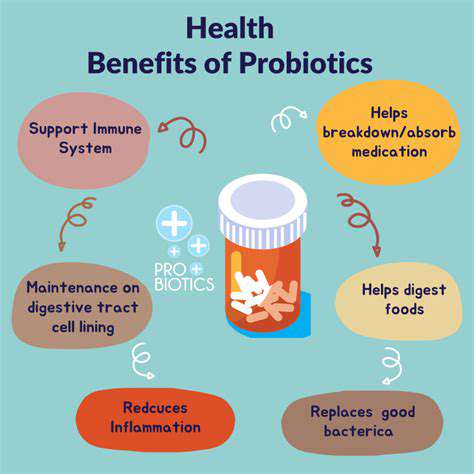
A Personalized ApproachAre you struggling with Irritable Bowel Syndrome (IBS) and seeking effective ways to manage its symptoms? Discover comprehensive dietary strategies and the role of probiotics and supplements in alleviating IBS discomfort. This personalized approach can help you regain control of your digestive health and improve your quality of life. Understanding IBS and Its ChallengesIBS is a common chronic condition characterized by symptoms such as abdominal pain, bloating, diarrhea, and constipation. Managing IBS requires a tailored approach that addresses individual triggers and nutritional needs. Proper dietary modifications, combined with the right supplements, can significantly reduce symptoms and enhance gut health. Dietary Strategies for IBS ReliefImplementing specific dietary changes is crucial for managing IBS. This includes identifying and avoiding trigger foods, incorporating low-FODMAP diets, and maintaining balanced nutrition. Personalized meal planning can help minimize flare-ups and improve digestion. The Role of Probiotics and SupplementsProbiotics play a vital role in restoring gut flora balance, which is often disrupted in individuals with IBS. Supplementing with targeted probiotics can reduce bloating, improve bowel regularity, and decrease abdominal discomfort. Additionally, other supplements such as fiber, digestive enzymes, and herbal remedies may support gut health and symptom relief. Personalized Approach for Optimal ResultsEvery person with IBS has unique triggers and responses to dietary changes. Consulting with healthcare professionals to develop a customized plan that includes the right combination of diet and supplements is essential. This personalized approach ensures better symptom management and promotes overall digestive wellness. Enhance Your Gut Health TodayLearn more about effective dietary strategies and the benefits of probiotics and supplements for IBS management. Take proactive steps toward improving your digestive health and living a more comfortable, symptom-free life.---Optimize your IBS management with expert guidance on personalized diets, probiotic supplementation, and holistic gut health strategies. Start your journey toward relief and better well-being today!
May 04, 2025
Guide to Understanding Probiotics and Prebiotics
Jun 29, 2025
Best Foods for Reducing Sugar Cravings Naturally
Jul 04, 2025
Discover Delicious and Healthy Mexican RecipesWelcome to a collection of mouthwatering Mexican recipes that are not only delicious but also packed with nutritional benefits. Whether you're looking to maintain a healthy lifestyle, explore new flavors, or simply enjoy comforting meals, our recipes have something for everyone. Below, you'll find a delightful variety of dishes, including burrito bowls, soups, tacos, stuffed peppers, and refreshing salads. 1. Black Bean and Quinoa Burrito BowlsKick off your culinary journey with our Black Bean and Quinoa Burrito Bowls. This wholesome dish features protein-packed quinoa and rich black beans, complemented by vibrant vegetables like bell peppers and corn. Perfect for meal prep, the burrito bowls are easy to customize. Add roasted sweet potatoes or spicy jalapeños to suit your taste! 2. Chicken Tortilla SoupWarm your soul with a bowl of our Chicken Tortilla Soup. Made with lean, boneless chicken breast and a medley of vegetables, this soup is as nourishing as it is flavorful. Rich in vitamins and antioxidants, it’s the perfect way to enjoy a budget-friendly meal while keeping your health in check. Garnish with fresh cilantro and avocado for added creaminess! 3. Grilled Fish Tacos with Cabbage SlawSavor the coastal flavors of our Grilled Fish Tacos. Using fresh, lean fish and corn tortillas, these tacos feature a crunchy cabbage slaw to balance the meal. The omega-3 fatty acids present in fish not only support heart health but can also assist in weight management. Top with lime juice for a bright finish! 4. Stuffed Bell Peppers with Turkey and Brown RiceOur Stuffed Bell Peppers present a hearty option filled with lean ground turkey and nutritious brown rice. Bell peppers offer an array of vitamins, while the turkey provides a great protein source. Customize your stuffing with black beans or quinoa for a vegetarian twist, making it a versatile dish for any dietary preference. 5. Avocado Salad with Lime VinaigretteFor a refreshing side, try our Avocado Salad with Lime Vinaigrette. Featuring creamy avocados and crisp bell peppers, this salad is low in calories yet high in flavor. The healthy fats from avocados will keep you satisfied, making it a great companion to any main dish. Enhance it further with grilled proteins or a kick of chili for added zest! ConclusionIntegrating these healthy Mexican recipes into your meal plan can lead to a more balanced diet while enjoying delightful flavor profiles. Whether you're preparing dinner for the family or meal prepping for a busy week ahead, these dishes are designed to nourish your body and tantalize your taste buds. Don't miss out on experiencing the joy of cooking and the benefits of healthy eating!---Explore these dishes today and transform your meals into vibrant, nutritious experiences!
Feb 27, 2026
Your Complete GuideFiber plays a crucial role in weight loss, and understanding how it works can significantly enhance your diet and overall health. In this article, we explore the different types of fiber, their benefits, how fiber reduces appetite, and practical tips for increasing your intake. Understanding Fiber TypesFiber is categorized into two types: soluble and insoluble. Soluble fiber dissolves in water and forms a gel-like substance, which slows digestion and promotes feelings of fullness. Foods like oats, apples, and beans are rich in soluble fiber. In contrast, insoluble fiber adds bulk to stools, aiding in quicker food passage through the digestive system. Sources include whole grains, nuts, and vegetables. A balanced intake of both types is essential for effective weight management and gut health. The Appetite Suppressant Power of FiberOne of the most significant benefits of fiber is its ability to modulate appetite. High-fiber foods expand in your stomach, signaling your brain that you're satisfied and helping you consume fewer calories. Moreover, fiber's slow digestion promotes stable blood sugar levels, preventing the unnecessary cravings that can derail your weight loss efforts. Best Sources of Fiber for Weight LossIncorporating a variety of fiber-rich foods into your diet can maximize health benefits. Here are some top choices:- Fruits: Apples, pears, and berries- Vegetables: Broccoli, carrots, and leafy greens- Whole Grains: Oats, quinoa, and brown rice- Legumes: Lentils, beans, and chickpeas- Nuts and Seeds: Almonds, chia seeds, and flaxseedsFor instance, just a cup of cooked lentils packs about 15.6 grams of fiber, making them an excellent choice for a weight loss diet. Fiber's Role in Gut HealthA high-fiber diet is vital for maintaining gut health, which is directly related to weight management. A healthy gut microbiome enhances nutrient absorption and has been linked to better weight regulation. Incorporating fermented fiber sources like yogurt can further benefit gut health by promoting a diverse microbiome. Tips for Increasing Fiber IntakeBoosting your fiber intake doesn’t have to be overwhelming. Here are some practical tips to help you along the way:1. Start Gradually: Introduce high-fiber foods slowly to prevent digestive discomfort. 2. Emphasize Whole Foods: Focus on fruits, vegetables, whole grains, and legumes to naturally increase fiber in your diet.3. Make Smart Snack Choices: Opt for snacks that are high in fiber, such as fruits, vegetables, and nuts, to help control appetite throughout the day.4. Read Labels Carefully: Look for products with at least 3 grams of fiber per serving and avoid those high in sugar. ConclusionIn conclusion, a fiber-rich diet can significantly enhance your weight loss efforts while offering numerous health benefits. By understanding the types of fiber, their roles, and incorporating the best sources into your diet, you can improve digestion, maintain a healthy weight, and support overall wellness. Start integrating more fiber into your meals today for a healthier tomorrow.
Mar 09, 2026
- Meal prep ingredients where possible for quick cooking.- Introduce variations to keep meals interesting and suit diverse dietary needs.- Enjoy exploring new flavors and cooking techniques in your kitchen!
Mar 15, 2026
The Versatile ChoiceAvocado oil is a nutritional powerhouse, rich in monounsaturated fats, particularly oleic acid, which promotes heart health and improves cholesterol levels. Boasting a high smoke point of about 520°F (271°C), it's perfect for various cooking methods such as sautéing, grilling, and baking. Avocado oil enhances flavor profiles in dishes—from salad dressings to marinades—while aiding weight management by promoting satiety and nutrient absorption. Olive Oil: A Mediterranean StapleOlive oil, known for its health benefits, is abundant in monounsaturated fats and antioxidants. Incorporate high-quality extra virgin olive oil into your daily meals to benefit from its anti-inflammatory properties, which support cardiovascular health. Use it generously in dressings, marinades, or even for sautéing to elevate flavor and nutrition. Coconut Oil: Adding a Tropical TwistCoconut oil features a unique blend of medium-chain triglycerides (MCTs) that enhance metabolism and provide quick energy. Ideal for those following keto or paleo diets, it serves as a versatile cooking fat, perfect for baking, sautéing, or frying. The subtle coconut flavor makes it a delightful addition to smoothies and tropical dishes. However, moderation is key due to its high saturated fat content. Nut Butters: Creamy and SatisfyingNut butters made from almonds, peanuts, and cashews are not only delicious but also nutrient-dense. Rich in healthy fats, protein, and vitamins, they can help lower bad cholesterol and promote satiety. The key is to choose natural nut butters without additives. Spread them on toast, blend into smoothies, or use as a dip for fruits to effortlessly incorporate these nutrient-rich foods into your daily meals. Omega-3 Fatty Acids: Vital for HealthOmega-3 fatty acids, found in fatty fish, flaxseeds, and chia seeds, play an essential role in overall health. They reduce the risk of heart disease and promote improved brain function. Including omega-3-rich foods in your diet can be as simple as enjoying salmon a couple of times a week or adding flaxseeds or chia seeds to your smoothie. ConclusionIncorporating healthy cooking oils and nut butters into your diet can be both enjoyable and beneficial. From the versatility of avocado oil to the heart-healthy properties of olive oil and the satisfying indulgence of nut butters, these ingredients can ramp up flavor while supporting your health. Remember to balance your intake and store these oils properly to maximize their benefits.Embrace these healthy fats today for a more nutritious and flavorful cooking experience!
Mar 16, 2026
carbohydrates, proteins, and fats. Carbohydrates should dominate your intake, providing the quick energy needed for endurance activities. Aim for 7-10 grams per kilogram of body weight in the days leading up to your run. Proteins play a crucial role in muscle repair, with a recommended intake of 1.2 to 1.4 grams per kilogram for those engaging in high-volume running. Healthy fats contribute to long-term energy and should make up 20-35% of your daily calories. Hydration GuidelinesHydration is vital for performance and recovery. Drink 17-20 ounces of water a few hours before running and stay consistently hydrated throughout your run—aim for 7-10 ounces every 10-20 minutes, using electrolyte drinks for runs longer than an hour. This helps combat fatigue and sustains stamina. Foods to Fuel Your RunsPre- and post-run nutrition can't be overlooked. Focus on complex carbohydrates such as whole grains, fruits, and vegetables for consistent energy. A meal rich in carbohydrates 3-4 hours before your run can make all the difference. After exercising, consume a recovery meal with a 3:1 ratio of carbohydrates to protein to promote muscle recovery effectively. The Role of ElectrolytesElectrolytes like sodium, potassium, calcium, and magnesium are crucial for maintaining fluid balance and preventing cramps during intense running. Incorporate foods or sports drinks that replenish these essential nutrients to maintain performance levels. Pacing Yourself WiselyUnderstanding energy zones can significantly enhance your pacing strategy. Most runners should start in Zone 1 to warm up gradually. Creating a strategic pace plan that incorporates negative splits helps manage energy efficiently. Mental Strategies for SuccessVisualization techniques and positive self-talk can enhance focus and resilience when the going gets tough. Practicing mindfulness and breathing techniques during your runs helps maintain clarity and a relaxed posture. Incorporating Interval TrainingImplementing interval training can improve both speed and endurance by alternating high-intensity bursts with resting periods. Craft a personalized plan based on your goals for speed or stamina, and track your progress to make necessary adjustments. Recovery StrategiesPost-run recovery is essential in preventing injuries and ensuring long-term performance. Embrace active recovery techniques like low-intensity activities and foam rolling, and maintain a balanced diet rich in carbohydrates and protein for optimal muscle repair. ConclusionEvery runner's nutritional and recovery needs vary. Pay close attention to what works best for you—consider consulting with a registered dietitian specializing in sports nutrition to tailor a personalized dietary plan. Follow these guidelines to maximize your running performance, ensuring you're prepared for every challenge on the road ahead.
Mar 17, 2026
A Guide to Healthy EatingExplore the world of nourishing grain bowls, hearty soups, and mindful snacking to enhance your lunchtime experience while promoting a healthier lifestyle. Grain bowls, packed with wholesome ingredients like quinoa and farro, serve as a versatile base for proteins, healthy fats, and colorful vegetables. These nutrient-dense meals are not only satisfying but also provide essential vitamins and minerals that fuel your body throughout the day. The Power of Grain BowlsA well-assembled grain bowl combines whole grains with various toppings, delivering high fiber content that supports digestion and keeps you feeling full longer. Incorporate elements such as cooked legumes and grilled chicken alongside fresh veggies, like leafy greens and roasted bell peppers, for a mix of flavors and nutrients. Season your bowl with zesty dressings or herbs to elevate the dining experience.Research indicates that choosing whole grains may lower the risk of chronic diseases, aiding in weight management and enhancing focus and productivity. Batch cooking grains and proteins over the weekend can simplify weekday meal prep, making it easy to enjoy nutritious lunches in minutes. Hearty & Wholesome SoupsHearty soups are another excellent choice, offering rich flavors and satisfying textures while being low in calories. Packed with vegetables, legumes, and lean proteins, soups can help control appetite and provide necessary hydration. A classic minestrone or tomato and white bean soup, infused with aromatic spices, can be tailored to your taste preferences.By preparing large batches, you can freeze portions for convenient access on busy days. Soups not only deliver sustenance but enhance digestive health, ensuring you stay nourished and energized. Creative & Nutrient-Dense SnacksMindful snacking plays a crucial role in maintaining energy throughout the day. Focus on nutrient-dense options that combine protein, healthy fats, and fiber. Items like Greek yogurt, almonds, or hummus with veggie sticks effectively curb cravings and provide sustained energy without sugar crashes.Being strategic with portion sizes and timing can further improve your snacking habits. Use small containers for pre-portioned snacks and consume them every 3-4 hours to maintain stable blood sugar levels. Additionally, including hydrating options like cucumber slices or watermelon can help improve concentration and cognitive performance during work hours.Embrace mindful eating by tuning into your body’s hunger signals and engaging with your meals away from screens. This approach not only enhances enjoyment but also helps prevent overindulgence. ConclusionTransform your lunch routine with nourishing grain bowls, hearty soups, and mindful snacks. By incorporating a variety of ingredients and prioritizing nutrition, you can create satisfying meals that support overall health and well-being. Experiment with flavors and textures to keep your meals exciting and empowering. Making these dietary changes will pave the way for a balanced lifestyle and long-term health benefits.
Mar 22, 2026
Achieve your weight loss goals with the perfect running plan tailored to your fitness level and lifestyle. This comprehensive guide walks you through assessing your current fitness, setting realistic SMART goals, and selecting the ideal running plan—whether you're a beginner or an experienced runner. Learn how to incorporate interval training to boost calorie burn, increase cardiovascular fitness, and break through weight loss plateaus efficiently.Discover the science behind heart rate zones and how using them can optimize your workouts for maximum fat burning. Understand which intensity levels best support endurance, speed, and metabolism enhancement, enabling you to fine-tune your training according to personal data from wearables or fitness trackers.Nutrition plays a vital role in your weight loss journey. Gain insights into balancing macronutrients—carbohydrates, proteins, and fats—along with managing caloric deficits for sustainable fat loss. Learn why hydration is essential for performance and appetite control, and explore the impact of meal timing around workouts to improve energy and recovery.Stay motivated and consistent by setting measurable goals, tracking progress using technology or journals, and engaging with social support systems or running communities. Variety in training methods, including alternating routes and mixing interval and steady-state runs, keeps your routine fresh and effective.Whether you’re aiming to lose weight, improve endurance, or boost your overall fitness, this guide provides the tools and knowledge to develop a balanced, personalized running and nutrition plan. Empower your weight loss journey with scientifically backed strategies, practical tips, and motivational techniques that ensure long-term success.Start transforming your health today with expert advice on running programs, interval training, heart rate management, nutrition, and maintaining motivation for lasting weight loss results.
Mar 24, 2026
Switch out turkey for grilled chicken or tofu, and add seasonal veggies for extra nutrients. 2. Quinoa and Black Bean SandwichQuinoa and black beans create a powerhouse sandwich loaded with complete proteins, fiber, and essential vitamins. Start with whole-grain bread, layer with cooked quinoa and black beans, and add your favorite fresh veggies. Quick to assemble, it's the perfect option for meal prepping!Flavor Tip: Spice things up with cumin or fresh herbs to elevate the taste. 3. Hummus and Veggie SandwichThis vibrant sandwich pairs creamy chickpea-based hummus with an array of fresh vegetables on whole grain bread, maximizing fiber and nutrients. With its versatility, you can customize by adding spices or protein to enhance flavor while keeping things light.Meal Prep Tip: Prepare hummus and sliced veggies in advance for a quick grab-and-go option during busy weekdays. 4. Grilled Chicken and Pesto SandwichCombining lean grilled chicken, whole-grain bread, and flavorful pesto, this sandwich is rich in protein and healthy fats. Marinate chicken for added flavor and opt for greens like arugula for a nutritional boost. Alternative: Try turkey or tofu, and get creative with greens to keep your meals exciting! 5. Egg Salad with Greek YogurtDitch the mayonnaise and use Greek yogurt for a healthier twist on classic egg salad. Filled with protein and probiotics, this salad can be served in a lettuce wrap or with whole grain crackers. Storage Tip: Keep ingredients separate until ready to combine for the freshest taste and texture. ConclusionThese healthy sandwich ideas not only support weight loss but also satisfy cravings, making lunchtime an enjoyable and nutritious experience. With simple ingredients and a focus on freshness, you can savor delicious meals that fuel your health goals. Meal prep and customization options allow for flexibility, ensuring you can enjoy a variety of flavors throughout the week. Start crafting your ideal lunch today!
Mar 25, 2026
Herbs, Spices, and FruitsElevate your breakfast bowls by using fresh herbs and spices. Ingredients like cinnamon or fresh basil not only enhance flavor but also deliver additional health benefits. Similarly, fruits such as berries provide natural sweetness and a wealth of antioxidants, making them perfect for breakfast dishes. Creating Balanced and Nutrient-Rich BreakfastsAim for a balanced breakfast that includes proteins, healthy fats, and a variety of fruits and vegetables. Exploring different combinations will help you discover meals that cater to both your palate and dietary needs. Nut and Seed Options for a Wholesome MorningNuts like walnuts, almonds, and pistachios offer unique health benefits and can be easily integrated into your breakfast creations. Seeds such as chia and flax lend essential omega-3s and fiber. Mixing these into your meals can enhance both flavor and nutrient density. Refreshing Dairy-Free AlternativesDairy-free options have gained popularity, making it easier to find plant-based milk alternatives like almond, coconut, and oat milk. These alternatives are often fortified with vitamins and can be a delicious substitute for traditional dairy. Embracing more dairy-free breakfasts can improve digestion for those with lactose intolerance. ConclusionWhip up creative and hearty breakfasts that not only satisfy your hunger but also provide necessary nutrients to fuel your day. From tasty egg dishes to wholesome, grain-free bowls, there are countless ways to enjoy a healthy breakfast. Experiment with flavors and ingredients to find your perfect morning meal!
Mar 28, 2026
View Publications>>

Hot Recommendations