Identifying Your Specific Lower Back Pain Trigger
Contents
Muscle strain or sprains can trigger significant lower back pain.
Degenerative disc disease causes pain as discs lose hydration and elasticity.
Poor posture increases spinal stress and can lead to back pain.
Sports injuries often result in acute lower back pain.
Osteoarthritis and herniated discs can also trigger lower back pain.
Emotional stress can manifest as physical pain, including lower back pain.
Anxiety and depression may worsen lower back pain conditions.
Mindfulness and therapy can help manage emotional stress and pain.
Good posture and physical activity support overall back health.
Nutritional choices can influence inflammation and back pain severity.
Chronic pain conditions often link mental health and physical symptoms.
Quality sleep is vital for back health and recovery.
Herniated discs and osteoporosis are common medical conditions for back pain.
Weight management is crucial to reduce chronic back pain risks.
Physical therapy and lifestyle changes are essential for long-term pain management.
Common Physical Triggers of Lower Back Pain
Muscle Strain and Sprains
One of the most common physical triggers of Lower back pain is muscle strain or sprain. This occurs when muscles or ligaments are stretched beyond their limits, often during activities that involve lifting heavy objects incorrectly or sudden awkward movements. According to the American Academy of Orthopaedic Surgeons, these injuries can happen to anyone, regardless of age or fitness level, resulting in significant discomfort and restricted mobility.
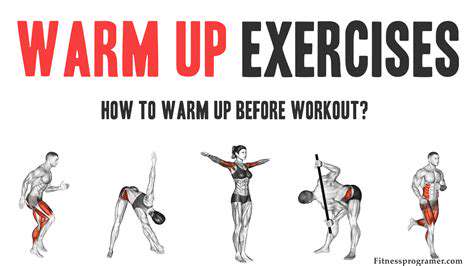
Symptoms typically manifest as localized pain, stiffness, and muscle spasms. In some cases, individuals might experience radiating pain down the legs, indicating potential nerve involvement. To mitigate these injuries, it’s crucial to employ proper lifting techniques, warm up before engaging in physical activities, and maintain a routine of stretching and strengthening exercises to enhance muscle resilience.
Degenerative Disc Disease
Degenerative Disc Disease is another key factor that can instigate lower back pain. As individuals age, the intervertebral discs lose hydration and elasticity, leading to decreased cushion between vertebrae. This degeneration can precipitate pain as bones grind together and spinal nerves may become compressed. Research published in the Journal of Spinal Disorders & Techniques highlights that nearly 40% of adults over the age of 40 exhibit signs of disc degeneration, especially if they lead sedentary lifestyles.
Maintaining an active lifestyle can help delay the onset of this condition. Engaging in low-impact exercises, such as swimming or cycling, can stimulate spinal health and promote mobility while alleviating pressure on the discs. Individuals should also consider consulting with a healthcare professional to develop personalized strategies for long-term spinal health.
Posture-Related Issues
Poor posture is often overlooked as a trigger for lower back pain, yet it plays a significant role in the overall health of your spine. Chronic slouching or maintaining unnatural positions while sitting or standing can lead to imbalances in spinal alignment. According to a study from the University of California, Berkeley, prolonged periods of poor posture can increase the load on spinal structures by more than 50%, causing discomfort and long-term issues.
To counteract these negative effects, individuals should strive to practice good posture—keeping the spine in a neutral position, engaging core muscles, and ensuring ergonomic work environments. Incorporating regular breaks to stretch and move throughout the day can also help alleviate tension and promote better alignment.
Employing simple techniques, such as adjusting chair height and using lumbar supports, can significantly benefit those who work long hours in front of computer screens.
Injuries from Sports or Physical Activities
A multitude of sports and physical activities can cause acute injuries leading to sudden lower back pain. High-impact sports, such as football or basketball, present a greater risk due to the intense physical demands placed on the body. An analysis in the Sports Medicine Journal indicated that 25% of sports-related injuries are attributed to back pain, emphasizing the need for athletes to prioritize safety and conditioning.
Before engaging in any sport, athletes should ensure they are adequately warmed up, and those participating in high-stakes conditions must undergo proper training and conditioning to strengthen their core and back muscles. Post-injury, it's vital to rest and rehabilitate correctly to prevent chronic pain and further complications.
Osteoarthritis and Other Conditions
Osteoarthritis, commonly referred to as wear-and-tear arthritis, can contribute to lower back pain due to the gradual breakdown of cartilage between joints. The American College of Rheumatology states that as this cartilage deteriorates, it can lead to stiffness and inflammation in the spine. This condition often becomes more prevalent as individuals age, impacting mobility and overall quality of life.
In addition to osteoarthritis, other conditions such as scoliosis or Herniated discs may also trigger lower back pain. It’s crucial for individuals experiencing persistent symptoms to seek professional evaluation and diagnosis for tailored treatment options which might involve physical therapy, pain management strategies, or surgical intervention in severe cases.
Identifying Emotional and Mental Stress Triggers
Understanding the Nature of Stress
Stress, both emotional and mental, often manifests in our physical well-being, significantly impacting conditions like lower back pain. Research indicates that psychological stress can lead to increased muscle tension and discomfort. A 2019 study published in the journal Pain Medicine highlighted that chronic stress could exacerbate musculoskeletal conditions, confirming the link between emotional strain and bodily pain.
Recognizing the nature of your stress is crucial. Emotional Stress can stem from interpersonal relationships, work-related pressures, or significant life changes such as moving or losing a loved one. Each individual may respond differently, making self-awareness a vital first step in identifying your triggers.
Common Emotional Triggers for Lower Back Pain
Several emotional states are notorious for contributing to lower back discomfort. Anxiety, for example, can lead to altered posture and physical tension, which might aggravate pre-existing back issues. Conversely, depression often results in decreased activity levels, further weakening the muscles that support the lower back. Identifying these emotional triggers through journaling or therapy can provide insight into patterns and help devise coping strategies.
Connecting Mental Health with Physical Symptoms
A substantial body of research supports the notion that mental health profoundly influences physical symptoms. According to a study done by the American Psychological Association, individuals suffering from anxiety disorders report a significantly higher incidence of Chronic Pain Conditions, including lower back pain. This connection indicates that treating mental health may alleviate physical symptoms, suggesting a holistic approach to management.
Practices such as mindfulness meditation and cognitive behavioral therapy have been shown to effectively reduce both stress and associated pain. Engaging in these practices could help address the root causes of your emotional strain, ultimately benefiting your physical health.
Recognizing Your Personal Triggers
Each person's journey in identifying emotional triggers is unique. Keeping a daily log of your feelings and physical sensations can help you make connections between stress and pain events. For instance, notice if rises in stress levels coincide with episodes of back pain. Gaining awareness allows you to manage your reactions better and develop proactive strategies to mitigate stress. Family and close friends can also provide insight into behaviors or stressors you may overlook.
This self-reflective practice not only aids in understanding your triggers but also empowers you to take charge of your health. Connecting with a therapist can provide guidance in this process, helping you to explore specific events that correlate with your discomfort.
Practical Strategies to Mitigate Stress
Developing practical strategies to alleviate emotional stress can have a profound impact on your back pain. Regular exercise, particularly activities like yoga or tai chi, helps promote relaxation and improve flexibility and strength, which can help prevent lower back pain exacerbated by emotional stress. Ensuring a balanced lifestyle with adequate time for hobbies, socializing, and self-care is essential as well.
Incorporating relaxation techniques such as deep breathing exercises or progressive muscle relaxation can significantly reduce stress levels. As you reduce emotional strain, the physical symptoms are likely to follow suit. Implementing these changes gradually allows for sustainable improvements. Setting realistic goals, such as dedicating just 10 minutes a day to mindful breathing, can yield substantial benefits over time.
Assessing Lifestyle Choices and Their Impact on Back Health

Understanding the Role of Posture
Posture plays a significant role in overall back health, particularly in the lower back region. Consistently slouching or leaning forward can lead to muscle imbalances and increased stress on the lumbar spine. Awareness and adjustment of posture can alleviate symptoms and prevent future pain.
Research from the National Institute of Occupational Safety and Health indicates that maintaining a neutral spine while sitting, standing, or moving can reduce the risk of developing Chronic back pain. Regularly practicing good posture reinforces a strong foundation for back health.
- Posture impacts muscle balance and spinal alignment.
- Neutral spine positions reduce lower back stress.
- Postural awareness can prevent chronic pain development.
The Impact of Physical Activity
Engaging in Regular physical activity is crucial for maintaining back health. Exercise strengthens the muscles that support the spine, improves flexibility, and enhances overall function. A sedentary lifestyle is often a precursor to back pain, making movement essential. Incorporating stretching or strength training routines can significantly benefit back comfort.
Research published in the journal Spine highlights that individuals who engage in consistent physical activity report lower rates of back pain. Activities like walking, swimming, or yoga can keep the muscles supple and mitigate discomfort.
Identifying Ergonomic Risks at Work
Workplace ergonomics is an essential factor influencing lower back health. Poorly designed workstations can lead to awkward positions and unnecessary strain on the back. Organizations must prioritize ergonomic assessments to identify potential risks that could lead to pain. Employees should be encouraged to take regular breaks and switch tasks to mitigate strain.
Companies implementing ergonomic principles, like adjustable chairs and desks, often see a reduction in reported musculoskeletal disorders. Additionally, training staff on proper lifting techniques can significantly reduce the likelihood of injury.
The Relevance of Nutrition
Nutrition significantly influences the body’s ability to maintain a healthy spine. Diets lacking in essential nutrients can lead to inflammation and muscle weakness, potentially exacerbating back pain. Incorporating anti-inflammatory foods, such as fatty fish, fruits, and vegetables, can aid in managing both inflammation and pain.
A study published in the American Journal of Clinical Nutrition discovered a strong correlation between diet and musculoskeletal pain, indicating that proper nutrition may play a role in prevention and recovery.
Psychological Factors and Their Effects
Understanding the connection between mental health and back pain is crucial. Stress and anxiety can lead to tension in the back muscles, increasing the perception of pain. Finding effective coping strategies, such as mindfulness or cognitive-behavioral therapy, can reduce pain levels and improve quality of life.
Research indicates that chronic pain is often a multifaceted condition where psychological factors play an essential role. For individuals experiencing lower back pain, addressing mental health alongside physical treatment can lead to more comprehensive recovery strategies.
Assessing Sleep Quality and Its Influence
Quality sleep is vital for recovery and overall back health. Poor sleep positions can lead to discomfort and exacerbate existing pain. Utilizing appropriate pillows and mattresses can help maintain spinal alignment during sleep, resulting in better rest and recovery. A good night’s sleep allows the body to heal and rejuvenate, directly impacting back health.
According to the Sleep Foundation, individuals suffering from back pain often report a decrease in sleep quality, creating a cycle where pain leads to poor rest and poor rest leads to increased pain. Evaluating and improving sleep habits can, therefore, be a substantial part of managing lower back pain.
Medical Conditions That May Trigger Lower Back Pain
Understanding Common Medical Conditions Linked to Lower Back Pain
Lower back pain can stem from a variety of medical conditions. One of the most prevalent issues is herniated discs, which occur when the soft cushion between spinal vertebrae bulges out. This condition can compress nearby nerves, leading to significant discomfort and mobility issues. Research suggests that around 5% of adults will experience herniated discs at some point in their lives, making it a common concern.
Another condition often associated with lower back pain is osteoporosis. This disease causes bones to become weak and brittle, increasing the risk of fractures. In the spine, osteoporosis can lead to vertebral compression fractures that result in chronic pain. According to the National Osteoporosis Foundation, approximately 54 million Americans are at risk for osteoporosis, highlighting the need for awareness and preventative measures.
Risk Factors and Diagnostic Approaches
Several risk factors can exacerbate or precipitate lower back pain. Obesity, for example, increases the load on the lumbar spine. A study published in the Journal of Bone and Joint Surgery highlighted that individuals with a BMI of 30 or higher are 1.5 times more likely to experience chronic lower back pain compared to those with a healthy BMI. This correlation suggests that maintaining a healthy weight is crucial for spinal health.
Diagnosing the specific cause of lower back pain typically involves a thorough medical history and physical examination. Healthcare providers may also utilize imaging tests, such as X-rays or MRIs, to visualize the underlying structures. This allows for better-targeted treatment strategies tailored to the individual's condition.
Incorporating lifestyle modifications, such as regular exercise and proper ergonomic practices, can enhance treatment outcomes. Engaging in physical activities that strengthen the core muscles is particularly beneficial, as a strong core provides essential support for the lower back.
Treatment Options and Long-term Management
Treatment for lower back pain varies depending on its cause; however, some common approaches include physical therapy, medications, and lifestyle interventions. Physical therapy is often the first line of treatment, as it focuses on strengthening the muscles that support the spine. A systematic review from the Physical Therapy journal reported that patients who received physical therapy had better long-term outcomes than those who did not.
Medications, such as nonsteroidal anti-inflammatory drugs (NSAIDs), offer relief by reducing inflammation and pain. In some cases, physicians may recommend corticosteroid injections for more severe pain, which can provide temporary relief. However, these should be used cautiously and sparingly due to potential side effects.
Long-term management of lower back pain is essential for those living with chronic issues. Engaging in regular exercise, maintaining a healthy weight, and practicing good posture can prevent the recurrence of pain. Additionally, implementing stress reduction techniques can positively impact overall quality of life and lessen the perception of pain. Monitoring your body's response to activities and adjusting accordingly will further enhance your ability to manage this complex condition effectively.
Steps to Identify Your Specific Pain Triggers

Understanding Pain Triggers
Identifying the specific triggers of lower back pain is crucial for Effective Management. It's important to begin by recognizing that triggers can be varied and complex. One way to classify these triggers is by categorizing them as physical, emotional, or lifestyle-related. This classification helps in narrowing down potential causes and directing attention to appropriate interventions.
Research shows that almost 80% of adults experience lower back pain at some point in their lives, with many failing to identify their unique triggers. Keeping a detailed log of activities, stress levels, and physical sensations can significantly help in recognizing patterns.
Common Physical Triggers
- Repetitive heavy lifting
- Poor posture during prolonged sitting
- Lack of physical activity
Physical triggers often stem from daily activities, including improper ergonomics at work or engaging in sports without proper warm-up. For instance, sitting slouched for extended periods can lead to strain on the lower back muscles. Moreover, activities such as heavy lifting without the right technique can exacerbate existing issues, leading to chronic pain conditions.
This highlights the need for ergonomic assessments in workplace settings. Integrating stretching or strengthening exercises into your routine can also make a substantial difference, as physical therapy literature emphasizes the importance of core stability in pain prevention.
Tracking Emotional and Lifestyle Influences
It's also vital to consider emotional and lifestyle factors that contribute to lower back pain. Stress can lead to muscle tension, causing discomfort. Techniques such as mindfulness and yoga can be beneficial in managing stress and reducing pain. When individuals actively engage in practices that promote relaxation, they often notice a decrease in pain episodes.
In particular, keeping a diary that records emotional states alongside pain can reveal interesting correlations. This holistic approach may unveil insights that purely physical assessments might overlook. Consulting with a mental health professional can complement physical treatments, leading to better outcomes for those suffering from chronic pain.
Read more about Identifying Your Specific Lower Back Pain Trigger








Hot Recommendations
-
*Gratitude and Recovery: Healing Faster with a Positive Mind
-
*The Best Core Exercises for Chronic Back Pain
-
*Healthy Meal Swaps for Common Takeout Cravings
-
*The Link Between Gratitude and Career Longevity
-
*Stretches to Relieve Back Pain After Long Drives
-
*Healthy Snacks for Road Trips That Support Weight Loss
-
*Practicing Gratitude During Your Morning Commute
-
*Using Gratitude to Overcome Setbacks in Health
-
*Cooking for Heart Health: Low Fat and Low Sodium
-
*Gratitude and Immune Function: What You Need to Know